
TL;DR

Get garden gear delivered free with Prime
- Fast, free delivery on millions of items
- Prime Video, Amazon Music and more included
- Member-only deals all year
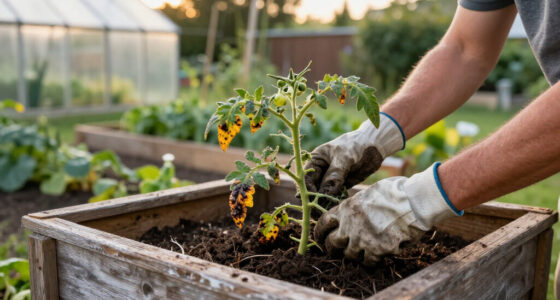
A Gardening Know How report describes seven household items that can help protect plants from a light, short-lived frost: cardboard boxes, cotton bedding, milk jugs, bubble wrap, newspaper, autumn leaves and cardboard tubes. The methods have limits: covers usually need to come off after temperatures rise, and plastic should not touch foliage.
Gardening Know How has outlined seven household items gardeners can reuse to protect plants during a light, short-lived fall frost, including cardboard boxes, old sheets, milk jugs and newspaper. The advice offers low-cost options for tender crops and container plants, but the report cautions that these materials are not a substitute for proper fall garden cleanup or protection during a prolonged freeze.
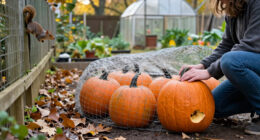
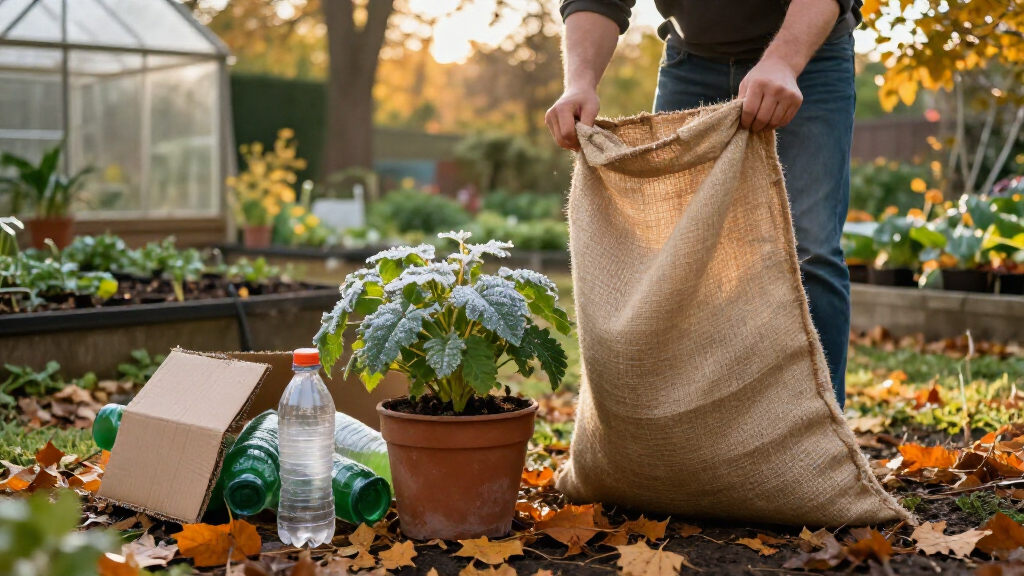
The suggested materials serve different purposes. Cardboard boxes and cotton sheets can cover individual plants or a section of garden bed overnight. The report recommends setting boxes over plants at dusk, securing them against wind and removing them in the morning because cardboard blocks light and can soften when damp. Learn more about protecting plants from frost with floating row covers. Sheets should be held up with stakes or cages so their weight does not press on tender stems.
A rinsed plastic milk jug with its bottom removed can act as a small cover for a seedling. The report advises pushing the open edge into the soil and removing the cap on sunny days to release heat. Bubble wrap belongs around the outside of pots, where it can insulate roots without touching the plant. Newspaper can cover low-growing plants in several layers, but should be removed and dried after a frost because wet paper loses much of its insulating value.
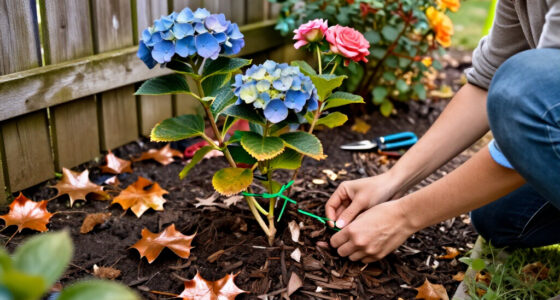
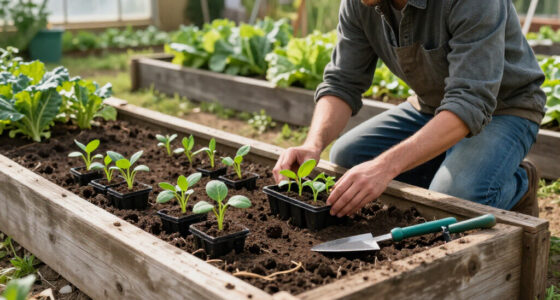
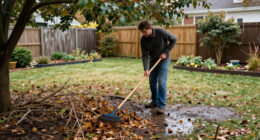
The remaining suggestions address different risks. A few inches of shredded autumn leaves around a perennial can insulate its crown and roots after the soil cools, but leaves do not protect foliage and should not be piled against stems. For more ideas, see free materials from fall yard cleanup. A toilet-paper or paper-towel tube can form a collar around a young transplant, helping guard its stem from cutworms and cold wind; the report says tubes alone provide little frost protection.
Low-Cost Covers, Limited Protection
For gardeners facing an unexpected overnight frost, reusing household materials may help protect tender vegetables, seedlings and potted plants without a trip to buy supplies. A cover can preserve warmth around a plant for a brief cold spell and may help extend a harvest when an early frost is followed by milder weather, as the report describes.
The distinction between a light frost and a sustained freeze matters. Household covers may help when temperatures dip briefly, but the source says they cannot carry plants through a freeze lasting several days. Their usefulness also depends on placement and timing: a cover that touches foliage, stays on in warming daylight or becomes waterlogged may not provide the intended protection.
Popular right now

Vitamix 5200 Professional-Grade Blender, 64 oz. Container, Black

Bose QuietComfort True Wireless Earbuds with Active Noise Cancellation, Black

Roborock F25 BX Cordless Wet Dry Vacuum Mop
As an affiliate, we earn on qualifying purchases.
How Overnight Covers Hold Warmth
The report explains that on a clear, calm night, soil releases heat stored during the day, and some of that warmth escapes upward. A loosely placed cover with its edges reaching the ground can hold some warmth around the plant; leaving air space around stems helps keep the covering from resting on foliage. Raised supports such as stakes or cages can hold fabric above a bed.
Morning removal is part of the method, not an optional step. Once air temperatures rise above freezing, a cover can trap heat and moisture around plants. The report identifies plastic touching leaves as a particular risk, because it can transfer cold directly to them. Plastic should be kept on a frame or used over a fabric layer, rather than laid on foliage.
“They’ll carry plants through a light frost, the kind that whitens the lawn at dawn and is gone by mid-morning, but not a freeze that sits in for days.”
— Gardening Know How
Protection Depends on Local Conditions
The source does not give a temperature threshold for when these coverings stop being effective, nor does it quantify how much warmth each item retains. Results may vary with the duration and severity of the frost, wind, moisture and the plant being covered. The report also notes that air near ground level can be a few degrees colder than readings elsewhere on still nights, so a general forecast may not reflect conditions at a particular garden.
These are practical recommendations in a gardening article, not a guarantee that plants will survive a given frost. The source does not provide comparative tests of the seven materials or specify which plants need protection at particular temperatures.
Check Forecasts and Remove Covers
When a frost advisory is issued, gardeners can select a dry, suitable covering and put it in place before temperatures fall. Check that it is secured against wind, does not press on leaves and reaches the ground when covering a plant. For potted plants, the report suggests insulating the container and grouping pots in a sheltered spot.
Check conditions again in the morning. Remove boxes, sheets and newspaper once temperatures are above freezing, and let damp materials dry before storing them. Open milk-jug caps on sunny days, and use leaves only after the soil has cooled. For a forecast calling for a prolonged freeze, the report’s household options may not be enough; the source does not specify a guaranteed alternative protection level.
Key Questions
Which household items does the report recommend saving?
It lists cardboard boxes, old bed sheets and pillowcases, plastic milk jugs, bubble wrap, newspaper, autumn leaves, and toilet-paper or paper-towel tubes.
Can these materials protect plants through a hard freeze?
The report says they can help during a light frost, but not a freeze that lasts for days. It does not provide a precise temperature cutoff.
Should plastic be placed directly over leaves?
No. The report warns that plastic touching foliage can transfer cold to the leaves. Keep it on a frame or over a fabric layer; bubble wrap is suggested around pot exteriors.
When should overnight covers come off?
Remove covers such as boxes, sheets and newspaper in the morning after air temperatures rise above freezing. This helps prevent trapped heat and moisture around plants.
Do cardboard tubes protect seedlings from frost?
They offer limited protection from cold wind and can guard stems against cutworms, but the report says tubes provide little frost protection on their own. It suggests pairing them with a milk jug or newspaper on cold nights.
Source: gardeningknowhow.com