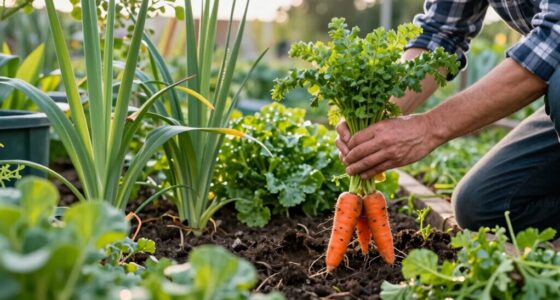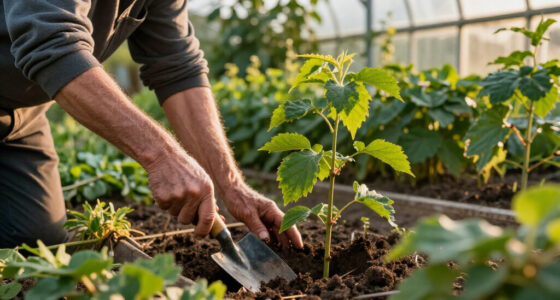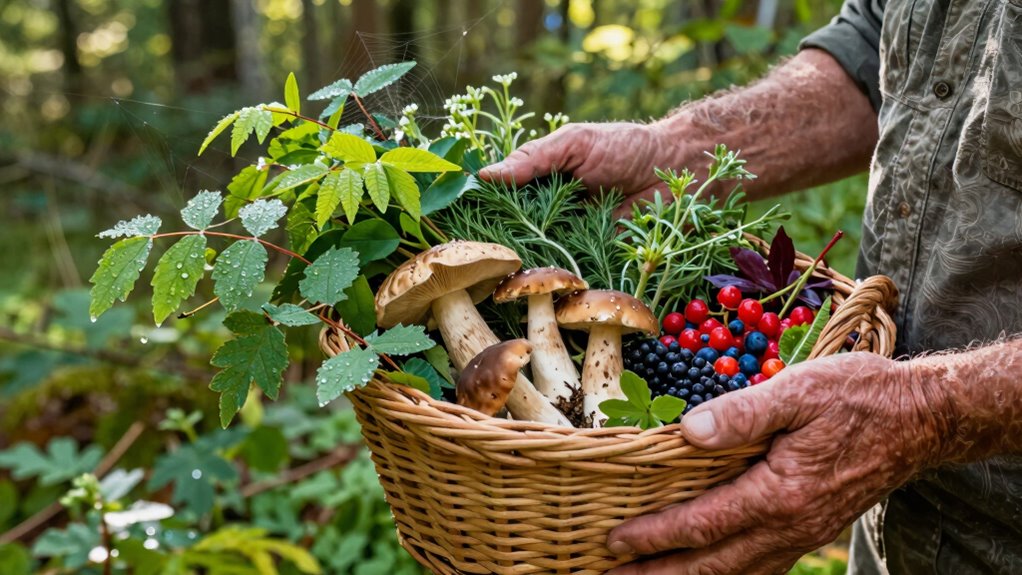

Good foragers realize that caring for the community and ecosystem guarantees resources remain abundant. By sharing gathered foods and respecting sustainable practices, you help prevent overharvesting and support long-term health. Collaborating with others builds trust and keeps traditions alive, fostering a culture of responsibility. When you think beyond your own basket, you contribute to collective resilience and ecological balance. Keep exploring to discover more about how this mindset benefits everyone involved.
Open a free Amazon Business account
Business pricing, bulk buying and tax-exempt orders.
As an affiliate, we earn on qualifying purchases.
Key Takeaways
- Good foragers prioritize community well-being to ensure long-term resource availability for all.
- They share knowledge and resources to promote ecosystem health and prevent overharvesting.
- Thinking beyond personal gain fosters trust, cooperation, and cultural traditions within the community.
- Sustainable practices help maintain ecological balance and support future generations’ needs.
- Recognizing ecosystem dynamics encourages responsible harvesting aligned with folklore and traditional knowledge.
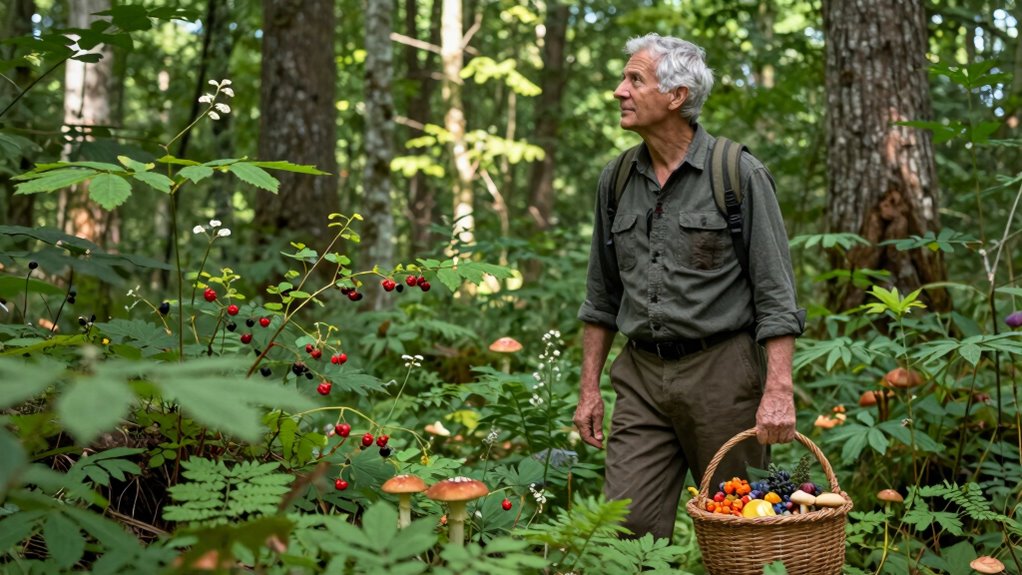
When foraging, the best gatherers recognize that their success depends not just on what they can collect for themselves, but on supporting the entire community. This mindset transforms the act of gathering from a solitary task into a shared effort, where resource sharing becomes essential. Instead of hoarding every berry or mushroom they find, good foragers understand that distributing what they gather helps ensure everyone benefits, especially during times of scarcity. This approach fosters trust and cooperation within the community, strengthening bonds and encouraging reciprocal support. When you think beyond your own basket, you’re contributing to a collective resilience that benefits all.
Sharing resources during foraging builds community, trust, and resilience for everyone’s future.
Collaborative harvesting is at the heart of this philosophy. It involves working together with others to maximize resource collection while minimizing waste and overharvesting. For example, you might coordinate with fellow foragers to harvest different areas or plant types, ensuring that no single spot is depleted prematurely. This teamwork helps maintain the health of plant populations and prevents environmental degradation. By sharing resources, you’re also exchanging knowledge—learning about safe harvesting techniques, seasonal patterns, and which plants are most sustainable to gather. This collective effort not only increases efficiency but also deepens your understanding of the ecosystem and your role within it. Sustainable practices are fundamental to maintaining the delicate balance of ecosystems and ensuring the longevity of resources. Recognizing the importance of community-based resource management can help reinforce sustainable foraging behaviors. Additionally, incorporating traditional knowledge passed through folklore and customs can guide more mindful harvesting. Moreover, understanding the nutritional value of gathered foods can help prioritize sustainable and healthful choices during foraging.
Thinking beyond your own basket also means recognizing the importance of fairness and sustainability. You might set aside some of your share for future use or for community members who can’t forage themselves. Resource sharing isn’t just about immediate gain but about ensuring long-term availability for everyone. This mindset discourages over-extraction and encourages responsible behavior that preserves the environment. Additionally, understanding the role of folklore and traditions in guiding sustainable practices can enrich your approach to foraging. When you prioritize collaborative harvesting, you contribute to a cycle of abundance that benefits both the land and the community. Your actions help maintain ecological balance, ensuring that future generations can continue to gather as well.
As an affiliate, we earn on qualifying purchases.
Frequently Asked Questions
How Does Thinking Beyond One’s Own Basket Benefit a Forager?
Thinking beyond your own basket benefits you as a forager by improving your individual decision making and personal resource management. When you consider the needs of others, you’re more likely to share resources, avoid over-harvesting, and guarantee sustainable gathering. This broader perspective helps you maintain a balanced supply, prevents depletion, and fosters cooperation, ultimately increasing your chances of long-term success and resilience in your environment.
What Skills Are Essential for Effective Collaborative Foraging?
Did you know that effective collaborative foraging increases resource yields by up to 50%? To do this well, you need skills like communication, teamwork, and adaptability. You must practice resource conservation, sharing information about food sources, and managing risks together. These skills help you avoid overharvesting and reduce dangers, ensuring everyone benefits. Working collectively, you’re better equipped to find and secure resources sustainably and safely.
How Do Foragers Share Information About Resource Locations?
You share information about resource locations through effective information transmission and social learning. By observing others, you pick up cues like gestures, calls, or movements that indicate where resources are. You might also communicate directly, pointing or using sounds to guide others. This collaborative approach helps the group find food efficiently, ensuring everyone benefits from shared knowledge and enhancing the collective foraging success.
What Challenges Arise From Foragers Relying on Community Knowledge?
Imagine you’re in a Stone Age village, and resource sharing depends on community knowledge transfer. Relying solely on this info, you might face challenges like outdated or inaccurate knowledge, leading to inefficient foraging. Misinformation can spread, causing resource depletion or missed opportunities. Balancing individual exploration with community sharing is essential; otherwise, you risk resource scarcity, which hampers survival and disrupts the social fabric that sustains collective foraging efforts.
How Does Cultural Tradition Influence Foraging Strategies?
Cultural tradition shapes your foraging strategies through cultural symbolism and ritual significance. You follow practices passed down, which often emphasize respecting nature and preserving resources. These traditions guide you to harvest sustainably, honor spiritual beliefs, and strengthen community bonds. By adhering to these customs, you’re not just gathering food but also keeping cultural identity alive, ensuring that future generations can continue benefiting from the land and its resources with respect and reverence.
Conclusion
So, stay sharp and see beyond your own basket. When you broaden your boundaries, you build bonds, boost brains, and balance your benefits. Good foragers gather more than just grains—they grow in generosity and gain a greater game. Remember, real richness comes from sharing, caring, and considering others’ needs. By thinking beyond your own basket, you foster fairness and forge friendships, fueling future foraging feats. Keep curious, connected, and committed to a collective course.
Flea & tick season Picks
flea and tick prevention
As an affiliate, we earn on qualifying purchases.