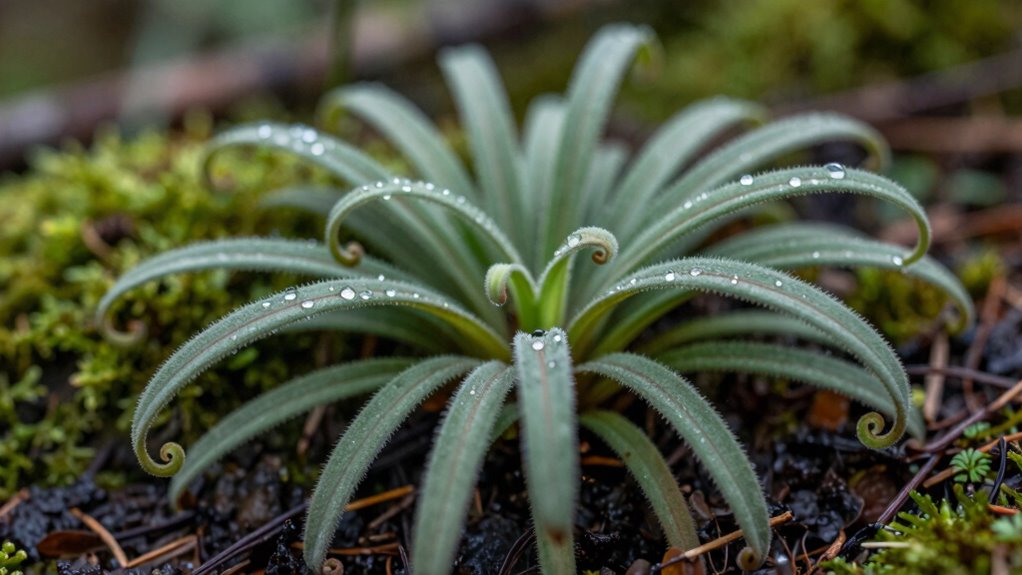

You should leave rare plants alone because disturbing them can wipe out irreplaceable species and disrupt delicate ecosystems. These plants rely on specific conditions and natural habitats to survive, and interference can cause erosion, invasive species, or harm pollination. By respecting their space, you help preserve their unique beauty and ecological roles. The more you understand about their importance, the better you’ll see why protecting these treasures is essential for nature’s future.
Key Takeaways
- Rare plants thrive best in their natural habitats without disturbance, ensuring their survival.
- Human interference can disrupt delicate ecological balances critical for rare plant health.
- Collecting or touching rare plants risks damage, which can threaten their continued existence.
- Protecting their environment supports broader ecosystem stability and biodiversity.
- Ethical observation and preservation efforts help secure the future of these unique species.
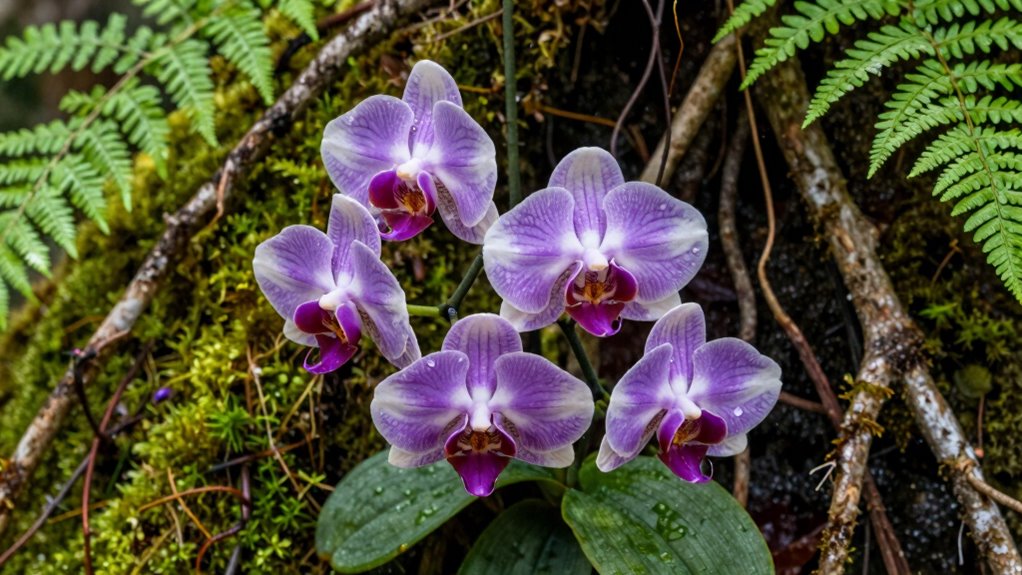
Rare plants often captivate with their unique beauty and rarity, but it’s important to remember that they usually thrive best when left undisturbed. These plants have often evolved in very specific environments, and any interference can upset their delicate balance. When you come across a rare plant, your instinct might be to take a closer look or even collect a sample, but this can do more harm than good. Respecting conservation ethics means understanding that these plants are essential parts of their ecosystems, and removing or disturbing them can have ripple effects that threaten their survival. Preserving their natural habitat is fundamental for maintaining ecological balance, which supports not only rare plants but also countless other species that share their environment. Supporting natural filtration systems in their habitats can further help maintain healthy ecosystems for these delicate species.
Respect rare plants by observing silently and preserving their natural environment for ecological harmony.
You might wonder why it’s so significant to leave these plants alone. The answer lies in how sensitive they are to changes. Many rare plants depend on precise conditions—specific soil types, moisture levels, and interactions with other organisms. Disturbing their habitat can lead to erosion, invasive species taking hold, or even the destruction of the plants themselves. By stepping back and observing, you help guarantee these plants continue to thrive in their natural setting. This approach aligns with conservation ethics, which prioritize protecting species and their ecosystems over personal curiosity or collecting. Additionally, habitat preservation plays a crucial role in ensuring the survival of rare plants, as their continued existence relies heavily on stable environments. Recognizing the importance of ecological resilience can further deepen appreciation for their role within complex ecological networks.
Ecological balance is a fragile thing, and rare plants play a critical role in it. They often serve as food sources or habitat for insects, birds, and other wildlife. When you allow these plants to flourish undisturbed, you contribute to the stability of the entire ecosystem. Conversely, removing or damaging a single rare plant can cause unforeseen consequences elsewhere, disrupting pollination cycles or leading to the decline of other species. This interconnectedness underscores why it’s so necessary to respect their space and avoid unnecessary interference. Moreover, understanding the specific needs of these plants can help inform more effective conservation strategies, which include protecting their natural habitats and promoting biodiversity. Recognizing the interconnectedness of ecosystems emphasizes why conservation efforts are so vital for their survival.
In practical terms, leaving rare plants alone means observing from a distance, avoiding collection, and advocating for their protection. If you’re interested in helping, supporting conservation efforts or protected areas is an effective way to make a difference. Remember, the goal isn’t just about protecting individual plants but ensuring the health of entire ecosystems. By practicing conservation ethics and recognizing the importance of ecological balance, you play a part in safeguarding these extraordinary species for future generations. Rare plants are treasures of nature, but their survival depends on us respecting their need for undisturbed existence.
rare plant observation binoculars
As an affiliate, we earn on qualifying purchases.
As an affiliate, we earn on qualifying purchases.
Frequently Asked Questions
How Can I Identify Rare Plants in the Wild?
To identify rare plants in the wild, pay attention to habitat indicators like unique soil types or specific environmental conditions. Examine morphological features such as distinct leaf shapes, flower structures, or coloration that differ from common species. Use field guides or plant identification apps for comparison. Remember, if a plant looks unusual or is found in limited areas, it might be rare. Always observe without disturbing to help protect these delicate species.
Are All Rare Plants Protected by Law?
Think of rare plants as fragile treasures, and not all are shielded by a legal armor. While many benefit from legal protection, not every rare plant receives conservation efforts or laws safeguarding it. You need to research specific species to know their status. Supporting conservation efforts and respecting legal protections helps preserve these delicate gems, ensuring they continue to grace our planet for generations to come.
Can Rare Plants Be Cultivated Safely at Home?
You can cultivate rare plants at home, but it’s not always safe or easy. Propagation techniques like seed sowing or cuttings can work, but they require patience and precise conditions. Be aware of cultivation challenges such as specific soil, humidity, or temperature needs. If you’re inexperienced, you might unintentionally harm the plant or disrupt wild populations. Always research thoroughly and consider conservation before attempting to grow rare plants yourself.
What Are the Main Threats to Rare Plant Species?
You face a world where habitat destruction bulldozes through delicate ecosystems like a wrecking ball, and illegal collection siphons rare plants from their homes. These threats threaten their survival, like whispers of extinction echoing through the wild. When you ignore these dangers, you risk losing irreplaceable beauty and biodiversity forever. Protecting these plants means safeguarding their habitats and resisting the temptation of illegal trade, giving them a fighting chance to thrive.
How Does Removing Rare Plants Affect Local Ecosystems?
Removing rare plants disrupts ecosystem balance and harms biodiversity preservation. When you take these plants away, you eliminate essential habitat and food sources for insects, birds, and other wildlife. This can lead to a domino effect, reducing species diversity and destabilizing the environment. By leaving rare plants undisturbed, you help maintain healthy ecosystems, ensuring that all species thrive together and that biodiversity remains resilient over time.
Conclusion
Just like Pandora’s box, rare plants hold secrets that are best left untouched. When you leave these delicate treasures undisturbed, you help protect nature’s fragile balance and guarantee they thrive for generations. Remember, nature’s most precious gems often flourish quietly, unseen by many. By respecting their space, you become a guardian of the wild, preserving the magic of the rare and mysterious. In doing so, you keep the wonder alive for all to cherish.