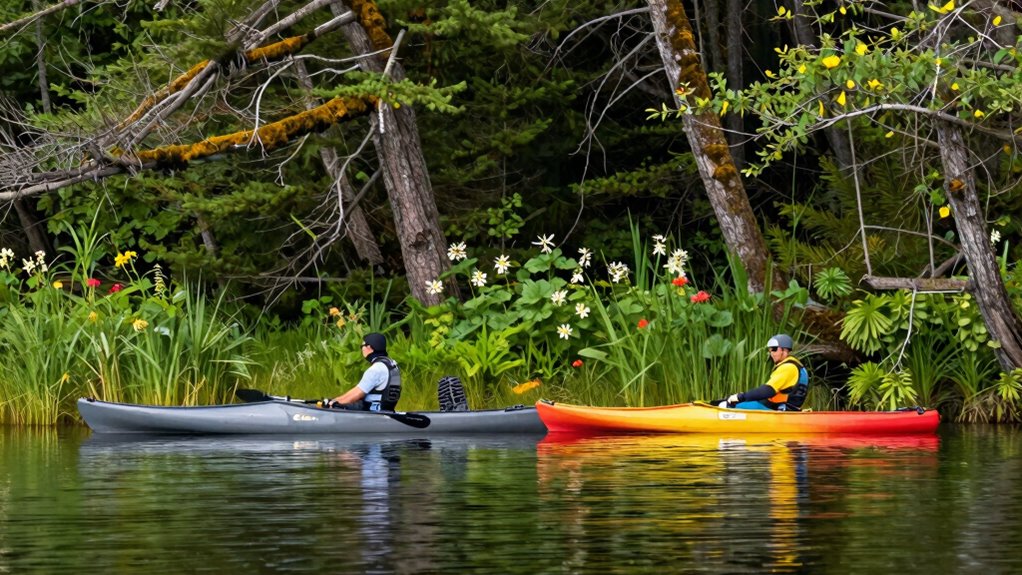

When paddling canoes and kayaks into wild places, you can enjoy nature deeply while minimizing your impact. Practice Leave No Trace by packing out trash and sticking to established waterways. Respect local ecosystems, cultural sites, and land-use rules to help preserve these areas. Engage with communities politely and learn their traditions. By being responsible, you support conservation efforts and guarantee future adventurers can also experience these pristine environments—there’s much more to explore in this approach.

Get garden gear delivered free — and shop member deals
- Fast, free delivery on millions of items
- Access to Prime Big Deal Days deals on October 6–7
- Prime Video, Amazon Music and more included
Key Takeaways
- Follow Leave No Trace principles by packing out trash and minimizing environmental disturbance.
- Respect local regulations, signage, and private or culturally sensitive lands.
- Plan ahead to ensure responsible access and avoid fragile ecosystems like wetlands.
- Engage with and learn about local communities and cultural sites respectfully.
- Promote responsible recreation to support conservation and preserve natural and cultural resources.
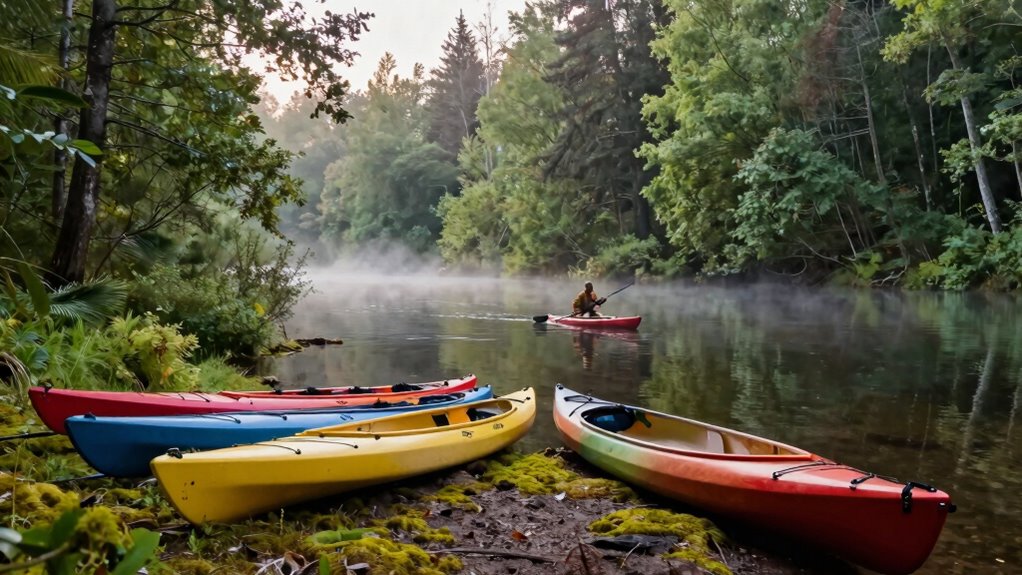
Have you ever wondered how your visits to wild places can leave a lasting positive impact? When you venture out in canoes and kayaks, you’re granted a unique opportunity to experience nature intimately. But with that privilege comes responsibility. To truly enjoy these pristine environments without harming them, it’s crucial to follow principles like Leave No Trace and show Cultural Respect. These guidelines help keep wild places beautiful and accessible for future generations while honoring the traditions and histories of local communities.
When you paddle through a river, lake, or coastal area, make sure to plan ahead. Pack out everything you bring in, including trash, food scraps, and gear. Leaving no trace means minimizing your impact on the environment, so avoid disturbing plants or wildlife. Stay on established waterways whenever possible, and steer clear of fragile ecosystems like wetlands or nesting sites. The goal is to enjoy nature without leaving behind any evidence of your visit. This approach preserves the scenery and ensures others can share the same experience.
Pack out all trash, stay on waterways, and avoid fragile ecosystems to preserve nature for everyone.
Cultural respect is just as crucial as environmental care. Many wild places are sacred or historically significant to local tribes or communities. Before you set out, take a moment to learn about the area’s cultural background. Respect signage, land-use rules, and any restrictions in place. Avoid trespassing on private or culturally sensitive lands, and always ask permission if you’re unsure. When you engage with local communities, do so with humility and an open mind. Recognize their connection to the land and history, and avoid behaviors that might disrespect their traditions. Showing sensitivity fosters mutual respect and helps protect these important sites from damage or misappropriation.
Additionally, understanding the importance of projector technology can inspire you to choose the right equipment for your home entertainment setup, ensuring a better viewing experience. In your journey, be mindful of how your actions can influence others’ perceptions of wild places. By adhering to Leave No Trace principles and practicing cultural respect, you help ensure these environments remain vibrant, accessible, and meaningful. Your responsible approach encourages others to follow suit, creating a ripple effect of conservation-minded adventurers. Remember, your role isn’t just about personal enjoyment—it’s about safeguarding the integrity of these wild places for everyone. When you paddle with care, respect local traditions, and leave no trace, you become part of a community that values and preserves the natural and cultural treasures we all cherish. That way, your explorations become not only memorable but also meaningful contributions to preserving the wild places you love.
As an affiliate, we earn on qualifying purchases.
Frequently Asked Questions
How Can I Identify Environmentally Sensitive Areas Before Paddling?
To identify environmentally sensitive areas before paddling, you should research local maps and regulations. Look for signs of water pollution or habitat disturbance, such as dead fish or eroded banks. Consult local conservation groups or park authorities for guidance. Use designated launch points and stay on established routes to minimize impact. Being proactive helps protect ecosystems and guarantees your adventure doesn’t cause harm to delicate habitats.
What Gear Is Essential for Minimal Environmental Impact?
Think of your gear as a bridge to nature’s heart. For sustainable paddling, you need eco-friendly gear like biodegradable containers, non-toxic paints, and lightweight, durable equipment. Reusable paddles and waterproof bags minimize waste, while non-slip footwear protects the environment. Your gear should blend seamlessly with nature, reducing your footprint. By choosing sustainable options, you honor and preserve the wild places you cherish, ensuring future adventurers can experience their untouched beauty.
Are There Specific Regulations for Paddling in Protected Wilderness Zones?
You need to check whether regulation enforcement and permit requirements apply before paddling in protected wilderness zones. Many areas have specific rules to protect ecosystems, and violating them can lead to fines or restrictions. Always research local regulations beforehand. Obtaining the necessary permits guarantees you’re complying with conservation efforts. By following these guidelines, you help preserve wild places for future adventurers and minimize your environmental impact.
How Do I Practice Leave No Trace Principles on Water?
To practice Leave No Trace on water, you should use eco-friendly cleaning and biodegradable products to clean your gear and boats. Avoid contaminating water with soap or chemicals, and pack out all trash and waste. Be mindful of wildlife and keep noise levels down. Stick to established waterways, and avoid disturbing plants or animals. By following these steps, you help preserve the pristine condition of wild places for future adventurers.
What Should I Do if I Encounter Wildlife During My Trip?
When you encounter wildlife during your trip, prioritize wildlife observation, respect the animal’s space, and maintain a respectful distance. Avoid startling or feeding animals, stay quiet to prevent disturbance, and observe from afar without chasing or approaching too closely. Remember, your calm presence helps protect their natural behaviors. By doing so, you guarantee a safe and enjoyable experience for both you and the wildlife, fostering a respectful, sustainable connection with nature.
Conclusion
So, next time you paddle into the wild, remember: you’re not just a carefree adventurer, but a guest with a tiny footprint. Respect the land, leave no trace, and don’t be that person who treats nature like a playground for their selfies. Because if we all play nice, those secret spots stay secret, and future explorers like you can enjoy them too. Paddle responsibly, and let’s keep the wild wild—without the wild mess.
Fall yard work Picks
leaf blowers
As an affiliate, we earn on qualifying purchases.