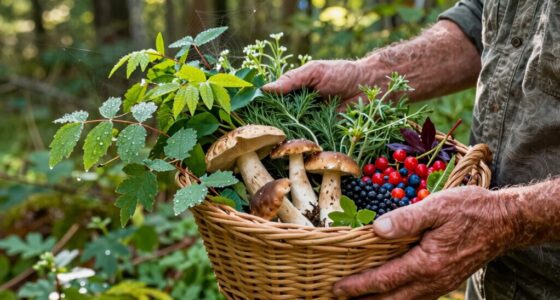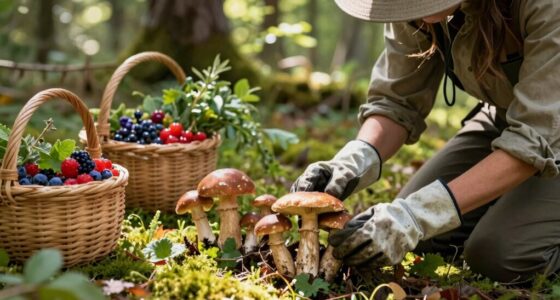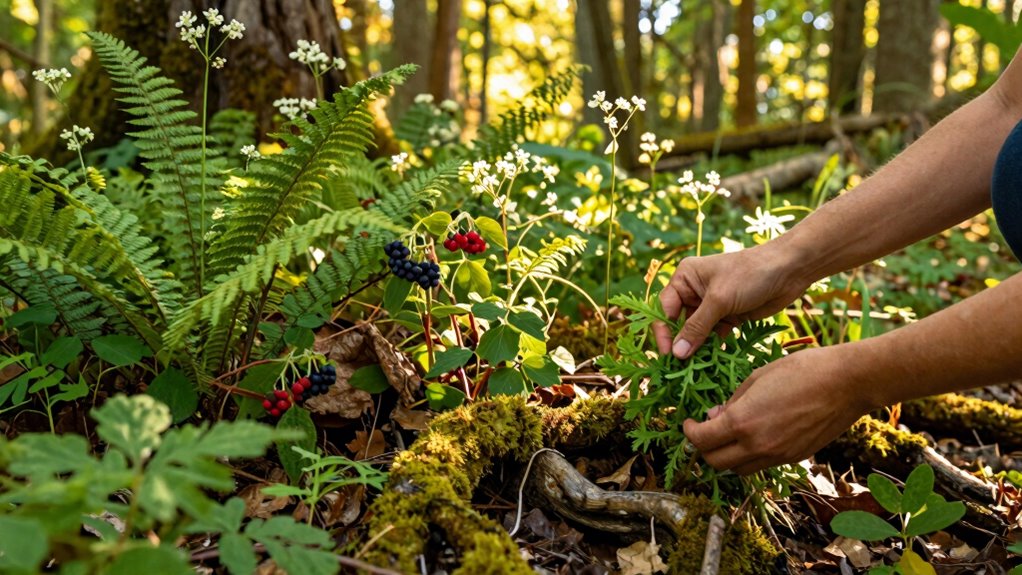
Wild harvesting encourages better ecological awareness by immersing you in nature and making you observe local plants closely. As you collect only what’s needed, you understand the importance of sustainable practices and how they protect plant populations. It also helps you recognize seasonal cycles and ecosystems’ delicate balance. By respecting traditional knowledge and caring for habitats, you become more aware of your role in preserving biodiversity. Keep exploring to discover how this practice deepens your connection to the natural world.

Get garden gear delivered free — and shop member deals
- Fast, free delivery on millions of items
- Access to Prime Big Deal Days deals on October 6–7
- Prime Video, Amazon Music and more included
Key Takeaways
- Promotes observation of natural growth patterns and seasonal cycles, deepening understanding of ecosystem dynamics.
- Encourages mindful collection practices that protect native plants and prevent overharvesting.
- Connects individuals with indigenous and traditional knowledge, fostering respect for ecological relationships.
- Highlights the importance of habitat health, including soil, water, and native species, for sustainable plant populations.
- Cultivates a personal and cultural appreciation for nature, inspiring responsible stewardship and ecological responsibility.
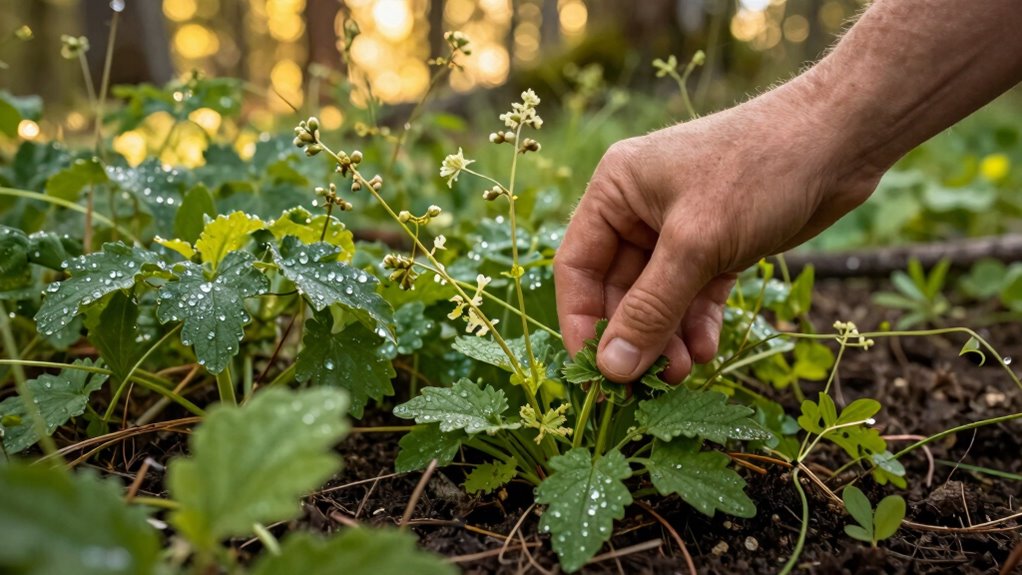
Wild harvesting, when done thoughtfully, offers a sustainable way to gather natural resources directly from the land. It encourages you to develop a deeper understanding of the ecosystems around you, fostering a sense of respect and responsibility for the environment. As you learn to identify and collect only what’s needed, you become more aware of the delicate balance within local habitats. This practice of sustainable foraging guarantees that plant populations remain healthy and thriving, which benefits the entire ecosystem. By avoiding overharvesting, you contribute to native plant preservation, helping species that might otherwise be at risk from unchecked collection or habitat destruction.
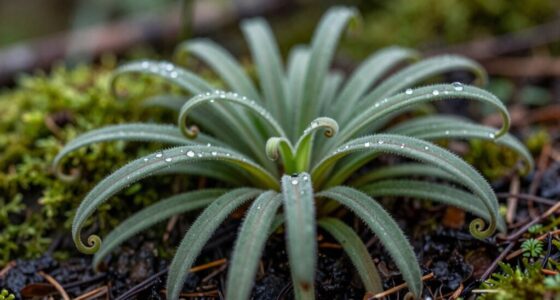
Engaging in wild harvesting prompts you to observe nature closely, noticing the seasonal cycles and growth patterns of local flora. This heightened awareness makes you more conscious of the importance of maintaining biodiversity. You start to see the land not just as a resource bank but as a living community, where every plant plays a crucial role. As you gain this ecological insight, you’re more likely to support conservation efforts and advocate for the protection of native species, understanding their significance beyond their immediate usefulness. Recognizing the importance of contrast ratio in natural light conditions can help you better appreciate how native plants adapt to their environment. Developing this ecological awareness is essential for fostering sustainable practices and ensuring the preservation of native ecosystems.
Wild harvesting also connects you to traditional knowledge and the cultural significance of native plants. Many indigenous communities have practiced sustainable foraging for generations, maintaining a harmonious relationship with their environment. By following their example, you learn to harvest mindfully—taking only what’s necessary and ensuring future growth. This approach helps preserve native plants and prevents their decline due to commercial overexploitation or careless collection. Additionally, understanding the role of native plants in local ecosystems can deepen your appreciation for their ecological importance and resilience. Practicing sustainable foraging often involves understanding the ecological balance, which is vital for maintaining healthy ecosystems. Learning from indigenous practices can also deepen your understanding of traditional ecological knowledge, which emphasizes respectful and sustainable interactions with nature.
Furthermore, wild harvesting heightens your ecological awareness by emphasizing the importance of habitat health. You recognize that a thriving plant community depends on intact soil, clean water, and the absence of invasive species. Your participation in native plant preservation helps protect these essential elements, reinforcing the idea that your actions have a direct impact on ecosystem stability. Through responsible harvesting, you become a steward for the land, understanding that your choices influence the health of the environment around you.
Ultimately, wild harvesting isn’t just about gathering; it’s about cultivating a connection with nature rooted in respect, knowledge, and sustainability. It encourages you to think critically about your role within the ecosystem and to act in ways that support ecological balance. By practicing sustainable foraging, you foster a greater ecological awareness that benefits not only the land but also your own well-being and the future of native plants.
As an affiliate, we earn on qualifying purchases.
Frequently Asked Questions
How Does Wild Harvesting Impact Local Plant Populations?
Wild harvesting, when done responsibly, supports plant regeneration by encouraging sustainable practices that prevent overharvesting. You help maintain habitat preservation by choosing to harvest only what’s needed and respecting plant growth cycles. This mindful approach guarantees local plant populations thrive, avoiding depletion. By understanding and respecting ecological limits, you contribute to healthier ecosystems, fostering biodiversity and ensuring that wild plants continue to flourish for future generations.
What Are the Legal Regulations Surrounding Wild Harvesting Practices?
Imagine trying to harvest wild herbs without a map—you’re likely to stray into danger. Similarly, legal permits and harvest restrictions guide you safely and sustainably. Laws vary, but generally, you need permits for certain species, and restrictions protect vulnerable populations. Ignoring these rules risks ecological harm and legal trouble. Always check local regulations before harvesting; it’s your responsibility to respect nature’s balance and stay within legal boundaries.
Can Wild Harvesting Promote Biodiversity Conservation?
Yes, wild harvesting can promote biodiversity conservation by maintaining ecosystem balance and supporting cultural preservation. When you harvest sustainably, you help protect plant and animal populations, ensuring species thrive rather than decline. This practice encourages you to stay connected with nature, fostering ecological awareness. By respecting natural cycles and traditional knowledge, you contribute to preserving biodiversity and cultural heritage, creating a healthier environment for future generations.
How Do Communities Benefit Economically From Wild Harvesting?
You benefit economically from wild harvesting through increased income, promoting economic diversification in your community. As you engage in sustainable harvesting practices, you empower local people by creating jobs, supporting small businesses, and preserving traditional skills. This fosters community empowerment, enabling you to rely less on external industries and more on natural resources. Ultimately, wild harvesting helps your community achieve financial resilience while encouraging responsible environmental stewardship.
What Training Is Needed for Sustainable Wild Harvesting?
You need training in wild plant identification to distinguish edible and medicinal plants from look-alikes. Learning proper harvesting techniques is essential to avoid damaging plants and ecosystems. Practice sustainable methods like selective harvesting and understanding plant growth cycles. Engaging with experienced foragers or attending workshops can deepen your knowledge. This training helps you harvest responsibly, ensuring ecosystems remain healthy and resources are available for future generations.
Conclusion
As you embrace wild harvesting, think of yourself as a gardener tending a delicate, ancient forest. Every mindful pick deepens your connection to nature, fostering a sense of respect and responsibility. Just like a skilled gardener nurtures their plants, your careful harvesting encourages healthier ecosystems. By cultivating this ecological awareness, you become an essential part of preserving our planet’s wild beauty—ensuring it thrives for generations to come. Your actions today can truly make a difference, like ripples in a vast pond.
Halloween Picks
halloween
As an affiliate, we earn on qualifying purchases.