
Climate change is causing shifts in the timing and availability of natural foraging seasons, making it harder for you to rely on traditional harvest times. As migration patterns become unpredictable and plant blooming times change, ecosystems become destabilized, and ecosystems, affecting food sources and biodiversity. These disruptions threaten your local practices and natural connections. If you want to understand how to adapt and protect these essential rhythms, explore the deeper impacts and potential solutions that follow.
Key Takeaways
- Climate change causes earlier or delayed plant blooming, disrupting pollination and crop harvest timings.
- Warming temperatures alter migration patterns of animals, affecting seasonal foraging and breeding routines.
- Ecosystem destabilization leads to reduced biodiversity and diminished availability of traditional seasonal resources.
- Disruption of natural cues hampers human and wildlife reliance on predictable seasonal harvests.
- Adaptive strategies and policy actions are essential to maintain ecological balance and support sustainable foraging.
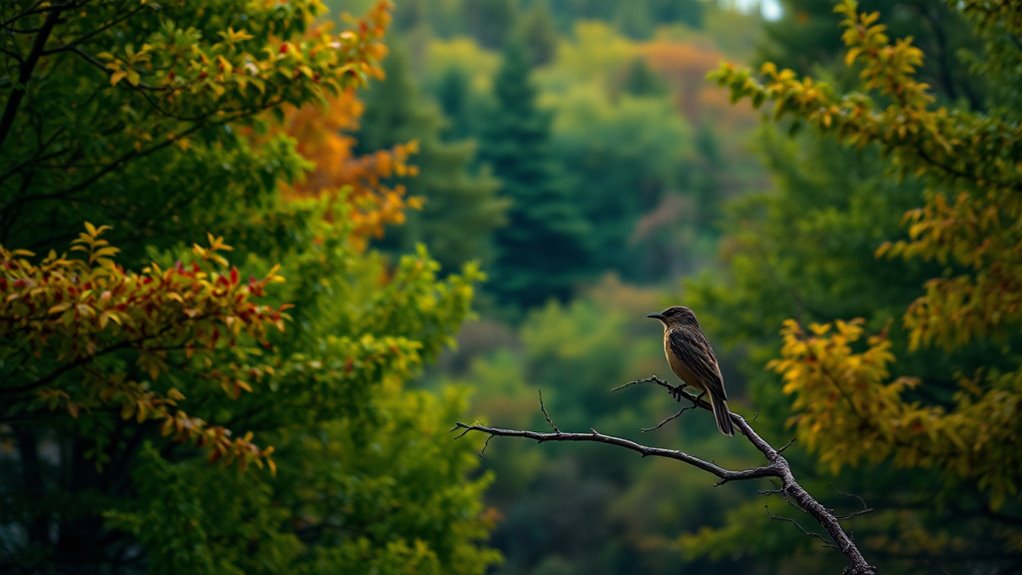
Climate change is rapidly altering the natural timing of foraging seasons, affecting both wildlife and humans who rely on seasonal resources. This disruption isn’t just about changing weather; it’s about fundamentally shifting the rhythm of life itself. When migration patterns become unpredictable, the delicate balance of ecosystems is thrown into chaos, making it harder for species to find food and thrive. You might notice fewer seasonal harvests, or that familiar birds and animals show up at different times—or not at all. These changes threaten your connection to the land and the traditions tied to seasonal abundance, urging you to rethink how you interact with nature’s cycles.
Climate change disrupts seasonal cycles, threatening wildlife, crops, and our connection to nature’s rhythms.
As migration patterns shift due to warming temperatures, animals are arriving too early, too late, or not at all. Birds that once followed predictable routes now appear out of sync, confusing their breeding and foraging routines. Marine creatures, like fish, move to cooler waters, forcing fisheries to chase shifting targets and risking overexploitation. These altered migration routes ripple through ecosystems, disrupting predator-prey relationships and leading to a cascade of unforeseen consequences. You recognize this chaos as a sign that nature’s harmony is breaking down, a loss of the stability that once allowed for predictable harvests and sustainable living.
These ecosystem impacts are profound, affecting the very foundation of your food systems. When plants bloom earlier or later than usual, pollinators can’t keep pace, leading to poor yields and less biodiversity. Forests and grasslands lose their ability to support the wildlife that once thrived there, and the interconnected web of life becomes frayed. This instability impacts you directly, whether you’re a forager, farmer, or consumer, making it harder to access reliable seasonal resources. Your freedom to harvest nature’s bounty diminishes as the natural cues that guided sustainable gathering fade away. This loss of timing control means you’re less able to plan, harvest, and enjoy what the land and sea provide.
Recognizing these shifts doesn’t mean resignation. It’s a call to action—a push to reclaim your power over the environment. By understanding how climate change manipulates migration patterns and ecosystem impacts, you can advocate for policies that restore balance. You can support regenerative practices that help ecosystems adapt, allowing natural rhythms to recover. The more aware you are of these changes, the better equipped you are to forge new ways of living that respect and work with nature’s altered cycles. Liberation comes when you refuse to accept a world where climate chaos dictates your access to natural abundance. Instead, you stand for resilience, adaptation, and the renewal of harmony between humans and the environment.
Furthermore, integrating sound design techniques into environmental awareness campaigns can help communicate these complex changes more effectively, fostering deeper understanding and emotional engagement.
Frequently Asked Questions
How Do Changes in Foraging Seasons Affect Predator-Prey Relationships?
You’ll notice that changes in foraging seasons cause phenological mismatches, disrupting predator-prey relationships. When prey’s availability shifts, predators struggle with foraging synchronization, making it harder to find food. This imbalance can weaken predator populations and alter ecological dynamics. By understanding these shifts, you can better appreciate how climate-driven changes threaten natural balance, inspiring you to support actions that restore harmony and protect wildlife from the chaos of disrupted seasonal cycles.
What Are the Long-Term Ecological Impacts of Shifting Foraging Times?
Ironically, your efforts to adapt may undermine ecosystem resilience. As shifting foraging times force species to change their behaviors, they might disrupt delicate balances, risking ecosystem collapse. These adaptive behaviors, while essential for survival now, could lead to long-term instability if they aren’t sustainable. But this chaos also sparks a desire for liberation—an awakening to protect natural rhythms, restoring harmony and ensuring future resilience for all species involved.
How Can Indigenous Knowledge Aid in Understanding Climate-Induced Changes?
You can harness indigenous knowledge to understand climate-induced changes by valuing traditional practices that reveal environmental shifts over generations. These practices embody cultural resilience, helping you recognize subtle cues in nature that signal shifts in foraging patterns. By integrating this wisdom, you empower communities to adapt and resist ecological disruptions, fostering a deeper connection to the land and asserting your right to environmental sovereignty and sustainable coexistence.
Are There Specific Regions More Vulnerable to Shifts in Foraging Seasons?
You’ll find that regions with high habitat sensitivity, like Arctic tundras or coral reefs, are most vulnerable to shifts in foraging seasons. These areas face rapid ecological changes, threatening traditional ways of life and biodiversity. Recognizing regional vulnerability empowers you to advocate for targeted conservation efforts, ensuring nature’s resilience and your community’s survival. By understanding these risks, you can stand against environmental injustice and push for meaningful change.
How Does Climate Change Influence the Nutritional Quality of Food Sources?
Climate change impacts the nutritional content of your food sources by altering growing conditions and disrupting nutrient levels. As temperatures rise and weather patterns shift, food quality declines, reducing essential vitamins and minerals. You’re affected because your diet depends on the integrity of these resources. To reclaim control, seek out diverse, local, and sustainably farmed foods that resist these changes, empowering you to maintain better nutrition despite environmental upheaval.
Conclusion
As the Earth’s rhythm shifts beneath your feet, the changing foraging seasons paint a picture of a world in flux. You stand at the edge of a moving canvas, where nature’s dance grows unpredictable. Embrace this dance with awareness and care, for your actions can help restore balance. Like a gentle tide, your efforts can turn the tide of change, guiding us toward a future where seasons and life itself find harmony once more.