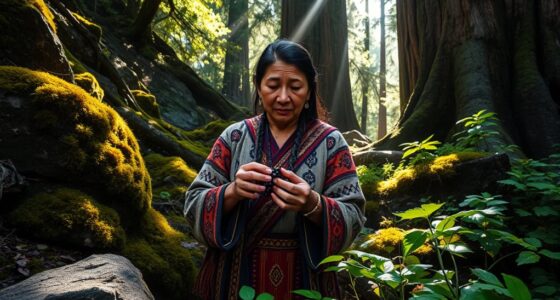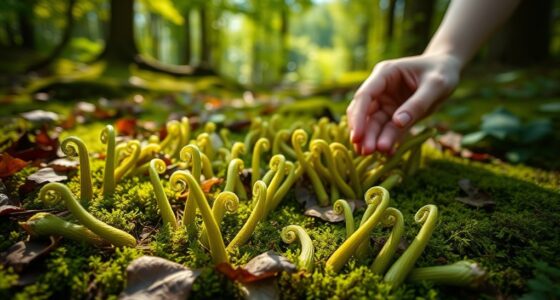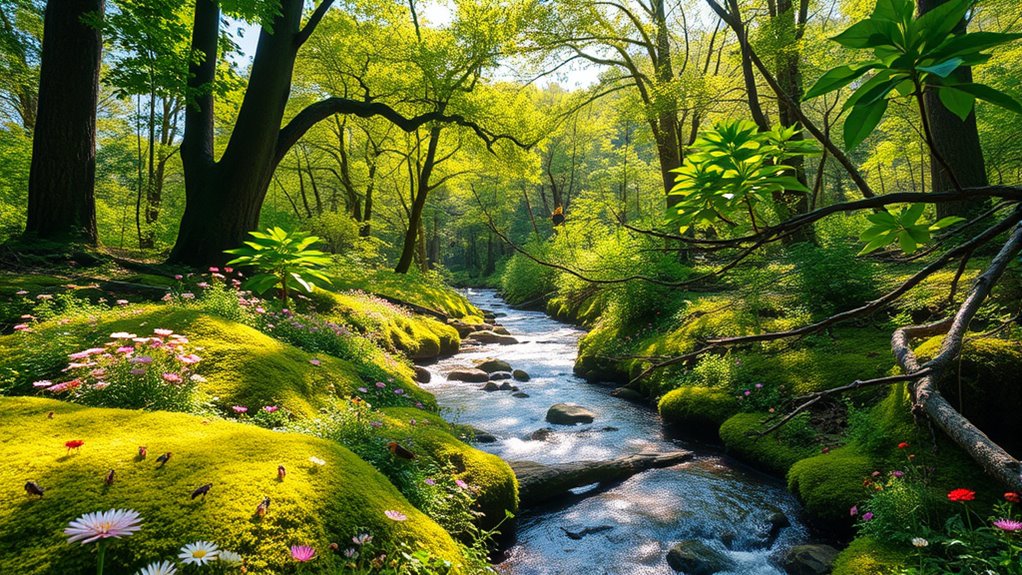

Plants give back essential ecosystem services that benefit you and the planet. They pollinate crops, ensuring food production, and support biodiversity by fertilizing flowers and wild plants. They also capture carbon dioxide, helping to reduce climate change impacts. Additionally, plants provide clean air, nourish your food, and stabilize environments. These natural processes form the foundation of ecological health and human well-being. Keep exploring to discover how protecting plants can strengthen your environment and your future.
Key Takeaways
- Plants provide essential ecosystem services like pollination, supporting crop production and biodiversity.
- They capture atmospheric carbon dioxide, helping to reduce greenhouse gases and combat climate change.
- Natural landscapes and green spaces act as carbon sinks, stabilizing climate patterns.
- Plants enable clean air, nourishing food, and vibrant landscapes vital for human well-being.
- Supporting native plant populations and conservation efforts enhances ecological health and environmental resilience.

Ecosystem services are the natural processes and resources that benefit humans and support life on Earth. They’re the invisible forces working tirelessly behind the scenes, giving you the freedom to breathe clean air, nourish yourself with food, and enjoy vibrant landscapes. But these services aren’t automatic; they depend on the plants and natural systems that sustain them. By understanding what plants give back, you can see how their role is essential to your liberation from environmental constraints and the tyranny of pollution and climate change.
One of the most empowering aspects of plant contributions is pollination benefits. When you think of pollination, imagine a world where crops, fruits, and flowers flourish because bees, butterflies, and other pollinators do their work. These tiny agents are indispensable for fertilizing plants, ensuring food production and maintaining biodiversity. Without pollination, you’d face food shortages, rising prices, and a diminished quality of life. Recognizing this, you realize that supporting healthy ecosystems—where pollinators thrive—is a way to reclaim control over your food security and environmental health. Protecting pollinators isn’t just about saving bees; it’s about safeguarding your right to nourish yourself and future generations.
Equally powerful is the plant’s role in carbon sequestration. As you seek liberation from the grip of climate change, understanding how plants help by capturing carbon dioxide becomes essential. Forests, grasslands, and even urban green spaces act as natural carbon sinks—drawing excess greenhouse gases out of the atmosphere and locking them away. This process reduces global warming and stabilizes climate patterns, offering you a chance to resist the destructive forces threatening your environment. By supporting plant growth and restoring natural landscapes, you actively participate in the fight against climate change, reclaiming your power to shape a healthier planet. It’s a reminder that nature isn’t just a resource to exploit but a vital partner in your quest for freedom from ecological oppression. Additionally, understanding plant-based solutions can guide effective environmental strategies that maximize these benefits.
In essence, plants give back in ways that directly empower you. Their pollination benefits ensure your food security, while their capacity for carbon sequestration helps tame the climate crisis. Recognizing this interconnectedness grants you a new perspective—one where your actions, like supporting conservation efforts, planting native species, or reducing pollution, become acts of resistance. You’re not helpless in the face of environmental degradation; you hold the power to nurture these natural processes and forge a path toward liberation. The more you understand and protect these ecosystem services, the more you realize that your freedom is intertwined with the health of the natural world—a world that plants help sustain every day.

Wildflower Seeds Bulk, 2 Oz. 80,000+ Seeds – Save the Bees Mix with 19 Non-GMO Varieties – Bee Friendly & Pollinator Wildflower Seed for Planting
This gorgeous selection of 19 annual and perennial wildflower seeds provides easy-to-grow bee friendly flowers . Wildflower seeds…
As an affiliate, we earn on qualifying purchases.
As an affiliate, we earn on qualifying purchases.
Frequently Asked Questions
How Do Plants Specifically Support Local Climate Regulation?
Plants support local climate regulation through plant cooling and microclimate moderation. By shading streets and buildings, they reduce heat, making your environment cooler and more comfortable. Their transpiration releases moisture into the air, which helps lower temperatures naturally. This process creates a balanced microclimate, giving you relief from overheating and fostering a healthier, more livable space. Embrace plants to reclaim control over your climate and enjoy a cooler, more liberated environment.
Can Urban Plants Provide the Same Ecosystem Services as Wild Plants?
You can think of urban plants as resilient warriors, fighting to provide ecosystem services just like wild plants. While they may not match the vast diversity of nature, their adaptability fuels urban biodiversity, offering shade, cleaner air, and cooling effects. You’re liberated by the idea that even in concrete jungles, plants rise to support your environment, proving that with a little care, city greenery can give back as much as their wild counterparts.
What Are the Most Endangered Plant Species Providing Essential Services?
You should know that rare species like the Javan rhino or the Western Prairie Fringed Orchid are critically endangered but still provide crucial ecosystem services. Conservation efforts aim to protect these plants because they support biodiversity and help maintain ecological balance. Without action, we risk losing these essential plants, which could disrupt food chains, pollination, and climate regulation. Protecting them means safeguarding our planet’s health and future.
How Do Ecosystem Services From Plants Vary Across Different Ecosystems?
Ironically, you might think all ecosystems deliver the same plant-derived benefits, but plant diversity actually shapes how services vary. In lush rainforests, abundant plant life boosts ecosystem resilience, providing stability and essential resources. Meanwhile, in arid regions, fewer plants mean less reliable services. You’re empowered to protect diverse plant communities, knowing that their variety directly fuels resilience and guarantees these imperative services endure across different ecosystems.
What Innovative Technologies Enhance the Benefits Plants Offer to Ecosystems?
You harness innovative technologies like plant biotechnology and remote sensing to unlock nature’s potential and liberate ecosystems. Plant biotechnology allows you to develop resilient, resource-efficient plants that thrive and restore environments. Remote sensing offers real-time insights into ecosystem health, guiding your efforts to protect and enhance plant benefits. Embracing these tools empowers you to transform ecosystems, ensuring they flourish and serve communities sustainably and freely.

Urban Bloom Hydroponic Herb Growing Kits – Catnip – Indoor Garden System in a Mason Jar – Herb Garden Kit for an Indoor Greenhouse – Indoor Plant Hydroponic Growing System w/Fresh Herb Seeds
🌱 GROW FRESH Catnip- Urban Bloom's hydroponic growing system makes it easy to grow flavorful herbs, with no…
As an affiliate, we earn on qualifying purchases.
As an affiliate, we earn on qualifying purchases.
Conclusion
Now that you understand how plants provide essential services like cleaning the air, supporting wildlife, and stabilizing the soil, have you thought about what would happen if we took them for granted? By protecting and planting more greenery, you can help sustain these crucial benefits. Isn’t it worth doing your part to keep our ecosystems healthy? Remember, the future of our planet depends on what you do today—so, will you take action?
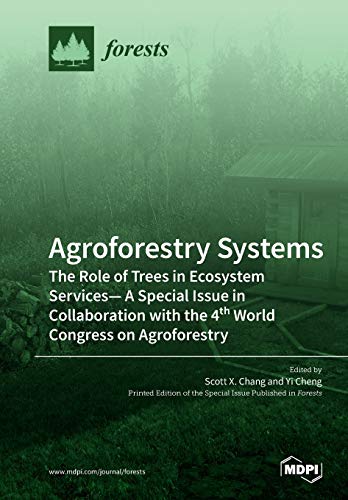
Agroforestry Systems: The Role of Trees in Ecosystem Services-A Special Issue in Collaboration with the 4th World Congress on Agroforestry
As an affiliate, we earn on qualifying purchases.
As an affiliate, we earn on qualifying purchases.
wildflower seed mix for biodiversity
As an affiliate, we earn on qualifying purchases.
As an affiliate, we earn on qualifying purchases.