
TL;DR

Get garden gear delivered free — and shop member deals
- Fast, free delivery on millions of items
- Access to Prime Big Deal Days deals on October 6–7
- Prime Video, Amazon Music and more included
Madrid City Council has introduced an official guide to transform schoolyards into climate-resilient, green spaces. The initiative aims to improve urban sustainability and adapt schools to climate challenges, though details on implementation are still emerging.
Madrid City Council has officially launched a new guide for transforming schoolyards into climate-resilient, sustainable spaces. The initiative aims to promote greener, more adaptable school environments amid increasing climate challenges, making it a significant step toward urban sustainability and educational resilience.
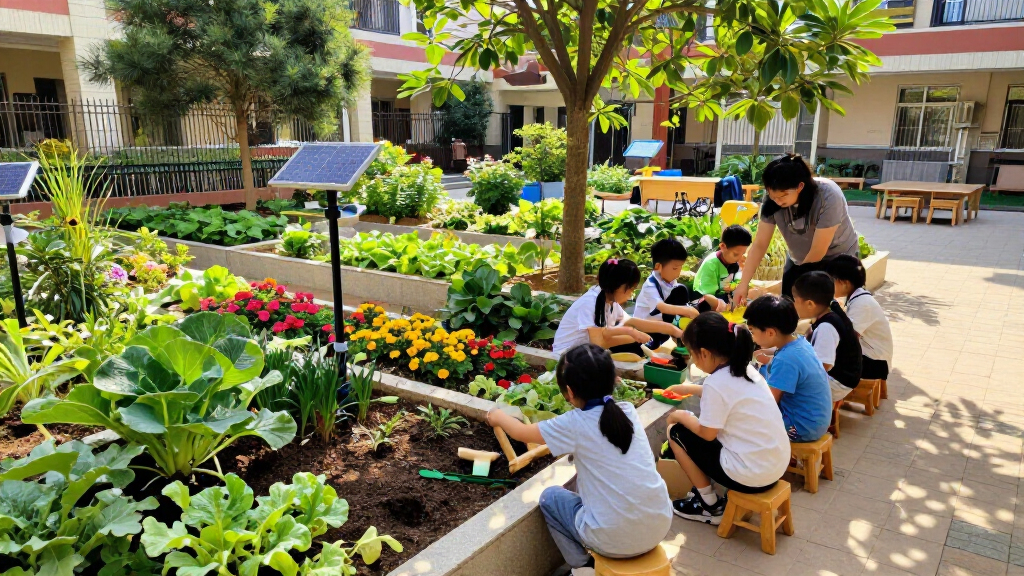
The guide, published by Madrid’s Department of Environment and Education, provides detailed recommendations for redesigning schoolyards to incorporate green infrastructure, water management systems, and native vegetation. It emphasizes creating shade, reducing heat islands, and improving air quality—key concerns in Madrid’s urban climate context.
According to Madrid City Council officials, the guide aims to serve as a practical resource for schools, local authorities, and urban planners seeking to implement climate-adaptive features. While specific funding mechanisms or mandatory requirements have not yet been announced, the guide underscores the city’s broader commitment to climate resilience and sustainable urban development.
While the guide’s content is now public, details about how many schools will be involved or the timeline for widespread implementation remain unclear. The council has indicated that pilot projects may begin later this year, but official rollout plans are still under discussion.
Madrid’s Climate-Resilient Schoolyards: A Major Urban Sustainability Step
This initiative is significant because it addresses the urgent need for cities like Madrid to adapt urban spaces to climate change impacts. Transforming schoolyards into green, climate-resilient areas can reduce urban heat islands, improve air quality, and serve as educational models for sustainability. The move aligns with broader European trends toward climate adaptation and urban greening, highlighting Madrid’s commitment to environmental resilience and sustainable development in public spaces.
green schoolyard landscaping products
As an affiliate, we earn on qualifying purchases.
As an affiliate, we earn on qualifying purchases.
Madrid’s Urban Climate Initiatives and Schoolyard Renovations
Madrid has been increasingly active in urban climate initiatives, focusing on expanding green spaces and improving environmental conditions. Previous projects have included urban parks, green roofs, and sustainable transportation policies. The new schoolyard guide builds on these efforts, emphasizing the importance of integrating climate resilience into educational environments.
The concept of greening schoolyards is gaining traction across Europe, with many cities recognizing the educational and environmental benefits of accessible green spaces for children. Madrid’s move reflects a growing awareness of the role that urban planning can play in climate adaptation and public health.
It is not yet clear whether the guide is part of a larger, citywide policy or a standalone resource. Officials have not confirmed specific funding or legislative measures tied to this initiative, and details on its integration into existing urban planning strategies are still emerging.
Implementation Details and Future Plans Still Unclear
It is not yet clear how many schools will participate, what funding will be allocated, or when the full rollout of the program will occur. Official timelines and specific project scales have not been confirmed, and further details are expected to be announced in the coming months.Next Steps Include Pilot Projects and Policy Integration
Madrid authorities are expected to initiate pilot projects later this year to test the guide’s recommendations. These pilots will help assess practical challenges and refine strategies before broader implementation. Additionally, officials may clarify funding sources and legislative support in upcoming public statements or city council meetings.
Monitoring and evaluation of initial projects will determine the scale and pace of future expansion, with the goal of integrating climate-resilient features into more schoolyards across Madrid in the near future.
Key Questions
What is the main goal of Madrid’s new schoolyard guide?
The guide aims to transform schoolyards into green, climate-resilient spaces that reduce heat, improve air quality, and serve as models for sustainability, benefiting students and urban environments alike.
Will all schools in Madrid participate in this initiative?
It is not yet confirmed whether all schools will be involved. The city plans to start with pilot projects later this year, with broader implementation depending on the outcomes of these initial efforts.
How will the city fund these schoolyard transformations?
Details about funding sources or specific budget allocations have not been announced. Officials may clarify funding mechanisms as pilot projects advance.
Are there any legal requirements associated with the guide?
Currently, the guide appears to be a voluntary resource rather than a mandatory regulation. Future policies or mandates could be considered depending on pilot project results.
Why is this initiative important for Madrid’s climate strategy?
Transforming schoolyards into green, climate-resilient spaces supports Madrid’s broader goals of urban sustainability, climate adaptation, and improving quality of life amid rising temperatures.
Source: local
Fall yard work Picks
leaf blowers
As an affiliate, we earn on qualifying purchases.