In practical foraging, seasonality means understanding how wild food availability and quality change throughout the year. By paying attention to seasonal cues, you can focus on harvesting foods when they’re ripe and at their best, avoiding time wasted on unlikely finds. It also helps you identify the right stage of growth for safe and sustainable foraging. Keep exploring how these patterns develop, and you’ll become more confident in harvesting at the perfect time.

Get garden gear delivered free with Prime
- Fast, free delivery on millions of items
- Prime Video, Amazon Music and more included
- Member-only deals all year
Key Takeaways
- Recognizing when wild foods are ripe and available based on seasonal growth patterns.
- Timing foraging trips to match peak availability of specific wild edibles.
- Understanding how weather and climate influence seasonal availability.
- Harvesting at optimal development stages for safety and quality.
- Ensuring sustainable practices by harvesting during appropriate seasons to support plant health.
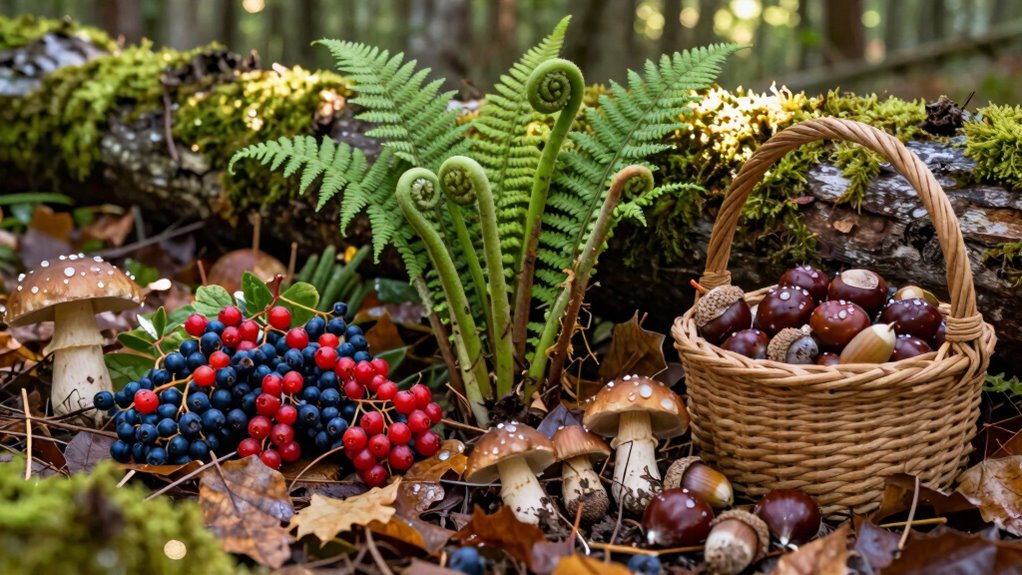
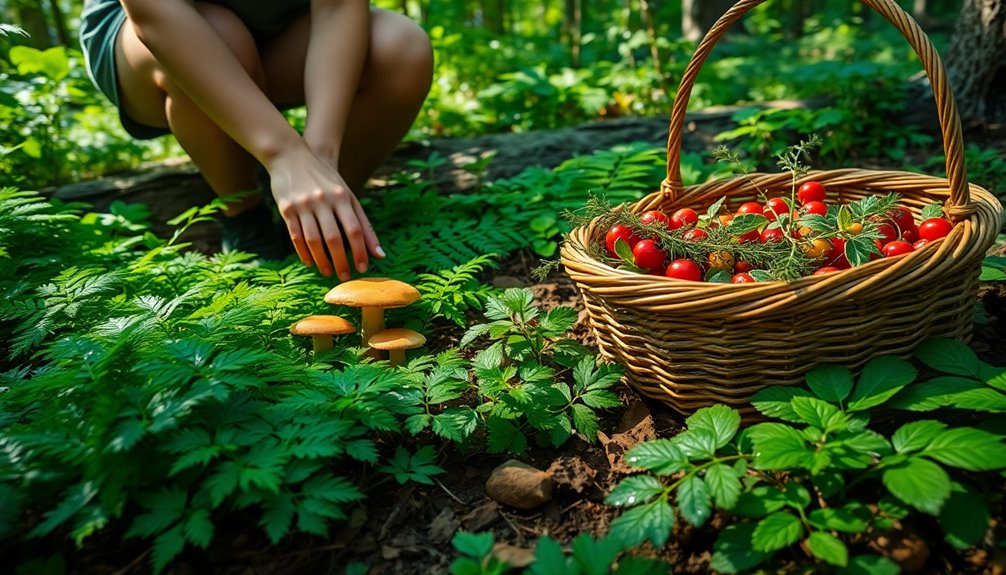
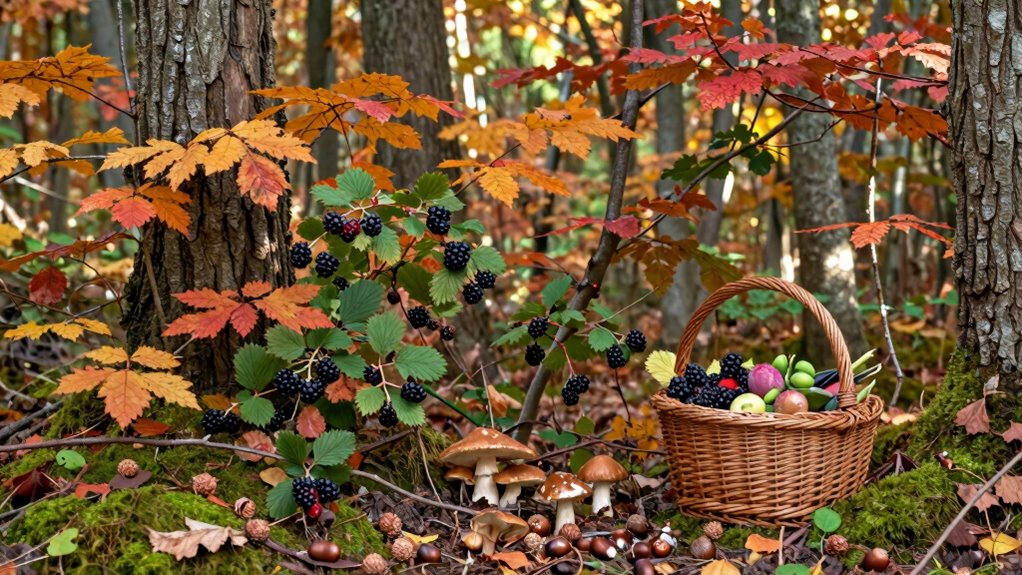
Many foragers quickly learn that the availability of wild foods varies throughout the year, making seasonality a crucial factor in planning your foraging trips. Understanding when certain plants, mushrooms, or berries are in season helps you target your efforts effectively and avoid wasting time on unlikely finds. Seasonal foraging tips revolve around recognizing these fluctuations, which directly influence your wild edible identification skills. For example, berries like blackberries and raspberries ripen in late summer, while mushrooms such as chanterelles flourish in the fall. Knowing these patterns allows you to focus on what’s ripe and safe to harvest at the right time.
Seasonal knowledge helps target ripe wild foods and improves safe foraging timing.
Seasonality impacts not just what you gather but also how you identify wild edibles. Many plants have specific growth windows that serve as clues during your hunts. If you find a certain flower in bloom, you might expect the fruit or seeds to be nearby later in the season. Conversely, some plants are only edible at particular stages of development, so timing your foraging trips to coincide with these windows enhances your success. For example, young shoots or leaves may be tender and flavorful early in the season, but become tough or bitter as they mature. Additionally, understanding seasonal patterns can help you anticipate shifts caused by unusual weather, making your foraging efforts more adaptable and successful. Recognizing the growth cycles of plants also plays a role in ensuring you’re harvesting at the optimal and most nutritious stages.
Being aware of how plant growth cycles influence availability can guide your harvesting practices to ensure sustainability and prevent overharvesting during peak times. Recognizing these cycles is also essential for practicing sustainable foraging, which helps preserve wild populations for future seasons.
wild edible plant identification guide
As an affiliate, we earn on qualifying purchases.
As an affiliate, we earn on qualifying purchases.
Frequently Asked Questions
How Can I Identify Seasonal Edible Plants Safely?
To identify seasonal edible plants safely, focus on accurate plant identification by studying reliable guides and local foraging groups. Pay attention to harvest timing; many plants are only edible during specific seasons. Look for distinct features like leaf shape, flower color, and fruit appearance, and always double-check before consuming. Avoid plants that look unusual or unfamiliar, and consider consulting an expert to guarantee you’re harvesting at the right time and safely.
Does Seasonality Affect the Nutritional Value of Foraged Foods?
Seasonality definitely impacts the nutritional fluctuations in foraged foods. As you adjust your harvest timing, you’ll notice certain plants peak in nutrients at specific times. For example, wild greens may have higher vitamin content early in the season, while fruits often reach peak sugar levels later. By understanding these seasonal patterns, you can maximize the nutritional value of your foraged foods, ensuring you get the most health benefits from each harvest.
Are There Regions With Less Pronounced Seasonal Foraging Changes?
Yes, some regions experience less pronounced seasonal foraging changes due to regional plant variability and climate stability. In areas with mild climates or near the equator, you might find year-round availability of certain plants, making local foraging calendars less seasonal. You’ll notice fewer shifts in foraging opportunities, allowing you to harvest resources more consistently. Understanding these regional differences helps you plan your foraging trips effectively and sustainably.
How Does Climate Change Impact Seasonal Foraging Patterns?
Imagine the delicate dance of nature’s rhythm—climate change disrupts this harmony, affecting your foraging. You’ll notice altered seasonal timings, as climate adaptation forces plants and animals to shift habitats, making foraging less predictable. These habitat shifts can lead to shortages or unexpected abundance, challenging your knowledge and skills. Embrace flexibility, stay informed, and adapt to these changes, ensuring your foraging remains sustainable amid an uncertain, warming world.
Can Foraging Year-Round Be Sustainable in All Areas?
You can’t forage year-round sustainably everywhere. In some areas, wild food preservation techniques like drying or fermenting extend harvests, but overharvesting risks depleting local resources. Urban foraging ethics emphasize respecting plant cycles and avoiding damage to ecosystems. Always consider seasonality and local regulations. By practicing responsible foraging and conserving wild foods, you help guarantee these resources remain available for future seasons and for others to enjoy.
Conclusion
Understanding seasonality helps you plan your foraging trips effectively. For instance, knowing elderberries ripen in late summer allows you to gather them at their peak, ensuring the best flavor and nutrition. By paying attention to seasonal patterns, you avoid wasting time on out-of-season plants and maximize your harvest. Embracing seasonality means you become more in tune with nature’s rhythms, making your foraging both sustainable and rewarding. It’s all about aligning your efforts with nature’s cycle.
Fall yard work Picks
leaf blowers
As an affiliate, we earn on qualifying purchases.