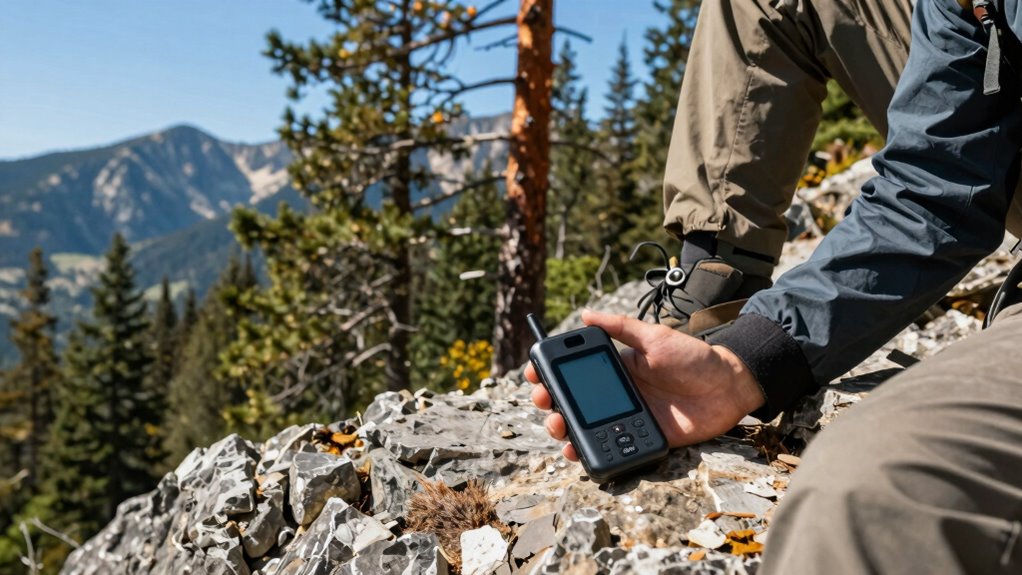

When you’re outdoors in remote areas without reliable cell service, two-way satellite messaging becomes vital. It guarantees you can send and receive messages instantly, indispensable for emergency alerts or rescue coordination. This technology allows you to share your location in real-time, giving loved ones and responders peace of mind. It’s especially valuable during solo trips or challenging terrain. Want to discover how satellite messaging can keep you safe and connected? Keep exploring to find out more.

Get garden gear delivered free with Prime
- Fast, free delivery on millions of items
- Prime Video, Amazon Music and more included
- Member-only deals all year
Key Takeaways
- When reliable cellular coverage is unavailable, ensuring instant communication for safety and emergencies makes satellite messaging essential.
- For remote adventures like multi-day hikes or expeditions, two-way satellite messaging provides peace of mind and real-time location sharing.
- In environments with challenging terrain or weather, satellite communication maintains connectivity despite environmental obstacles.
- During outdoor activities with limited rescue options, satellite messaging enables quick alerts and emergency coordination.
- When planning trips in regions with restrictive regulations or limited network infrastructure, satellite messaging ensures continuous communication.
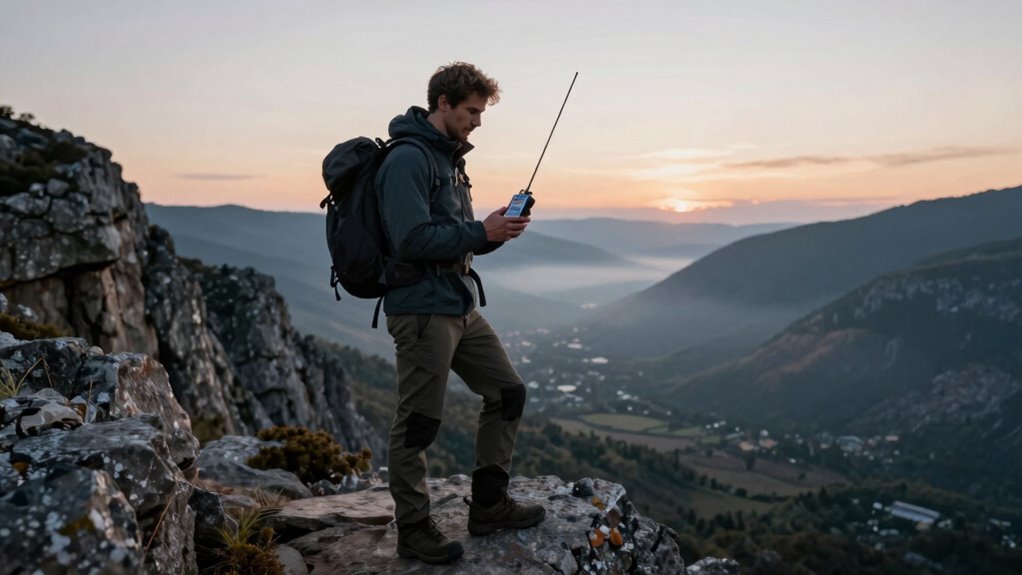
When you’re exploring remote outdoor areas, staying connected can be a challenge—especially where cell service is unreliable or nonexistent. That’s where two-way satellite messaging becomes a game-changer. It provides a dependable way to communicate, no matter how far from civilization you venture. Whether you’re on a solo trek, a multi-day hike, or guiding a group through rugged terrain, having a reliable connection ensures you can send and receive messages instantly. This capability is essential for emergency preparedness, allowing you to alert rescuers or loved ones if something goes wrong. You don’t need to rely on spotty cell signals or hope someone happens to be nearby—it’s all about having peace of mind, knowing you can reach out when it matters most.
Adventure tracking is another significant benefit of two-way satellite messaging outdoors. Many devices integrate GPS features, letting you share your exact location with friends or emergency services. This real-time tracking helps others keep tabs on your whereabouts, which can be critical if weather turns bad or if you encounter unexpected obstacles. If you get lost or injured, your ability to communicate your position quickly can make all the difference in a rescue situation. Plus, it helps loved ones follow your progress safely without interrupting your adventure. This kind of adventure tracking ensures everyone stays informed, reducing anxiety and increasing safety during your outdoor pursuits. Additionally, regional flavors and regional insights into satellite technology can enhance your understanding of how different environments impact communication options, further empowering your outdoor experiences. Incorporating advanced satellite networks can also improve connectivity in remote areas, making your outdoor adventures even safer and more enjoyable. Recognizing how terrain and climate influence satellite signals can help you choose the most effective devices for your needs. Moreover, understanding satellite coverage patterns can assist in planning routes that maximize communication reliability in challenging terrains. Being aware of the regulatory landscapes surrounding satellite use in various regions can also help you avoid unexpected restrictions and ensure continuous connectivity.
Beyond safety, two-way satellite messaging enhances your overall outdoor experience. It provides a sense of security, enabling you to plan more ambitious trips without the fear of isolation. You can coordinate with friends, update your itinerary, or check in without relying on traditional communication networks. This flexibility encourages you to explore more remote areas confidently, knowing that help and communication are always within reach. It also supports emergency preparedness by allowing you to send quick messages to emergency responders, even in the most isolated locations. In case of an accident or sudden change in weather, you can notify authorities immediately, potentially preventing minor issues from escalating.
Popular right now

Roborock Robot Vacuum and Mop with LiDAR Navigation and 10,000 Pa Suction

Ninja Luxe Café Mini Plus Espresso and Drip Coffee Machine with AutoFroth, Stainless Steel, ES351

Dyson Car+Boat Cordless Handheld Vacuum
As an affiliate, we earn on qualifying purchases.
Frequently Asked Questions
How Does Two-Way Satellite Messaging Compare to Cellular Communication Outdoors?
You’ll find that two-way satellite messaging outperforms cellular communication outdoors when there’s no cellular signal. Satellite signals work globally, ensuring you can send messages and receive emergency alerts even in remote areas. Unlike cellular networks, which rely on local towers, satellite devices communicate directly with satellites, providing reliable connectivity where cellular coverage is limited or non-existent. This makes satellite messaging essential for safety and staying connected in the wilderness.
What Are the Initial Costs of Setting up Satellite Messaging Devices?
Starting satellite messaging setups costs vary, but you should consider a satellite subscription and durable devices. The initial investment includes purchasing rugged, reliable devices designed for outdoor use, plus the monthly satellite service fees. Durable devices withstand harsh weather, while subscriptions guarantee continuous connectivity. Expect to spend a few hundred to over a thousand dollars initially, depending on device features and coverage needs, making it a worthwhile investment for reliable outdoor communication.
Can Satellite Messaging Work in Extreme Weather Conditions?
Yes, satellite messaging can work in extreme weather conditions, thanks to its weather resilience and satellite signal reliability. You’ll find that most satellite devices are designed to operate effectively even during storms, heavy rain, or snow. However, severe weather can sometimes cause temporary signal disruptions. Overall, satellite messaging offers dependable communication outdoors, ensuring you stay connected regardless of challenging weather, making it an excellent choice for remote or harsh environments.
What Are the Best Satellite Messaging Options for Hiking Enthusiasts?
You need the ultimate satellite messaging device that’s like a lifeline in the wilderness. The Garmin inReach Mini or SPOT X provide unbeatable satellite coverage, ensuring you stay connected even in remote, rugged terrains. Their emergency features are like having a rescue team in your pocket, ready to alert authorities if things go south. For hiking enthusiasts, these options offer peace of mind, reliability, and safety amidst nature’s wildest adventures.
How Secure Is Two-Way Satellite Communication in Remote Areas?
Two-way satellite communication in remote areas is generally secure, thanks to robust encryption protocols that protect your messages from interception. Signal stability is usually reliable, but it can vary based on weather conditions and satellite coverage. To stay safe, choose devices with strong encryption and maintain clear line-of-sight to satellites. This guarantees your conversations remain private and your connection stays consistent during outdoor adventures.
Conclusion
When two-way satellite messaging steps into your outdoor adventures, it becomes a steadfast compass guiding you through uncharted territories. Like a loyal lighthouse piercing the fog, it keeps you connected when others fade into silence. Embrace this technology, and you’ll find your journey illuminated by certainty amid wilderness’s shadows. With this reliable link, you’re no longer lost in the vast unknown — you’re charting your course with confidence, no matter how wild the world around you.