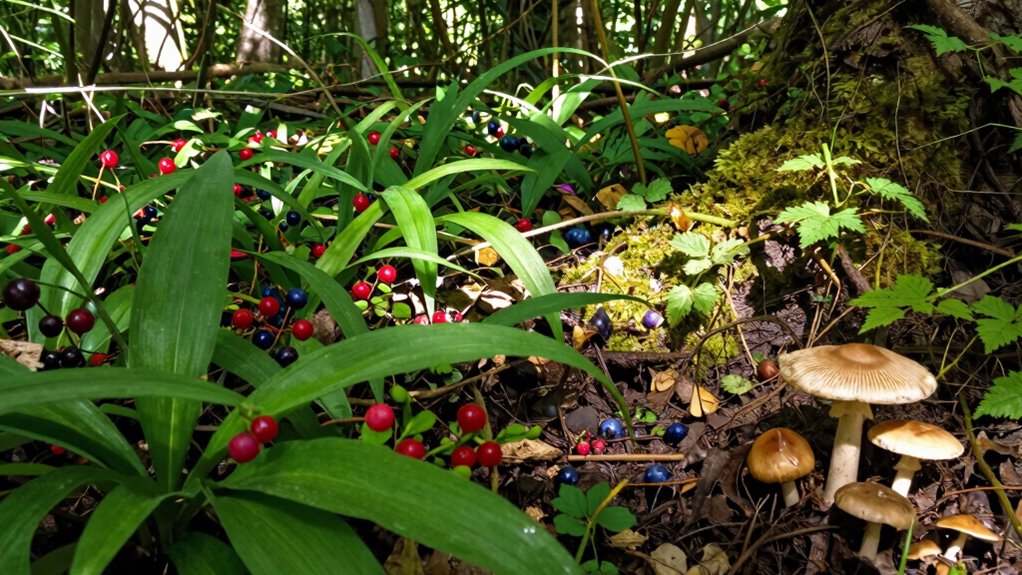

Many beginners think wild food is endlessly available and always in abundance, but that’s not true. Wild foods follow seasonal cycles, so certain plants only ripen at specific times each year. If you miss these windows, you’ll wait months for the next opportunity. Overharvesting during peak seasons can deplete local sources. To really understand wild food, you need to grasp these natural patterns—keep exploring, and you’ll discover how to harvest responsibly and sustainably.

Get garden gear delivered free with Prime
- Fast, free delivery on millions of items
- Prime Video, Amazon Music and more included
- Member-only deals all year
Key Takeaways
- Beginners often assume wild food is endlessly available regardless of season.
- They may overlook the importance of correct identification, risking toxicity.
- Many believe wild foods are abundant all year, ignoring seasonal fluctuations.
- Inexperience can lead to overharvesting during peak seasons, harming ecosystems.
- New foragers might not recognize the need for sustainable practices and respectful harvesting.
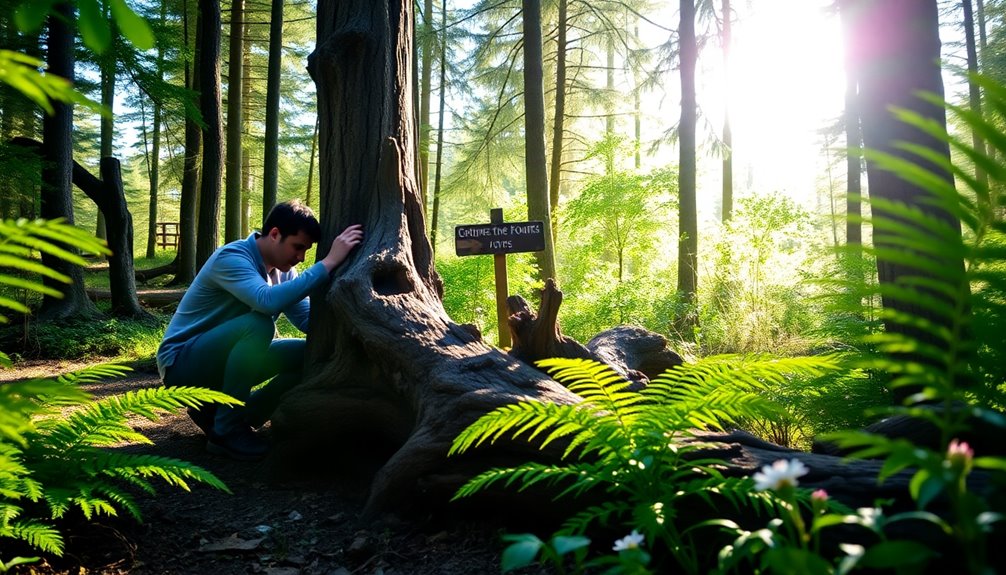
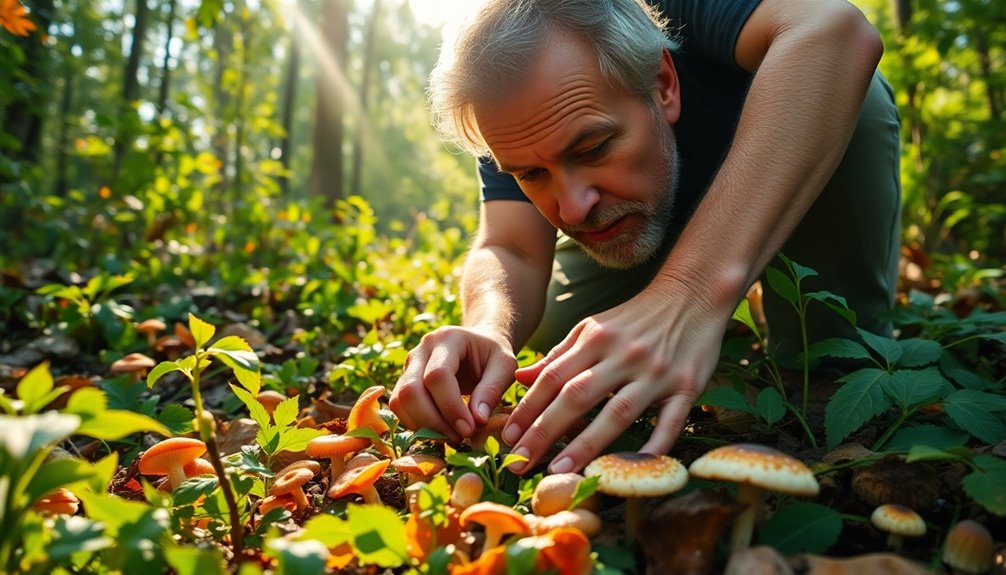
If you’re new to foraging, discovering wild food can seem intimidating, but it’s simpler than you might think. Many beginners assume that wild foods are everywhere and abundant year-round, but that’s a common misconception. The reality is that wild food availability fluctuates with seasonal variations, and understanding these patterns is vital to a successful and safe foraging experience. Foraging safety should always be your top priority. Just because something grows wild nearby doesn’t mean it’s safe to eat. Many edible plants have toxic look-alikes, so it’s essential to correctly identify what you’re gathering. Rushing into foraging without proper knowledge can lead to serious health risks. Taking the time to learn about the specific plants in your area, consulting reputable guides, and perhaps even going on guided foraging walks can help you avoid dangerous mistakes.
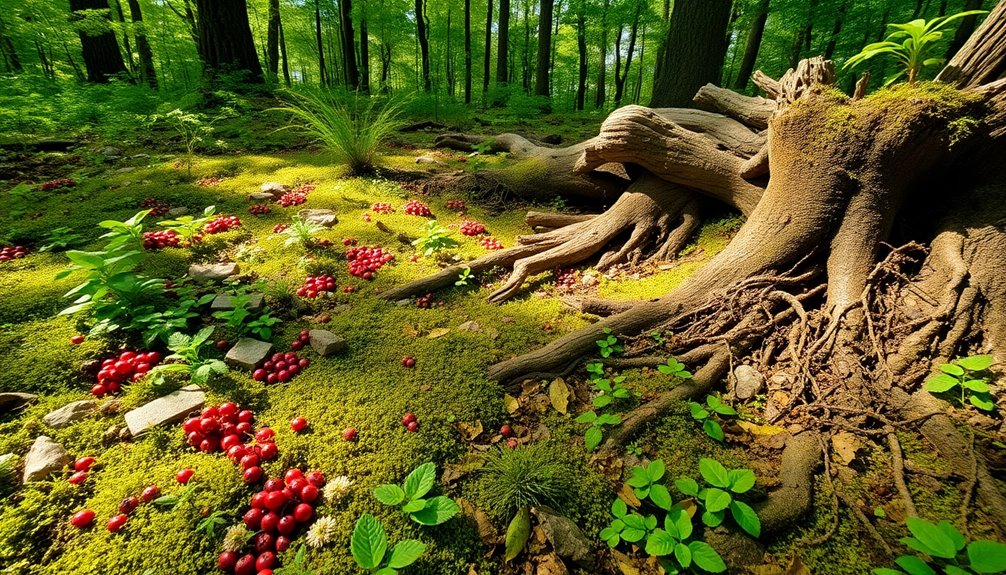
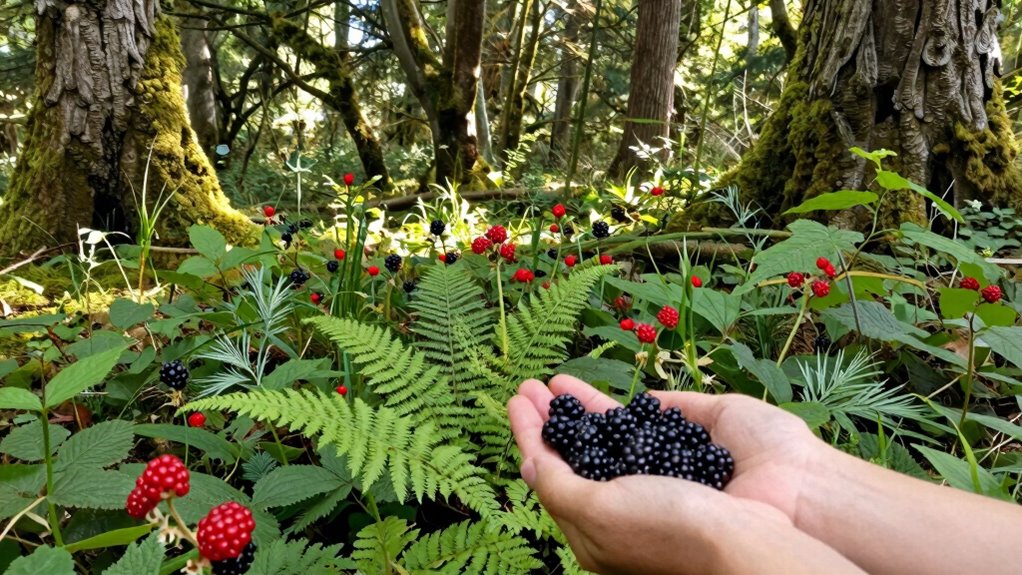
People often believe that wild food is endlessly plentiful, but nature’s bounty is actually quite seasonal. Certain plants and berries are only available at specific times of the year, and missing these windows means waiting months for the next opportunity. For example, many berries ripen in late summer, while early spring might be the best time for greens like wild spinach or dandelion leaves. This seasonal variation isn’t just about timing; it also affects the abundance you can expect. During peak seasons, you might find enough to gather for a meal or preserve for later, but during off-peak times, wild food can be scarce or less accessible. Recognizing these patterns helps you plan your foraging trips more effectively, ensuring you harvest when the plants are most plentiful and safe to consume. Additionally, understanding the topography and habitat of your area can help identify the most promising spots for foraging. Being aware of seasonal abundance can also help you manage your expectations and avoid disappointment. Knowing the plant growth cycles in your region can further enhance your foraging success and sustainability. Moreover, understanding the nutritional value of different wild foods can motivate more mindful harvesting practices.
Many beginners also misunderstand the extent of wild food abundance, thinking the wilderness offers an endless supply. In reality, sustainable foraging practices are essential to avoid depleting local resources. Overharvesting can damage plant populations and disturb ecosystems. Respect for nature means only taking what you need and leaving enough behind for wildlife and future seasons. It’s also helpful to learn about indigenous harvesting methods that promote conservation and respect for the land. This mindset not only preserves the environment but also guarantees that wild food remains available for generations to come. Remember that foraging isn’t just about finding food; it’s about connecting with nature responsibly. So, be patient, observe seasonal patterns, prioritize foraging safety, and practice sustainable harvesting. Doing so will help you enjoy the abundance of wild food without harming the environment or risking your health.
As an affiliate, we earn on qualifying purchases.
Frequently Asked Questions
How Do I Identify Edible Wild Plants Safely?
To identify edible wild plants safely, you should focus on accurate plant identification by using reliable field guides, apps, or consulting experienced foragers. Always double-check features like leaves, stems, and flowers. Follow safety precautions by never consuming a plant unless you’re 100% sure of its identity, and start with small quantities to test for reactions. Remember, when in doubt, it’s best to avoid eating unfamiliar plants altogether.
Are Wild Foods Available Year-Round in All Regions?
Wild foods aren’t available year-round everywhere because of seasonal variations and regional differences. In some regions, you might find edible plants and berries only during specific seasons, like summer or fall. Other areas may have a more consistent supply, but it still varies with climate and local ecosystems. To forage safely, learn about your region’s seasonal patterns and local edible plants, so you can enjoy wild foods responsibly throughout the year.
What Tools Are Essential for Foraging Wild Food?
You’ll need a good foraging basket or bag to carry your finds, a sharp knife for harvesting, and a field guide to identify wild foods accurately. A small hand lens can help examine plants closely, and gloves protect your hands. Always follow foraging safety tips to avoid toxic plants. With these tools, you can confidently gather wild food ingredients for delicious wild food recipes while staying safe.
Can I Harvest Wild Foods Sustainably Without Harming Ecosystems?
You can harvest wild foods sustainably, but it requires careful planning. By practicing ethical harvesting—like taking only what you need and avoiding overharvesting—you help preserve ecosystems. Pay attention to local regulations and seasonal cycles, ensuring you’re not disrupting plant populations. With mindful foraging, you protect the environment while enjoying wild foods, turning a simple harvest into a responsible act that supports ecosystem preservation and maintains nature’s balance.
How Do I Store Wild Foods to Prevent Spoilage?
To prevent spoilage, you should focus on effective wild food preservation techniques like freezing, drying, and canning. Store your foraged foods in airtight containers or vacuum-sealed bags to keep out moisture and air. Keep perishables refrigerated or frozen promptly, and dry herbs or mushrooms thoroughly before storage. Using these spoilage prevention techniques guarantees your wild foods stay fresh longer, maintaining their flavor, nutrients, and safety for future use.
Conclusion
Understanding wild food abundance isn’t about rushing or assuming. It’s about respecting the land, observing carefully, and learning patiently. It’s about recognizing opportunities, appreciating diversity, and practicing sustainability. By embracing curiosity, adopting caution, and fostering gratitude, you’ll develop a deeper connection with nature. Remember, wild food abundance isn’t a treasure to exploit but a gift to cherish. With respect, patience, and mindfulness, you’ll uncover the true richness of the wild.
Halloween Picks
halloween
As an affiliate, we earn on qualifying purchases.