Wild food education matters more than ever because it empowers you to make environmentally responsible choices and helps protect biodiversity during urgent ecological challenges. By understanding plant cycles, seasonal changes, and wildlife habitats, you can harvest responsibly and avoid harming rare or endangered species. This knowledge promotes conservation, eco-friendly living, and resilience in times of crisis. If you keep exploring, you’ll discover how this essential awareness can shape a healthier, more sustainable future for everyone.
Key Takeaways
- It promotes responsible foraging that protects ecosystems and prevents overharvesting of endangered plants.
- Enhances ecological literacy, fostering sustainable interactions with natural environments.
- Supports biodiversity conservation by encouraging stewardship and habitat preservation.
- Provides resilient, locally-sourced food options amid global food security challenges.
- Inspires environmental awareness and community engagement for a sustainable future.
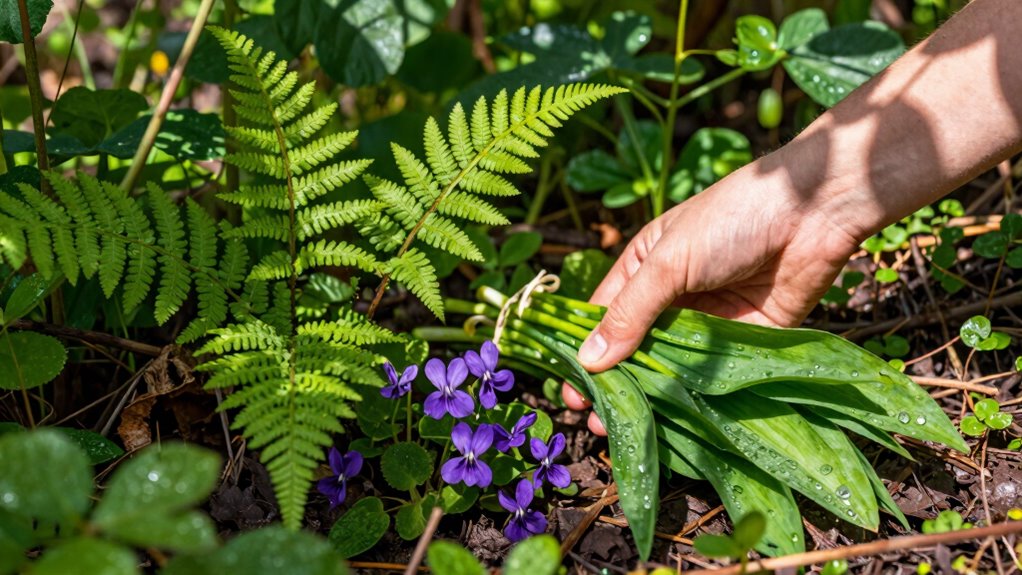
In a world where processed foods dominate our diets and environmental challenges intensify, learning to identify and forage wild foods is more essential than ever. Wild food education empowers you to connect with nature on a deeper level, fostering sustainable foraging practices that protect ecosystems rather than deplete them. When you develop ecological awareness, you become more conscious of how your actions impact the environment. This knowledge encourages responsible harvesting—taking only what is needed and leaving enough behind for nature to regenerate—helping ensure wild populations remain healthy and resilient.
By learning to forage sustainably, you reduce your reliance on commercial agriculture, which often involves heavy use of chemicals, water, and energy. Wild foods grow naturally, requiring no artificial inputs, making them a more eco-friendly choice. You might discover edible plants, berries, or fungi that grow abundantly in your region, offering nutritious options without the environmental costs associated with mass farming. This shift toward sustainable foraging not only benefits the planet but also gives you access to fresher, more flavorful foods directly from nature. Understanding ecosystem balance is crucial to maintaining healthy environments while foraging. Developing ecological awareness also involves recognizing the importance of biodiversity and how diverse ecosystems sustain resilient food sources.
Ecological awareness plays a crucial role in wild food education because it teaches you to read and interpret the natural environment accurately. Recognizing plant cycles, understanding seasonal changes, and respecting wildlife habitats ensure you forage ethically and safely. This awareness helps you avoid overharvesting and prevents damage to delicate ecosystems. As you learn to identify which plants are abundant and which are rare or endangered, you develop a sense of stewardship that extends beyond just gathering food—you’re actively contributing to conservation efforts. Additionally, supporting local ecosystems through responsible foraging helps maintain biodiversity and ecosystem health. Cultivating ecological literacy enhances your ability to make informed decisions that benefit the environment.
Furthermore, wild food education cultivates resilience and self-sufficiency. When you know how to find and prepare wild edibles, you gain a valuable skill in times of crisis or food scarcity. You become less dependent on commercial supply chains and more connected to the land that sustains you. This knowledge fosters a sense of independence and strengthens community bonds as you share foraging tips and resources with others who seek a more sustainable lifestyle. Practicing sustainable foraging also involves understanding how to manage resources responsibly to ensure long-term availability of wild foods.
Ultimately, learning about wild foods isn’t just about nutrition; it’s about cultivating a respectful, informed relationship with nature. As you become more ecologically aware and committed to sustainable foraging, you help preserve biodiversity and promote healthier ecosystems. In a rapidly changing world, wild food education becomes an act of environmental stewardship—empowering you to make smarter choices that benefit both your health and the planet.

Edible Wild Plants, Volume 2: Wild Foods from Foraging to Feasting (Wild Food Adventure)
As an affiliate, we earn on qualifying purchases.
As an affiliate, we earn on qualifying purchases.
Frequently Asked Questions
How Can Wild Food Education Improve Local Ecosystems?
Wild food education can improve local ecosystems by teaching you wild plant identification, which promotes sustainable harvesting. As you learn to recognize and gather native plants responsibly, you contribute to ecosystem restoration by preventing overharvesting and encouraging biodiversity. Your knowledge helps maintain healthy habitats, supports pollinators, and reduces reliance on cultivated foods. Ultimately, this education fosters a deeper connection with nature, empowering you to protect and sustain local ecosystems effectively.
What Are the Legal Considerations for Foraging Wild Foods?
Imagine stumbling upon a hidden patch of wild berries—you need to know the legal regulations first. You should check local laws and obtain foraging permits if required, as regulations vary by region. Respect private property, avoid protected species, and follow sustainable foraging practices. Staying informed guarantees you enjoy wild foods responsibly, preventing legal issues and helping conserve ecosystems for future foragers.
How Does Wild Food Knowledge Support Food Security?
Wild food knowledge boosts food security by helping you access diverse, locally available resources, especially in emergencies. It supports cultural preservation and traditional practices, keeping ancestral skills alive. When you learn to identify and harvest wild foods sustainably, you reduce dependence on store-bought items, ensuring a more resilient food system. This knowledge empowers you to adapt to changing environments, safeguarding both your community’s nourishment and cultural heritage.
Can Wild Food Education Be Adapted for Urban Environments?
Urban foraging transforms city greenery into a treasure trove, proving wild food education can definitely adapt to city life. You can teach others how to identify edible plants in parks, vacant lots, and even roadside verges. By integrating wild food lessons into urban settings, you help people connect with nature right outside their doorstep, fostering sustainability and resilience. It’s like turning every concrete jungle into a thriving edible paradise.
What Are the Potential Health Risks of Foraging Without Proper Training?
Foraging without proper training can expose you to serious health risks, like poisoning from misidentification of plants. Poisonous plants can look similar to edible ones, so misidentification dangers are real and dangerous. Without the right knowledge, you might accidentally consume toxic species, leading to symptoms ranging from nausea to severe illness or even death. Proper education helps you recognize safe plants and avoid these risks, ensuring a safe foraging experience.
Conclusion
You now realize that wild food education isn’t just about foraging; it’s about reconnecting with nature and ensuring our survival. Did you know that 70% of the world’s food comes from just 12 plant species? By learning to identify and harvest wild foods responsibly, you’re helping to preserve biodiversity and build resilience in your community. So, embrace this knowledge—because in a changing world, understanding wild foods could be the key to thriving.