
TL;DR

Get garden gear delivered free with Prime
- Fast, free delivery on millions of items
- Prime Video, Amazon Music and more included
- Member-only deals all year
LEGO has introduced a new line of brick-built houseplants, attracting attention from collectors and plant enthusiasts. This development raises questions about the appeal and practicality of brick-built versus real plants. The trend’s popularity is driven by social media and design communities, but its long-term impact remains uncertain.
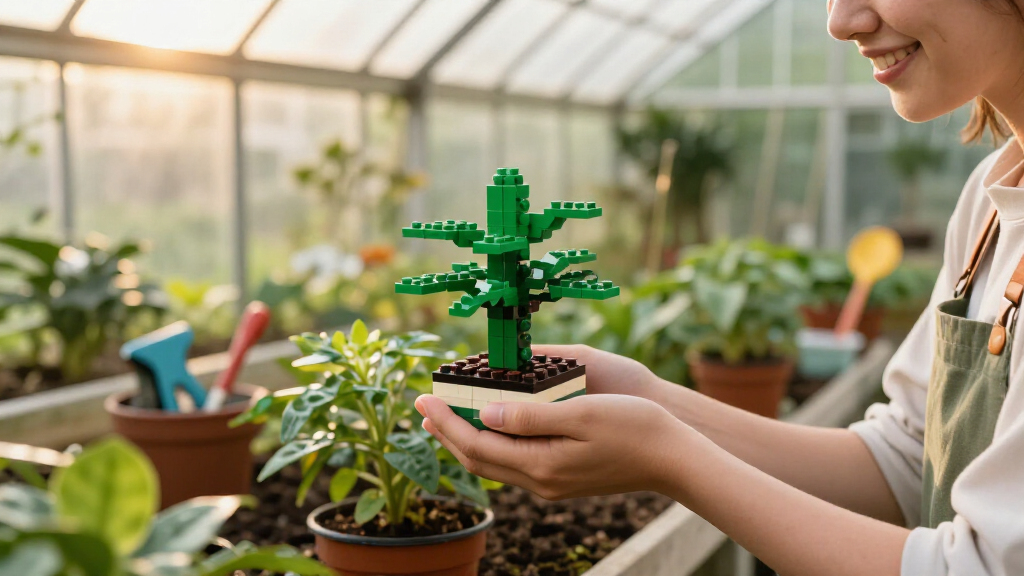
LEGO has unveiled a new line of brick-built houseplants, designed to mimic real plants with detailed, miniature constructions. The release has generated significant attention across social media platforms and among collectors, raising questions about whether these artificial plants can rival the aesthetic and functional qualities of actual greenery. This development is notable because it reflects a broader trend of integrating playful, customizable decor into home environments, while also sparking debate about the value of physical, living plants versus durable, decorative replicas.
The new LEGO houseplant collection features a variety of popular indoor plants, including succulents, ferns, and flowering varieties. Each set is designed with intricate pieces to replicate the appearance of real foliage, with some models including small flower accents and textured leaves. The sets are marketed as both decorative objects and creative building experiences, appealing to both LEGO enthusiasts and interior design fans.
According to LEGO, the collections aim to combine the joy of building with the aesthetic appeal of houseplants, offering a maintenance-free alternative to real greenery. The sets are available for purchase online and in select retail stores, with prices ranging from $15 to $40 depending on complexity and size. The trend appears to be gaining traction on social media, where users share photos of their brick-built greenery integrated into home decor.
Experts note that while real plants offer benefits like air purification and psychological well-being, brick-built plants provide a durable, mess-free option that can be customized and rearranged easily. Some interior designers see potential in using these models as temporary or seasonal decor, especially in environments where maintaining live plants is challenging.
Why Brick-Built Houseplants Matter in Modern Decor
The introduction of LEGO’s brick-built houseplants signifies a shift in how people approach home decor and plant care. For consumers, these models offer a low-maintenance, customizable alternative to living plants, which require watering, sunlight, and ongoing care. They also serve as a form of creative expression, allowing users to build and modify their own miniature greenery.
From a broader perspective, this trend highlights the increasing role of decorative replicas in interior design, especially as urban living spaces become smaller and more constrained. It may influence the market for artificial plants and inspire further innovation in home accessories that blend play, art, and functionality. However, some critics argue that these models could diminish appreciation for real plants and their ecological benefits, raising questions about the long-term cultural impact.
As an affiliate, we earn on qualifying purchases.
Growing Interest in Artificial and LEGO Plants
The trend of using artificial plants in interior spaces has been growing steadily over the past decade, driven by urbanization and the desire for low-maintenance decor. Meanwhile, LEGO’s recent focus on plant-themed sets aligns with a broader surge in interest around customizable, playful home accessories. Search interest and media coverage about LEGO’s plant sets have spiked recently, although the initial trigger remains unconfirmed and appears to be part of a larger pattern of increasing consumer curiosity about creative, durable decor options.
Historically, LEGO has expanded its product lines to include more lifestyle-oriented sets, and the plant collection fits into this strategy. The trend also coincides with a rise in social media content showcasing innovative home styling, where brick-built and artificial plants are often featured as stylish, conversation-starting elements.
Unanswered Questions About Long-Term Appeal and Impact
It is not yet clear how consumers will value brick-built houseplants over time, especially regarding their durability, aesthetic appeal, and ecological benefits. The long-term popularity of these models remains uncertain, as does their impact on real plant care habits and environmental awareness. Additionally, the extent to which this trend will influence the broader decor market or replace live plants is still developing and unconfirmed.
Upcoming Developments and Market Response
Following the launch, industry analysts expect continued social media buzz and user-generated content showcasing creative uses of brick-built plants. Retailers may expand the collection based on consumer feedback, and further integration of these models into home decor trends could emerge. Monitoring sales figures and online engagement over the coming months will be key to understanding this trend’s staying power.
Key Questions
Are LEGO houseplants suitable for all types of indoor decor?
Yes, their customizable design allows them to fit a variety of interior styles, from modern minimalism to eclectic decor. However, their aesthetic may not appeal to everyone, especially those favoring traditional or botanical authenticity.
Do LEGO brick-built plants offer any ecological benefits?
No, unlike real plants, brick-built models do not improve air quality or support local ecosystems. They are purely decorative and do not provide ecological benefits.
Can brick-built plants be used outdoors?
LEGO sets are generally designed for indoor use. Exposure to weather elements could damage the models, so they are best kept indoors or in sheltered environments.
Will the popularity of brick-built plants reduce interest in real plants?
It is too early to tell. While these models may serve as substitutes in some contexts, many experts believe real plants will continue to be valued for their ecological and psychological benefits.
Source: rss
Fall Picks
fall essentials
As an affiliate, we earn on qualifying purchases.