To store wild foods effectively, use root cellars, sand buckets, and jars to keep your harvest fresh and flavorful. A root cellar provides a cool, humid environment naturally, while sand buckets help maintain moisture and prevent shriveling of roots and greens. Jars are perfect for fermenting or pickling, extending shelf life and preserving nutrients. Combining these methods empowers your self-sufficiency—discover more ways to maximize your wild food storage techniques.

Get garden gear delivered free with Prime
- Fast, free delivery on millions of items
- Prime Video, Amazon Music and more included
- Member-only deals all year
Key Takeaways
- Root cellars provide natural, energy-efficient storage by maintaining cool, humid conditions ideal for preserving wild foods.
- Sand buckets create microclimates that keep root vegetables and greens fresh, preventing shriveling.
- Jars enable airtight fermentation and pickling, extending shelf life and enhancing flavors of fermented fungi and vegetables.
- Combining root cellars, sand buckets, and jars enhances food sovereignty by reducing reliance on commercial preservation methods.
- Fermentation of wild fungi using jars adds probiotic benefits and creates new flavorful, long-lasting food options.

If you’re foraging for wild foods, knowing how to properly store your harvest can make all the difference in preserving its flavor and nutrition. Storage isn’t just about keeping things safe—it’s about reclaiming control over your food, extending its life, and releasing its full potential. Fermentation techniques are a powerful tool in this pursuit, especially when it comes to edible fungi preservation. Instead of letting mushrooms go bad or lose their potency, you can ferment them to develop new flavors, preserve their nutrients, and enjoy them long after the harvest. Fermentation allows you to transform fungi into tangy, probiotic-rich treats that support your health and freedom from reliance on commercial products.
Ferment wild fungi to preserve nutrients, develop flavors, and enjoy homemade, probiotic-rich treats.
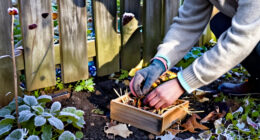
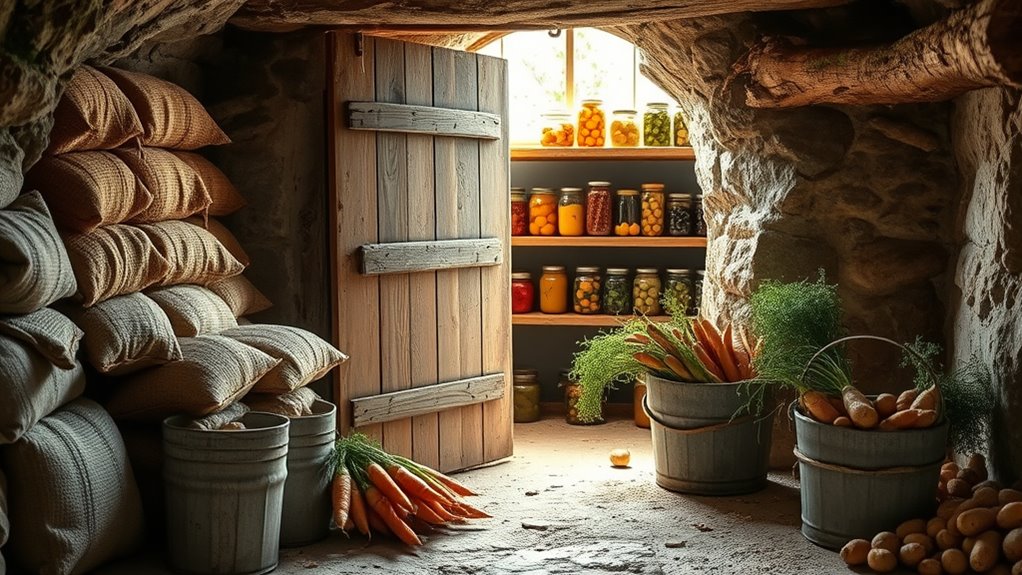
Beyond fermenting, traditional methods like root cellars provide a natural, energy-efficient way to store roots, tubers, and hardy vegetables. By digging into the earth and creating a cool, humid environment, you tap into a primal form of preservation that’s been used for centuries. Root cellars keep your harvest at an ideal temperature and humidity level, slowing decomposition and maintaining freshness. This method grants you independence from electricity and refrigeration, empowering you with self-sufficiency and a deeper connection to nature’s cycles.
Sand buckets offer another smart storage solution, especially for root vegetables and certain greens. Filling buckets with clean, moist sand creates a microclimate that keeps produce cool and prevents shriveling. You can keep these buckets in a cellar, basement, or any cool, dark space, giving your food a stable environment that preserves its texture and flavor. This simple yet effective approach frees you from the confines of supermarket packaging, letting you store large quantities of food on your own terms.
Jars—particularly glass ones—are versatile for preserving a wide range of wild foods. From pickled herbs to fermented vegetables, jars allow you to control the environment and prevent spoilage. When it comes to edible fungi, jars are ideal for fermentation, as they create an airtight environment that promotes beneficial bacteria growth. This method enhances flavors, boosts nutrition, and offers a satisfying way to extend your food’s shelf life. Plus, jars are portable and reusable, reinforcing your commitment to sustainable, liberated living.
Ultimately, mastering these storage techniques—root cellars, sand buckets, and jars—gives you the power to preserve your wild harvest with confidence. When combined with fermentation techniques, you emancipate new dimensions of edible fungi preservation and food sovereignty. It’s about reclaiming your right to nourish yourself on your own terms, reducing dependence on external systems, and forging a deeper, more liberated relationship with nature’s abundance.
As an affiliate, we earn on qualifying purchases.
Frequently Asked Questions
How Long Can Different Wild Foods Be Stored Safely?
You can store wild foods safely for varying durations with proper fermentation techniques and preservation methods. Root vegetables may last several months, while fermented foods like sauerkraut stay good for up to a year. Dried herbs and berries can last even longer, often over a year. Embrace wild food preservation by experimenting with fermentation and storage techniques, freeing yourself from reliance on commercial options and enjoying your harvest whenever you choose.
What Are the Best Conditions for Long-Term Wild Food Storage?
You want your wild foods to last, so keep the temperature cool and steady, ideally around 35-40°F, and control humidity to prevent mold and spoilage. Store roots in a dark, well-ventilated space, and use airtight jars or sand buckets to maintain freshness. By managing temperature and humidity, you free yourself from food worries, empowering you to enjoy your harvest longer and embrace self-sufficient living with confidence.
How Do I Prevent Spoilage in Root Cellars and Jars?
Think of your root cellar like a fortress against spoilage. To keep it strong, you control moisture and regulate temperature—think of it as armor. Use vents or insulation to prevent excess moisture and keep temperatures steady, avoiding fluctuations that invite mold or rot. In jars, always guarantee a proper seal and dry storage environment. This way, you’re liberated from spoilage, confidently storing your wild harvest for months.
Are There Specific Wild Foods That Shouldn’t Be Stored?
You should avoid storing poisonous wild plants like foxglove or deadly mushrooms, as they pose serious health risks. Also, steer clear of endangered wild foods to help preserve nature’s balance and your access to these treasures. Instead, focus on safe, abundant wild foods that you can store responsibly, empowering yourself to enjoy your harvest while respecting the environment’s delicate balance. This way, you stay liberated and connected to nature’s bounty.
How Can I Tell if Stored Wild Food Is Still Safe to Eat?
Think of your stored wild foods as treasures in a hidden chest; you’ll notice spoilage indicators like mold, foul odors, or slimy textures that tell you to steer clear. Trust your senses—if it looks, smells, or feels off, it’s time to discard. Safe storage practices, like keeping foods cool, dry, and sealed, protect your bounty. Stay vigilant, and your wild harvest will nourish and empower you for whatever lies ahead.
Conclusion
Think of wild food storage like tending a garden—you need the right tools and a little patience. Whether you’re building root cellars, filling sand buckets, or sealing jars, each method helps preserve nature’s bounty for when you need it most. By mastering these techniques, you keep your pantry as reliable as a trusted friend. Stay prepared, stay connected to the land, and enjoy wild foods all year round—like treasures buried just beneath the surface.
Halloween Picks
halloween
As an affiliate, we earn on qualifying purchases.