TL;DR

Get garden gear delivered free with Prime
- Fast, free delivery on millions of items
- Prime Video, Amazon Music and more included
- Member-only deals all year
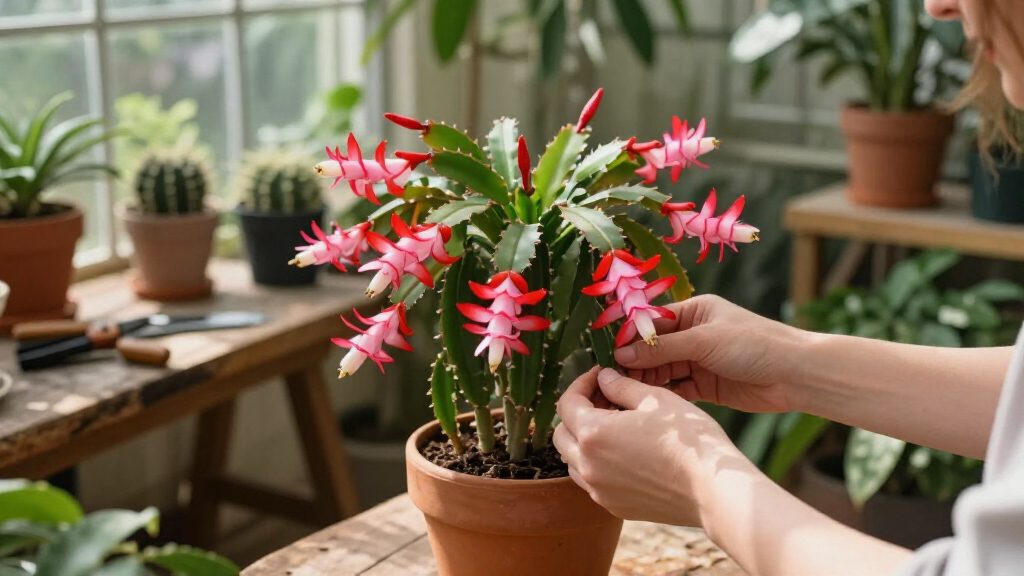
Garden enthusiasts are sharing a straightforward fall technique that helps Christmas cacti bloom in time for Christmas. This method is gaining popularity online, though its effectiveness remains anecdotal. The trend highlights interest in easy, natural ways to enhance holiday plant displays.
Garden enthusiasts are increasingly discussing a simple fall technique that reportedly encourages Christmas cacti to bloom in time for the holiday season. This trend, observed through rising online searches and social media shares, suggests that a straightforward care adjustment might help gardeners achieve festive blooms without complex interventions.
The method involves reducing watering and increasing exposure to cooler temperatures and indirect light during the fall months. According to anecdotal reports, these conditions mimic the plant’s natural environment and can trigger flowering. While some gardeners claim success with this approach, there is no formal scientific validation yet. The trend appears to have gained momentum through gardening forums and social media posts, where users share their experiences and variations of the technique.
Experts note that Christmas cacti (Schlumbergera bridgesii) are native to tropical rainforests but are responsive to environmental cues such as light and temperature. Proper care typically involves bright, indirect light and moderate watering, but specific triggers for flowering include a period of cooler temperatures and shorter daylight hours, which this fall trick aims to replicate. However, the effectiveness of this simple method is still being evaluated, and results may vary based on individual plant conditions and local climate.
Why This Simple Trick Could Boost Holiday Plant Displays
This trend is significant because it offers a low-cost, natural way for gardeners and homeowners to enhance their holiday decor with blooming plants. Encouraging Christmas cacti to flower during the festive season can improve aesthetic appeal and foster a sense of achievement among plant enthusiasts. Additionally, understanding and applying simple environmental cues can improve overall plant health and flowering success, potentially reducing reliance on artificial decorations.
While the technique is not yet scientifically proven, its popularity underscores a broader interest in sustainable, easy-care gardening practices. If validated, it could become a standard recommendation for holiday plant care, making festive gardening more accessible and rewarding for a wide audience.
As an affiliate, we earn on qualifying purchases.
Environmental Cues and Traditional Flowering Triggers for Christmas Cacti
Christmas cacti are native to the tropical rainforests of Brazil, where they grow as epiphytes on trees. In cultivation, they are known for their vibrant, tubular flowers that bloom around the holiday season. Traditionally, growers induce flowering by manipulating light exposure—specifically, providing a period of darkness each night for several weeks—along with temperature control. These methods mimic the natural seasonal cues that trigger flowering in their native habitat.
The recent trend appears to be a simplified approach, focusing on reducing watering and adjusting temperature and light during fall. While these cues align with known flowering triggers, the effectiveness of this specific method remains anecdotal. Historically, professional growers have used more controlled techniques, but many home gardeners seek accessible alternatives. The rising interest in this simple fall trick may reflect a desire for easy, natural solutions that fit into regular household routines.
Effectiveness and Scientific Validation of the Fall Trick
While many gardeners report success with this fall care method, there is no formal scientific study confirming its effectiveness. Results may depend on individual plant health, local climate, and adherence to the care adjustments. It remains unclear whether this technique reliably induces flowering across different environments or is primarily anecdotal.
Researchers and horticulturists have yet to evaluate this specific approach in controlled settings, so its universal applicability is still uncertain. Further studies are needed to determine the precise environmental thresholds and timing required for consistent flowering.
Monitoring Results and Scientific Testing of the Technique
Plant experts and researchers are expected to conduct controlled experiments to validate this fall trick’s effectiveness. Meanwhile, gardeners are encouraged to document their experiences and share outcomes to help build a broader understanding of the method’s success rate. As the holiday season approaches, many will continue experimenting with environmental adjustments to optimize flowering.
In the coming weeks, horticultural organizations may issue more formal guidance based on ongoing observations and research. For now, gardeners can try the technique at their own risk, noting that individual results may vary.
Key Questions
Can I use this fall trick on any Christmas cactus?
This method is generally aimed at Schlumbergera bridgesii, the common Christmas cactus. While similar species like Thanksgiving or Easter cacti may respond, results are not guaranteed. It’s best to tailor care to your specific plant and observe its response.
How long should I keep the cooler temperatures and reduced watering?
Most reports suggest maintaining these conditions for about 4 to 6 weeks during fall, starting around September or October. Consistency is key, but individual plant responses may vary.
Does this method require complete darkness at night?
No, the trend focuses on reducing watering and exposure to cooler, indirect light rather than strict darkness. Traditional flowering techniques often involve complete darkness, but this simplified approach relies on environmental cues that are easier to manage at home.
Will this trick harm my Christmas cactus?
If done carefully, reducing watering and adjusting light and temperature should not harm the plant. Overly cold temperatures or excessive dryness could stress the plant, so it’s important to monitor and avoid extreme conditions.
Is there scientific evidence supporting this trick?
Currently, there is no scientific research explicitly validating this fall technique. Most evidence is anecdotal, and further studies are needed to confirm its effectiveness.
Source: rss
Evergreen bestsellers Picks
bestsellers
As an affiliate, we earn on qualifying purchases.