TL;DR

Get garden gear delivered free — and shop member deals
- Fast, free delivery on millions of items
- Access to Prime Big Deal Days deals on October 6–7
- Prime Video, Amazon Music and more included
Interest in managing the harlequin cabbage bug is rising among gardeners. This article details how to identify the pest and offers proven organic control methods. Development of new control strategies is ongoing, with some claims yet to be confirmed.
The harlequin cabbage bug, a pest known for damaging cruciferous crops, is gaining increased attention among gardeners and organic farmers. Experts confirm that accurate identification and organic control methods are essential to managing this pest effectively, especially as interest in sustainable gardening grows.
The harlequin cabbage bug, scientifically known as Murgantia histrionica, is a brightly colored pest characterized by its distinctive black, orange, and white markings. It primarily targets plants in the Brassicaceae family, including cabbage, broccoli, kale, and other crucifers. Recent online searches and gardening forums indicate a surge in interest around this pest, driven by reports of infestations in home gardens and organic farms.
Confirmed identification involves recognizing its vivid coloration and distinctive markings. Adults are about 1/2 inch long, with a flattened oval shape, and display a striking pattern that resembles a harlequin costume. Nymphs are smaller and often more brightly colored, making early detection critical for effective control. Experts emphasize that misidentification can lead to ineffective treatments, so proper identification is crucial.
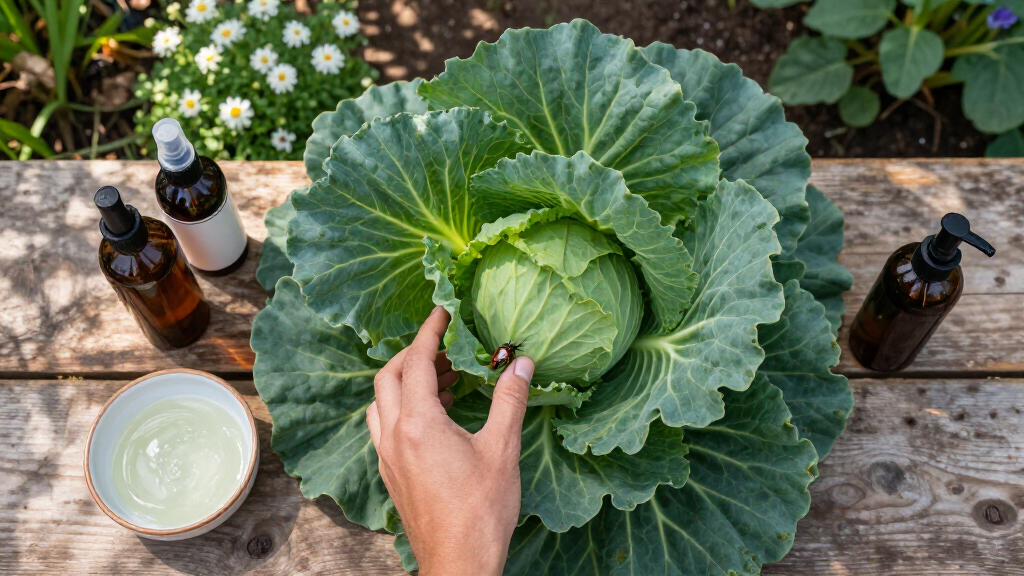
Organic control methods confirmed by horticultural experts include manual removal, use of insecticidal soaps, neem oil applications, and encouraging natural predators such as lady beetles and parasitic wasps. These methods have been demonstrated to reduce pest populations without harming beneficial insects or the environment. However, the effectiveness of these controls can vary based on infestation level and environmental conditions, and ongoing research is exploring additional strategies.
Why Managing the Harlequin Cabbage Bug Matters for Organic Gardens
As interest in organic gardening and sustainable pest management increases, understanding how to identify and control the harlequin cabbage bug becomes vital for gardeners aiming to protect their crops without synthetic pesticides. Effective organic controls can help prevent crop loss, reduce chemical use, and promote healthier ecosystems. The rising coverage indicates that this pest is becoming a common challenge for small-scale growers and home gardeners alike, underscoring the importance of accessible, eco-friendly management strategies.
organic insecticidal soap for garden pests
As an affiliate, we earn on qualifying purchases.
As an affiliate, we earn on qualifying purchases.
Background and Growing Attention to the Pest
The harlequin cabbage bug has been a known pest in the southern United States for decades, but recent reports suggest its range may be expanding, possibly due to climate change and increased planting of cruciferous vegetables. The pest’s distinctive appearance makes it easy to identify, but misidentification remains common among novice gardeners. The current spike in coverage and search interest appears linked to anecdotal reports of infestations and discussions on gardening forums, although no formal outbreak has been officially declared.
Historically, control of this pest relied heavily on chemical pesticides, but organic gardeners have sought non-chemical options due to environmental concerns. The pest’s feeding behavior causes damage to leaves and developing heads, impacting crop yields and quality. Recent research highlights the potential of biological control agents, but widespread adoption is still in progress, and claims of new organic methods are under evaluation.
Unconfirmed Claims and Ongoing Research on Control Strategies
While organic control methods such as insecticidal soaps, neem oil, and biological agents are recommended, their consistent effectiveness across different environments remains unconfirmed. Claims of new natural predators or innovative organic treatments are still under investigation, and no definitive breakthrough has been announced. The extent of the pest’s range expansion and potential resistance development also remain unclear, requiring further study.
Next Steps in Monitoring and Managing the Pest
Researchers and extension services plan to conduct field trials to evaluate the efficacy of various organic control methods under different conditions. Gardeners are advised to monitor their crops regularly, correctly identify the pest, and apply integrated management strategies. As new information emerges, updates on best practices and biological control options are expected to be published, aiding growers in sustainable pest management.
Key Questions
How can I identify the harlequin cabbage bug?
The adult harlequin cabbage bug is about 1/2 inch long with a flattened oval shape, featuring bright black, orange, and white markings that resemble a harlequin costume. Nymphs are smaller and often more brightly colored. Recognizing these distinctive patterns is key to correct identification.
What organic methods are effective against this pest?
Confirmed organic controls include manual removal, insecticidal soaps, neem oil applications, and encouraging natural predators like lady beetles and parasitic wasps. These methods can reduce pest populations without harming beneficial insects.
Is the harlequin cabbage bug a new problem?
The bug has been present in the southern U.S. for decades, but recent coverage suggests increased concern due to reports of infestations and possible range expansion. Ongoing research aims to better understand its spread and management.
Are there any new organic control options on the horizon?
Current research is exploring biological control agents and natural predators, but no new methods have been officially confirmed or widely adopted yet. Gardeners should rely on established organic practices while monitoring ongoing studies.
What should I do if I find this pest in my garden?
Identify the pest accurately, manually remove visible bugs, apply organic insecticidal soaps or neem oil, and promote natural predators. Consistent monitoring and integrated pest management are recommended to keep infestations under control.
Source: rss
Fall yard work Picks
leaf blowers
As an affiliate, we earn on qualifying purchases.