
Calendula and plantain make a great pairing because their combined properties boost skin healing more effectively than alone. Calendula reduces inflammation, fights germs, and promotes regeneration, while plantain draws out toxins, soothes irritation, and speeds up tissue repair. Together, they target multiple skin issues, lower discomfort, and help prevent scarring. Their synergy results in a gentle, natural healing boost perfect for various minor skin problems. Keep exploring to discover how this powerful duo can support your skin recovery.

Get garden gear delivered free with Prime
- Fast, free delivery on millions of items
- Prime Video, Amazon Music and more included
- Member-only deals all year
Key Takeaways
- Their complementary properties enhance overall skin healing and reduce inflammation more effectively together.
- Calendula stimulates regeneration while plantain draws out toxins and soothes inflammation.
- The combination targets multiple skin issues, including wounds, burns, and irritations.
- Both herbs are gentle, safe for sensitive skin, and minimize side effects compared to synthetic remedies.
- Their synergy promotes faster recovery, prevents infection, and supports natural tissue repair.
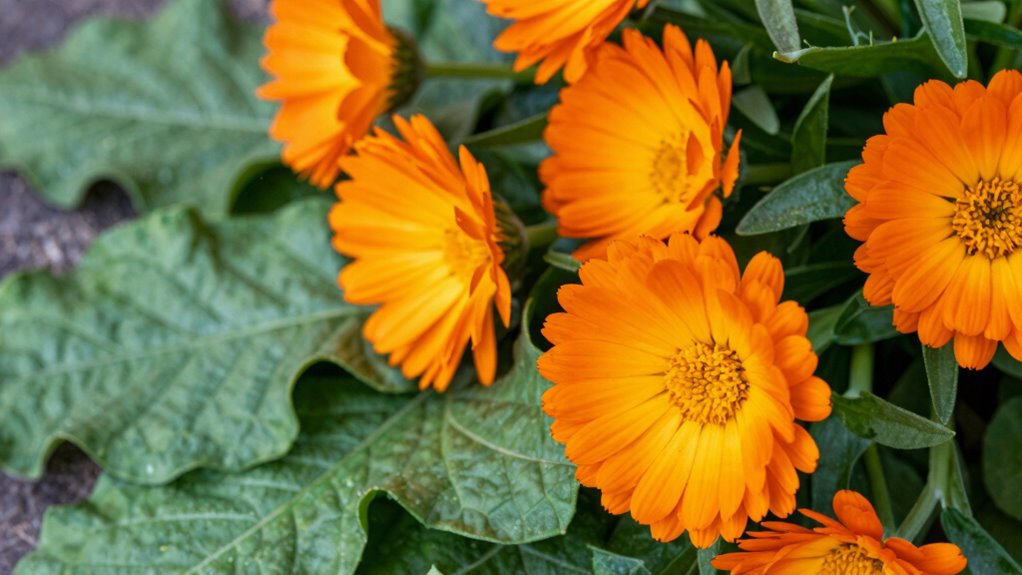
Have you ever wondered why calendula and plantain often appear together in herbal remedies? It’s because they create a powerful herbal synergy that enhances their individual benefits, especially for skin healing. When combined, these herbs work more effectively than alone, providing a thorough approach to soothing and repairing damaged skin. This pairing is popular in salves, ointments, and poultices because it leverages their complementary properties to accelerate recovery and reduce discomfort.
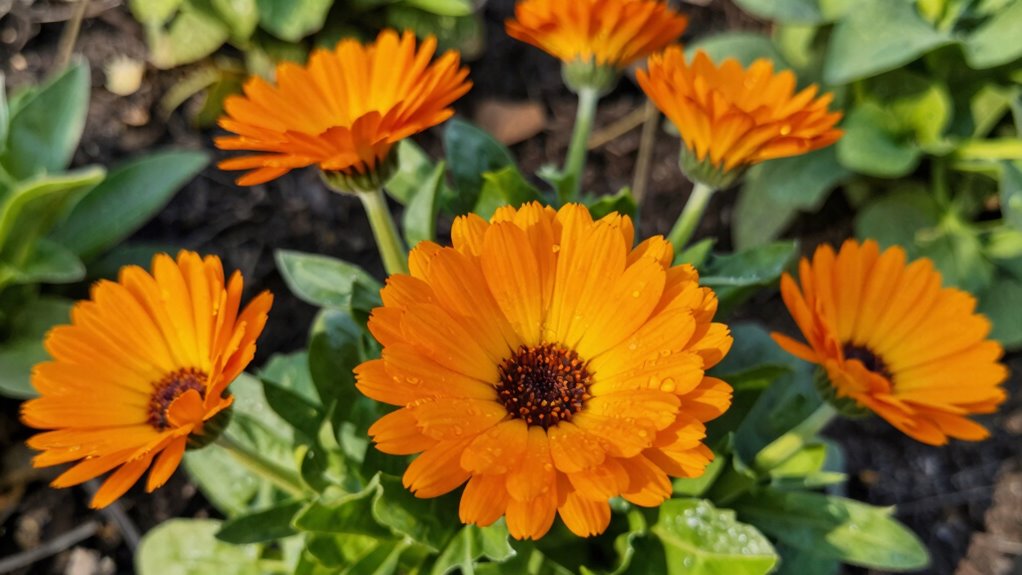
Calendula, known for its vibrant orange flowers, has long been celebrated for its anti-inflammatory and antimicrobial qualities. It stimulates skin regeneration, making it ideal for cuts, burns, and irritated skin. Plantain, on the other hand, is a common weed with impressive healing properties. Its leaves contain compounds that draw out toxins, soothe inflammation, and promote tissue repair. Together, they form a natural duo that targets various skin issues effectively. You’ll notice that the combination not only speeds up healing but also helps prevent infection and minimizes scarring.
Calendula and plantain together enhance skin healing, prevent infection, and reduce scarring naturally.
The herbal synergy between calendula and plantain isn’t accidental; it’s rooted in their ability to address multiple aspects of skin healing. Calendula’s ability to boost cell growth pairs well with plantain’s anti-inflammatory and antimicrobial effects. When used together, they provide a broad spectrum of action—reducing redness, swelling, and pain while encouraging new tissue formation. This makes their pairing especially useful for minor wounds, insect bites, rashes, and skin irritations. You might find that applying a combined herbal preparation eases discomfort more quickly than using either herb alone.
Additionally, both herbs are gentle and suitable for sensitive skin, making their combination a safe choice for a variety of users. Their natural properties also mean fewer side effects compared to synthetic remedies. Incorporating these herbs into natural first aid kits can be a practical and effective way to support healing. You can incorporate calendula and plantain into your herbal first aid kit with confidence, knowing they work in harmony to support your skin’s natural healing process. Their ability to complement each other results in a more potent remedy that maximizes healing potential and minimizes the risk of complications. Moreover, understanding their herbal synergy can help you select more effective natural treatments.
In short, the reason calendula and plantain are such a useful pairing boils down to their herbal synergy—each enhancing the other’s strengths for skin healing. Their combined effects help you manage skin issues more effectively, promoting faster recovery and healthier skin overall. Whether you’re dealing with minor cuts or irritated skin, this herbal duo offers a natural, effective solution rooted in traditional remedies and supported by modern herbal knowledge.
Calendula and Plantain herbal salve
As an affiliate, we earn on qualifying purchases.
As an affiliate, we earn on qualifying purchases.
Frequently Asked Questions
Can Calendula and Plantain Be Used Together on Open Wounds?
Yes, you can use calendula and plantain together on open wounds. Their herbal synergy boosts natural healing by reducing inflammation and fighting infection. Calendula’s antiseptic properties help clean the wound, while plantain’s soothing and anti-inflammatory effects promote tissue repair. Applying a gentle herbal poultice or ointment with both ingredients supports faster healing, making this pairing a safe, natural approach for caring for open wounds.
Are There Any Known Allergic Reactions to This Pairing?
You might experience allergic sensitivities or herbal reactions when using calendula and plantain together, especially if you’re prone to plant allergies or skin sensitivities. It’s best to do a patch test before applying this pairing to a larger area. While generally safe, some people may develop irritation or allergic reactions. If you notice redness, itching, or swelling, discontinue use and consult a healthcare professional to avoid adverse effects.
How Often Should I Apply the Calendula and Plantain Mixture?
Did you know that herbal remedies like calendula and plantain have been used for centuries for skin healing? You should apply the mixture 2-3 times daily, depending on your skin’s response. Keep in mind, herb potency varies, so observe how your skin reacts. If irritation occurs, reduce application frequency. Consistent use can enhance healing, but always listen to your body’s signals and consult a healthcare professional if needed.
Do These Herbs Have Any Interactions With Medications?
Herbal interactions with calendula and plantain are minimal, but you should still exercise caution. They generally support skin healing without interfering with most medications, enhancing medication safety. However, if you’re on blood thinners or immune suppressants, consult your healthcare provider first, as these herbs might interact subtly. Always inform your doctor about herbal use to guarantee safe integration with your medications and avoid potential adverse effects.
Can Children Safely Use Calendula and Plantain Topically?
The proof is in the pudding—you can generally use calendula and plantain topically on children safely, thanks to their gentle, natural healing properties. These herbal skin remedies are well-tolerated and effective for minor cuts, scrapes, and skin irritations. However, it’s wise to do a patch test first and consult a healthcare professional if you’re unsure or if the child has sensitive skin. Always prioritize safety when in doubt.
Conclusion
Think of calendula and plantain as a trusty duet in your garden’s symphony. Together, they’re like a seasoned team, each bringing their unique strengths to the table—calendula’s bright, healing touch and plantain’s soothing embrace. When you pair them, it’s like having a gentle guardian and a swift healer working side by side, ready to tackle skin troubles with harmony. Embrace this duo, and your natural remedy garden will sing with health and resilience.
Halloween Picks
halloween
As an affiliate, we earn on qualifying purchases.