
You might see plantain as just a common weed, but it’s actually a powerful herbal ally. For centuries, people have used it to soothe inflammation, fight bacteria, and support healing, backed by modern research. It’s packed with vitamins, minerals, and bioactive compounds that boost your immune health and promote skin relief. Recognizing its true potential helps you harness nature’s remedies—discover more about this versatile plant as you explore further.

Get garden gear delivered free with Prime
- Fast, free delivery on millions of items
- Prime Video, Amazon Music and more included
- Member-only deals all year
Key Takeaways
- Plantain contains bioactive compounds that promote healing and reduce inflammation, making it a valuable medicinal plant.
- It is rich in essential vitamins and minerals that support immune health and overall nutrition.
- Traditionally used for skin irritations and minor wounds, highlighting its practical medicinal applications.
- Its presence in wild areas underscores its accessibility as a natural, sustainable remedy.
- Scientific research confirms its antimicrobial and healing properties, elevating it beyond a simple weed.
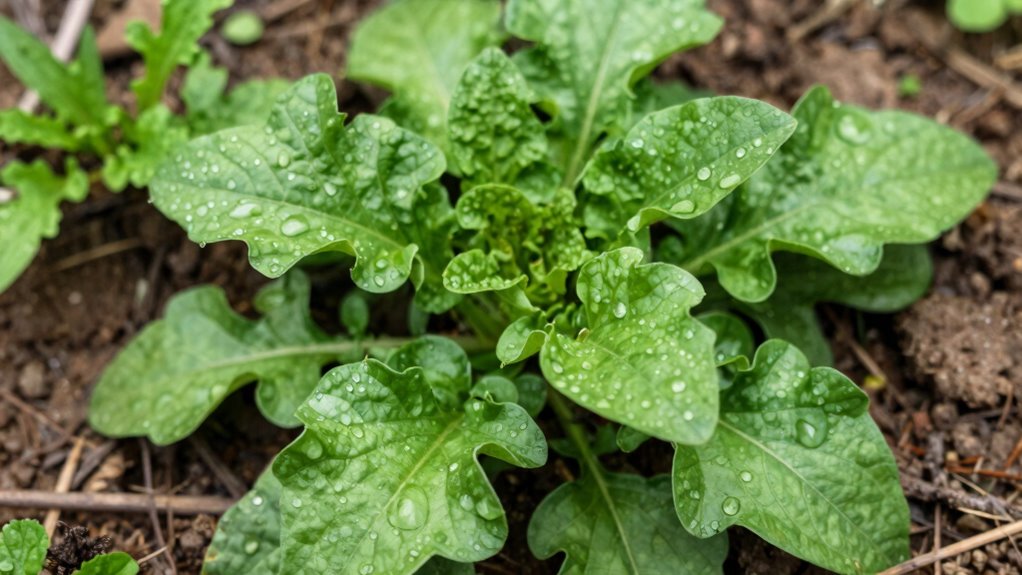
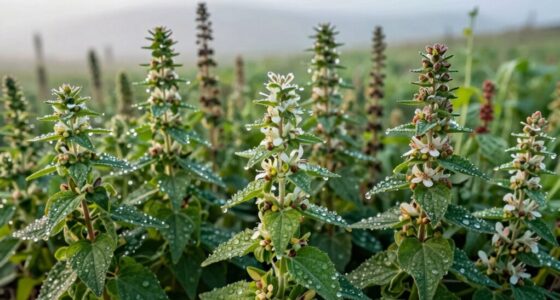
Have you ever overlooked plantain as just a weed? Most people walk past it without a second thought, dismissing it as nothing more than a nuisance in their yard or garden. But plantain is far more than a common weed; it’s a treasure trove of herbal medicine and nutritional benefits that you might be missing out on. This humble plant has been used for centuries in traditional remedies, offering natural solutions for a variety of ailments. Its leaves contain compounds that help soothe inflammation, reduce swelling, and even fight bacteria. When you recognize its medicinal properties, you’ll see it as a valuable herbal medicine, not just a plant taking up space. Interestingly, modern research has identified specific chemical compounds in plantain that contribute to its healing effects, bridging traditional knowledge with scientific validation. Additionally, these compounds can support immune health, making plantain a versatile plant for holistic wellness. As more studies explore its healing potential, it becomes clear that plantain’s benefits extend far beyond its common appearance.
Beyond its uses in herbal medicine, plantain packs a punch when it comes to nutrition. The leaves are rich in vitamins A, C, and K, along with minerals like calcium, magnesium, and potassium. These nutrients support your immune system, promote healthy skin, and contribute to overall well-being. Incorporating wild plants into your diet can be a sustainable way to enhance nutrition naturally. You can incorporate young, tender leaves into salads, smoothies, or teas to boost your daily nutrient intake naturally. Unlike processed supplements, eating plantain leaves offers a fresh, natural way to nourish your body. Plus, their mild flavor makes them easy to add into many dishes without overpowering other ingredients.
What makes plantain even more appealing is its versatility and accessibility. You don’t need a fancy garden or a special patch to harvest it; it grows wild in many areas, from sidewalks to fields. Recognizing it as a source of herbal medicine can inspire you to use it for minor cuts, insect bites, or skin irritations. Simply crushing the leaves and applying them topically can provide relief thanks to their anti-inflammatory and antimicrobial properties. This natural remedy can save you trips to the pharmacy and help you connect with nature’s healing powers. Furthermore, understanding how these bioactive compounds work together can deepen your appreciation for natural healing practices.
In addition to its medicinal and nutritional uses, plantain encourages a deeper appreciation for wild plants and their role in sustainable living. Knowing how to identify and utilize this common weed allows you to embrace a more eco-friendly approach to health and wellness. It reminds you that nature often provides what you need in the simplest forms. So next time you spot plantain, consider it as more than just a weed. Instead, see it as a helpful herb with centuries of healing tradition and a wealth of nutrients waiting to serve your health. Recognizing its value can transform your perspective on what grows freely around you.
Top picks for "plantain common weed"
As an affiliate, we earn on qualifying purchases.
Frequently Asked Questions
Can Plantain Be Used for Medicinal Purposes?
Yes, plantain can be used for medicinal purposes. You might find it in traditional remedies because of its herbal healing properties. People often use the leaves to treat insect bites, cuts, and skin irritations, thanks to its anti-inflammatory and soothing effects. By applying crushed plantain leaves directly to the skin or making teas, you can harness its natural benefits for various minor ailments.
Is Plantain Safe to Eat Raw?
You can eat plantain raw, and it’s quite safe when prepared properly. Curiously, it’s rich in nutritional content, including vitamins A, C, and K, plus fiber. For edible preparations, you can add raw leaves to salads or smoothies for a nutritious boost. Just make sure you’re harvesting from a clean area, as consuming contaminated plants can pose health risks. Always wash thoroughly before eating raw.
How Does Plantain Benefit Soil Health?
Plantain benefits soil health by promoting soil enrichment and erosion control. When you plant it, you help improve soil structure, as its roots break up compacted soil, allowing better water and nutrient absorption. Its dense growth covers the ground, preventing erosion caused by wind and rain. You’ll find that plantain’s natural ability to stabilize soil makes it a valuable addition to your garden or landscape, supporting overall ecosystem health.
Are There Any Pests That Specifically Target Plantain?
You know what they say, “Beware the wolf in sheep’s clothing.” Some pests, like aphids and flea beetles, specifically target plantain, but few are serious threats. Pest control measures can keep these invaders at bay. While plantain isn’t usually overwhelmed by invasive species, it’s smart to stay vigilant. Regular checks help prevent pest buildup, ensuring your plantain remains healthy and resilient against potential threats.
Can Plantain Be Cultivated Indoors?
Yes, you can cultivate plantain indoors with proper indoor gardening setup. Choose a sunny spot or use grow lights, and guarantee the soil is well-draining. Regular pest management helps prevent common pests, like aphids or mites, from attacking your plantain. Keep the environment humid and maintain consistent watering. Indoor gardening allows you to enjoy fresh plantain leaves year-round, making it a practical and rewarding addition to your home.
Conclusion
Next time you see plantain, remember it’s more than just a weed. It’s a healer, a remedy, a gift from nature. It offers nourishment, relief, and resilience—all in one humble leaf. Recognize its value, respect its power, and embrace its potential. Because plantain isn’t just a common weed; it’s a natural wonder, waiting to be appreciated, harnessed, and celebrated for all it provides.
Fall yard work Picks
leaf blowers
As an affiliate, we earn on qualifying purchases.