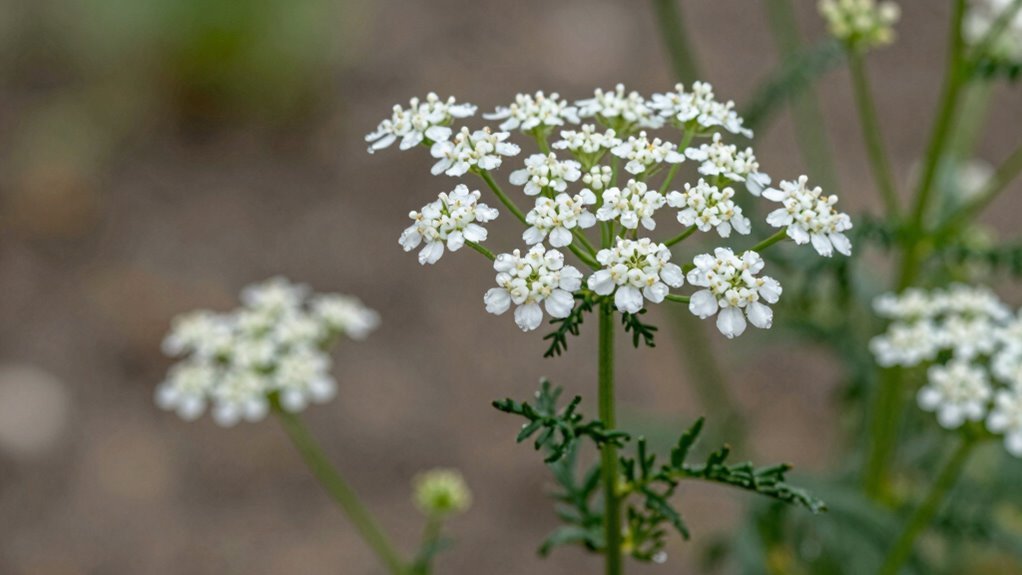

Yarrow’s importance in traditional plant use comes from its well-known healing properties, such as stopping bleeding, reducing inflammation, and promoting wound healing. People also value its cultural symbolism of protection, purity, and peace, often using it in rituals and charms. Its easy availability and spiritual significance have helped preserve its role across generations. If you’re curious about how yarrow connects healing and spirituality, keep exploring its fascinating history and uses.

Get garden gear delivered free — and shop member deals
- Fast, free delivery on millions of items
- Access to Prime Big Deal Days deals on October 6–7
- Prime Video, Amazon Music and more included
Key Takeaways
- Its well-known medicinal properties for stopping bleeding and promoting wound healing have made it a vital herbal remedy.
- Yarrow’s cultural significance as a protective and purifying plant enhances its traditional use in rituals and ceremonies.
- Its easy availability and potent effects historically made it accessible for healers and communities.
- The plant’s spiritual symbolism of clarity and peace underscores its role in spiritual and healing practices.
- Modern research validates its traditional uses, preserving its legacy in herbal medicine and cultural practices.
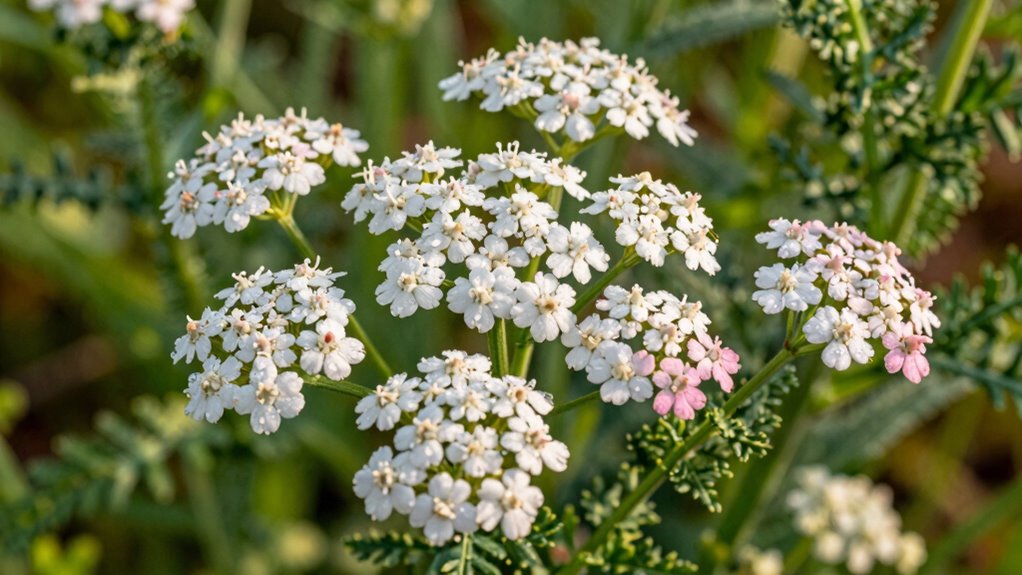
Yarrow has long played a vital role in traditional plant use, valued for its medicinal and practical applications across many cultures. Its reputation as a healing herb isn’t just based on folklore; centuries of use have demonstrated its effectiveness in addressing various health issues. When you look into yarrow‘s medicinal properties, you’ll find that it’s particularly known for its ability to stop bleeding, reduce inflammation, and promote wound healing. Its leaves and flowers contain compounds like flavonoids and alkaloids that have antimicrobial and anti-inflammatory effects, making it a natural first aid remedy. People have used yarrow to treat cuts, bruises, and even internal conditions like digestive issues, showcasing its versatile medicinal benefits. Because of these qualities, yarrow became a staple in herbal medicine cabinets, especially before the advent of modern pharmaceuticals. Traditional herbal remedies have relied heavily on plants like yarrow for their proven healing properties. Additionally, its use spans across various cultural traditions, emphasizing its widespread significance. Its widespread availability and ease of harvesting contributed to its enduring popularity in traditional societies.
Beyond its medicinal uses, yarrow holds significant cultural importance in many societies. It’s often associated with protection, purification, and healing rituals. In some traditions, yarrow was believed to ward off evil spirits or negative energies, and its presence in ceremonies underscored its spiritual value. You might find yarrow used in folk practices as a symbolic plant, woven into charms or placed in sacred spaces to invoke health and safety. Its cultural significance extends to its role in stories, myths, and legends, where it’s frequently depicted as a sacred herb bestowed with divine properties. The plant’s bright white or yellow flowers and feathery leaves also contribute to its symbolic status, representing clarity and peace in various cultural contexts. Indigenous communities, as well as Europeans and Asians, have treasured yarrow not only for its healing abilities but also for its spiritual symbolism. Additionally, modern research supports its therapeutic potential, confirming its longstanding traditional uses and cultural importance.
In many traditional societies, yarrow’s importance went beyond individual health; it represented a connection to nature’s wisdom and the spiritual domain. Its easy availability and potent effects made it a reliable resource for healers, shamans, and everyday people alike. Over generations, these cultural practices have preserved yarrow’s reputation as a sacred and medicinal plant, passing down knowledge that still influences herbal medicine today. The plant’s role in traditional plant use underscores its significance in maintaining a harmonious relationship between humans and nature. When you consider yarrow’s role in traditional plant use, it’s clear that its value isn’t solely rooted in physical healing but also in its deep cultural significance, embodying the harmony between health, spirituality, and nature. This enduring legacy makes yarrow a truly remarkable herb, appreciated for both its practical uses and its spiritual symbolism across diverse cultures.
As an affiliate, we earn on qualifying purchases.
Frequently Asked Questions
Is Yarrow Safe for All Skin Types?
Yarrow is generally safe for most skin types due to its herbal properties, which include anti-inflammatory and astringent effects. However, skin compatibility varies; some people might experience irritation or allergic reactions, especially if you have sensitive skin or allergies to plants in the Asteraceae family. It’s best to do a patch test before full application and consult a healthcare professional if you have concerns.
Can Yarrow Be Used to Treat Specific Health Conditions?
You can use yarrow to treat specific health conditions like cuts, colds, and inflammation. Think of it as a herbal symphony, where each compound works together to promote healing. Accurate plant identification is essential to avoid misuse, and understanding herbal synergy enhances its effectiveness. For example, a friend applied yarrow poultice to a minor wound, noticing faster healing, showcasing its powerful natural remedy potential when used correctly.
How Is Yarrow Traditionally Prepared for Medicinal Use?
You traditionally prepare yarrow for medicinal use by making an herbal infusion or applying a poultice. To create an infusion, steep fresh or dried yarrow leaves and flowers in hot water, then drink to soothe colds or digestive issues. For a poultice, crush fresh yarrow and spread it on a cloth, then apply it to wounds or inflammation to promote healing and reduce bleeding.
Are There Any Side Effects Associated With Yarrow Consumption?
You should know that yarrow can cause allergic reactions in about 10% of people, especially those sensitive to plants in the Asteraceae family. Although generally safe, toxicity concerns arise if you use it in large amounts or for prolonged periods. Always consult a healthcare professional before consuming yarrow, especially if you’re pregnant, nursing, or have allergies, to avoid adverse side effects.
What Are the Cultural Origins of Yarrow Use?
You find that yarrow’s use originates from ancient cultures, where it played a key role in cultural rituals and traditional ceremonies. Indigenous groups across Europe, Asia, and North America used yarrow for healing, protection, and spiritual practices. Its significance grew as it became a symbol of health and wellness, often incorporated into rituals to honor deities or mark important life events. Yarrow’s deep roots make it an essential part of many cultural traditions.
Conclusion
So, next time you see yarrow, don’t dismiss it as just another weed. It’s been the herbal superstar for centuries—healing wounds, calming nerves, and perhaps even convincing ancient folks they had it all figured out. Sure, modern science might not fully back up every claim, but who needs proof when a plant’s got such a stellar résumé? Yarrow’s just proving that sometimes, the old ways are still the best—unless you prefer your remedies in pill form, of course.
Fall yard work Picks
leaf blowers
As an affiliate, we earn on qualifying purchases.