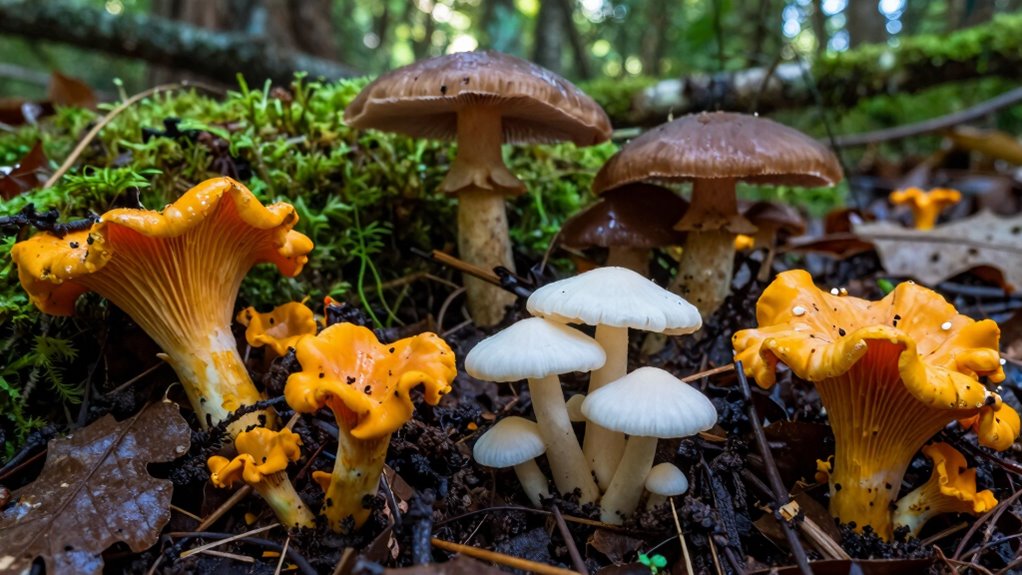

Forests are better for fungi when their soil is healthy, rich in organic matter, and undisturbed. When the soil has the right pH and retains moisture well, fungi can grow and thrive. Native plants and diverse microbial communities also support fungal variety and resilience. Organic litter and decaying wood provide essential nutrients. Keep in mind, the more balanced and intact the environment, the better your forest supports diverse fungi. Want to find out how to boost fungal health?

Get garden gear delivered free with Prime
- Fast, free delivery on millions of items
- Prime Video, Amazon Music and more included
- Member-only deals all year
Key Takeaways
- Rich, nutrient-dense soil with organic matter supports diverse and thriving fungal communities.
- Presence of native plants and undisturbed ecosystems fosters symbiotic fungi and microbial diversity.
- Adequate organic substrates like leaf litter and decaying wood promote fungal growth and decomposition.
- Optimal soil conditions, including proper moisture and pH, enhance fungal reproduction and resilience.
- Minimal soil disturbance and contamination preserve fungal diversity and ecosystem stability.
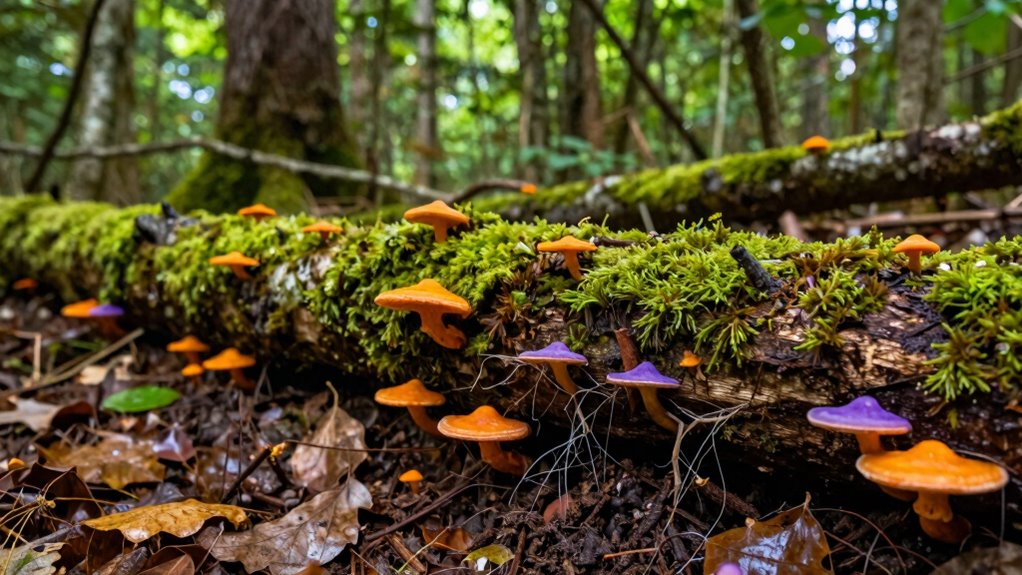
Forests are vibrant ecosystems where fungi play essential roles in maintaining balance and health. The richness of fungal diversity in a forest directly influences its ability to support a wide array of plant and animal life. When you explore different forests, you’ll notice that some boast an astonishing variety of fungi, while others seem less lively in this regard. This variation isn’t random; it depends heavily on specific environmental factors that foster or hinder fungal growth. One of the most critical elements is the forest soil, which acts as the foundation for fungal communities. Healthy, nutrient-rich soil provides the ideal conditions for fungi to thrive, spread, and interact with plants and microbes. You’ll find that forests with well-developed, undisturbed soil tend to support a broader array of fungi, including mycorrhizal species that form symbiotic relationships with tree roots, enhancing nutrient uptake and overall forest health.
The quality and composition of forest soil determine how diverse the fungal population can become. Soils rich in organic matter, with good moisture retention and a balanced pH, create a hospitable environment for fungi to grow and reproduce. Conversely, soil that is compacted, eroded, or contaminated can suppress fungal diversity, limiting their presence and, subsequently, the forest’s resilience. You might also notice that forests with abundant leaf litter and decaying wood provide essential substrates for fungi to colonize, further boosting diversity. These organic materials serve as food sources, supporting various fungal species that specialize in decomposition. When these elements are plentiful, fungi can perform their indispensable role of breaking down complex organic compounds, recycling nutrients back into the soil and promoting ecosystem vitality. Additionally, the presence of native plants and microbial communities further supports diverse fungal populations by creating a balanced and interconnected ecosystem. Moreover, soil health itself directly impacts the ability of fungi to establish and sustain populations, emphasizing the importance of preserving natural soil conditions. Maintaining these conditions can also enhance fungal resilience against environmental stresses. A diverse fungal community can also enhance the resilience of forests against pests and diseases, underscoring the importance of maintaining healthy soils.
Popular right now

TCL 55-Inch T7 Series 4K QLED Smart Google TV, 55T7

Bose QuietComfort Headphones (2nd Gen), Wireless Over-Ear Noise-Cancelling Headphones, Black

Ninja Foodi 7-Qt MegaZone FlexBasket Air Fryer, 6-in-1, Black, DZ071
As an affiliate, we earn on qualifying purchases.
Frequently Asked Questions
How Do Fungi Contribute to Forest Ecosystems?
Fungi play a essential role in forest ecosystems through fungal symbiosis, where they form partnerships with plants to enhance nutrient uptake, especially phosphorus. You’ll see fungi aiding in spore dispersal, which helps new fungi colonies grow and spread throughout the forest. This process maintains biodiversity and soil health, supporting overall forest stability. Your understanding of fungi’s contributions highlights their importance in sustaining vibrant, thriving forest ecosystems.
Can Fungi Affect Tree Health and Growth?
Fungi can greatly affect your tree’s health and growth through tree infection, often introducing fungal toxins that weaken or damage the tree. These toxins may cause diseases, stunt growth, or even lead to tree death if unchecked. You should monitor for signs of infection, like unusual spots or decay, and manage fungal presence promptly. Proper care and early detection help protect your trees from harmful fungal impacts and ensure robust growth.
What Roles Do Fungi Play in Nutrient Cycling?
Fungi are essential in nutrient cycling because they act as decomposers, breaking down organic matter efficiently through decomposer efficiency. Fungal symbiosis also plays a crucial role, as fungi form mutually beneficial relationships with plants, helping them absorb nutrients like nitrogen and phosphorus from the soil. This process enriches the soil, promotes plant growth, and sustains the forest ecosystem. Without fungi, nutrient recycling would slow, reducing forest health and productivity.
Are Some Fungi Harmful to Forests?
Some fungi can indeed harm forests, especially when fungal toxicity leads to harmful mycotoxins that damage trees and plants. You might imagine these fungi as tiny, unseen threats spreading through the forest, weakening essential vegetation. These harmful mycotoxins can cause disease and decay, disrupting the ecosystem. While many fungi are beneficial, it’s important to recognize that some, through toxicity, pose risks to forest health and stability.
How Do Climate Changes Impact Forest Fungi Diversity?
Climate changes impact forest fungi diversity by challenging their climate resilience and prompting fungal adaptation. As temperatures rise and precipitation patterns shift, some fungi may struggle to survive, reducing diversity. However, others adapt quickly, maintaining ecological balance. You can support fungal resilience by conserving diverse habitats, which promote fungal adaptation. This diversity ensures healthy forest ecosystems, as fungi play key roles in nutrient cycling and plant health amid changing climate conditions.
Conclusion
Just as Pandora’s box held both chaos and hope, forests hold secrets that nurture fungi or hinder their growth. By understanding what makes some forests better for fungi, you can reveal their hidden potential. Whether it’s soil health, tree diversity, or moisture, each factor plays a part. So, next time you walk through a forest, remember—you hold the key to its fungal future, shaping a world where these crucial organisms thrive.