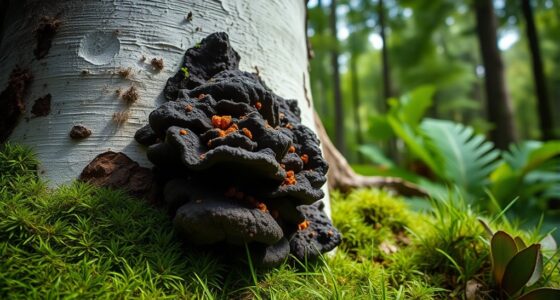
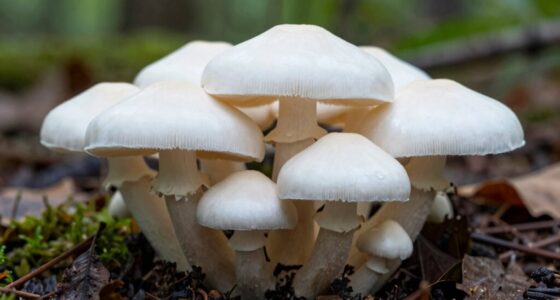
If you’re starting out, focus on beginner-friendly mushrooms like button, shiitake, and oyster, as they’re easy to identify and safe to eat. These varieties are widely available and great for learning basic foraging and cooking techniques. Practice recognizing their key features and experiment with simple recipes to build confidence. As you grow more comfortable, you’ll discover even more mushrooms to explore and enjoy—there’s always more to learn for the curious forager.
Open a free Amazon Business account
Business pricing, bulk buying and tax-exempt orders.
As an affiliate, we earn on qualifying purchases.
Key Takeaways
- Start with common, widely available varieties like button, shiitake, and oyster mushrooms for easy identification and safe use.
- Focus on learning key identification features to avoid toxic look-alikes, using reliable guides and local foraging groups.
- Use beginner-friendly culinary methods such as sautéing, roasting, and simple pairings to develop confidence and flavor appreciation.
- Expand knowledge gradually by exploring more exotic or wild mushrooms as skills and safety awareness improve.
- Prioritize safety, proper identification, and gentle cooking techniques to build a solid foundation in mushroom foraging and cooking.
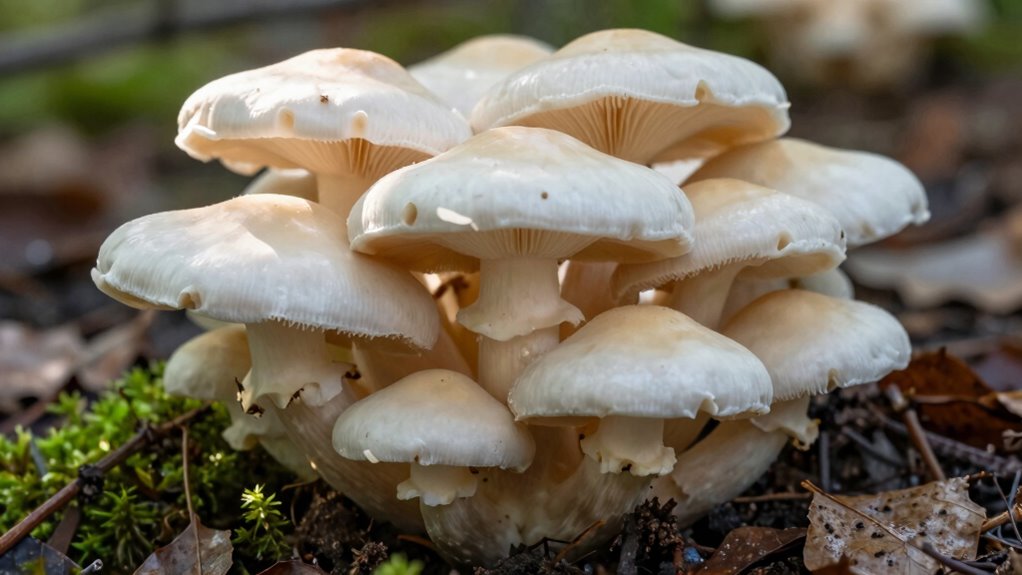
If you’re new to mushroom foraging or cultivation, starting with the right varieties can make all the difference. Choosing familiar, beginner-friendly mushrooms helps you build confidence and ensures safety. Common starting points include shiitake, oyster, and button mushrooms. These varieties are widely available, easy to grow or identify, and have well-known culinary uses. When it comes to foraging, mastering simple techniques is crucial. Learn to recognize the key features of edible mushrooms, such as cap shape, gill patterns, and stalk characteristics, while avoiding look-alikes that could be toxic. Always use reliable guides or join local foraging groups to refine your foraging techniques. This way, you reduce the risk of misidentification and increase your success rate.
Once you’ve identified safe mushrooms, it’s time to explore culinary pairings. Many beginner-friendly fungi complement a variety of dishes. For example, button mushrooms are versatile and work well in salads, sautés, and soups, while oyster mushrooms add a delicate, slightly sweet flavor to stir-fries and pasta dishes. Shiitake mushrooms lend a rich, smoky taste perfect for warming broths or grilled dishes. Learning how to cook your foraged or cultivated mushrooms enhances their flavor and texture, making your culinary experience more enjoyable. Experiment with different herbs and spices to discover what best complements each mushroom variety. Simple preparations like sautéing with garlic and butter or roasting with olive oil highlight their natural umami qualities.
Starting with these varieties also opens up opportunities to explore various culinary pairings. Mushrooms pair naturally with ingredients like garlic, thyme, parsley, and cream, which amplify their earthy flavors. They absorb flavors well, making them flexible additions to many recipes. As you grow more comfortable, you can expand your repertoire to include more exotic or wild varieties, but stick with the basics initially. This approach helps you refine your foraging techniques, ensuring you gather safe, edible mushrooms, and develop a palate for their unique tastes. Remember, patience and practice are key. Over time, you’ll better understand how different mushrooms behave in cooking and how to incorporate them into your favorite dishes. Starting with these beginner-friendly options sets a solid foundation for both safe foraging and delicious culinary adventures.
As an affiliate, we earn on qualifying purchases.
Frequently Asked Questions
Are All Edible Mushrooms Safe for Beginners?
Not all edible mushrooms are safe for beginners. You should focus on familiar, easily recognizable varieties, as mushroom nutrition can vary, and some look similar to toxic ones. Always learn proper cooking techniques to guarantee safety and enhance flavor. When starting out, stick to common mushrooms like button, cremini, or portobello, and consult reliable guides or experts to avoid accidental poisoning. Safety comes first in mushroom foraging and cooking.
How Do I Properly Identify Edible Versus Poisonous Mushrooms?
You can’t rely solely on visual cues to identify edible versus poisonous mushrooms because many look alike. Instead, learn mushroom toxin recognition by studying key features and consulting reliable field guides. Pay attention to wild mushroom habitats, noting where edible varieties grow. Always double-check your finds with experienced foragers or local mycological societies before consuming any wild mushroom, as misidentification can be deadly.
What Tools Are Essential for Beginner Mushroom Foraging?
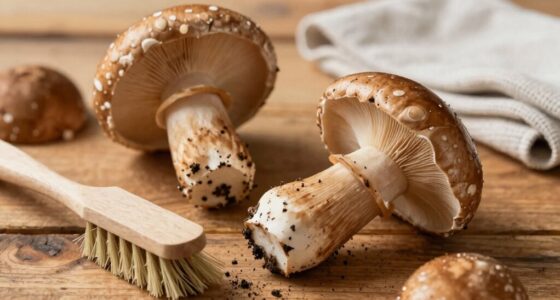
For beginner mushroom foraging, you need a good field guide, a knife, a basket or mesh bag, and a small brush for cleaning. Always prioritize mushroom foraging safety by double-checking identifications and avoiding unknown species. Follow beginner foraging tips like foraging in well-known areas and never picking mushrooms without certainty. These tools and tips help guarantee a safe, enjoyable experience while learning about edible mushrooms.
Can Beginner Mushrooms Be Cultivated at Home?
Yes, you can definitely cultivate beginner-friendly mushrooms at home. Mushroom cultivation is accessible with simple kits or DIY methods, making home growing easy and rewarding. You’ll need basic supplies like spores or spawn, a suitable substrate, and a controlled environment. With patience and proper care, you’ll enjoy fresh mushrooms straight from your own space. It’s a fun way to learn and enjoy the process of home growing and mushroom cultivation.
How Do I Store Mushrooms to Keep Them Fresh Longer?
A stitch in time saves nine—so, for keeping mushrooms fresh longer, proper mushroom storage methods matter. Store them in a paper bag in the fridge’s crisper drawer, as this absorbs excess moisture and prevents spoilage. Avoid plastic, which traps humidity. Keep mushrooms dry and use them within a few days. This way, you’ll maintain their freshness and flavor, ensuring your culinary creations stay delicious longer.
Conclusion
By starting with these beginner-friendly mushrooms, you’re setting yourself up for a journey that’s as exciting as discovering a hidden treasure chest. Remember, even the tiniest mushroom holds secrets worth learning. With patience and curiosity, you’ll soon master the art of foraging and cooking. So don’t rush — every mushroom you identify correctly is a small victory, building your confidence for bigger adventures. Keep exploring; the world of mushrooms is more vast and magical than you can imagine.
Fall Picks
fall essentials
As an affiliate, we earn on qualifying purchases.