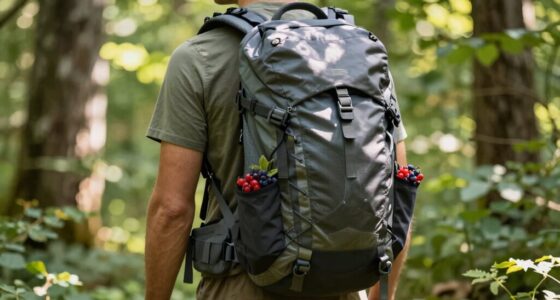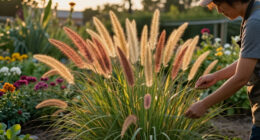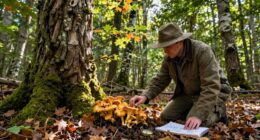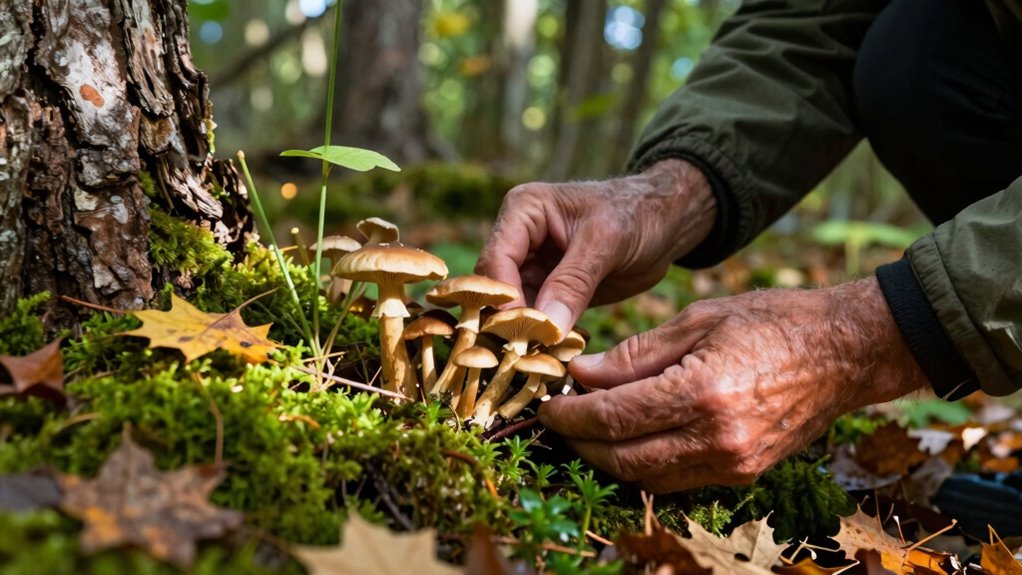
To become a more effective forager, sharpen your outdoor skills by learning to accurately identify edible versus toxic plants through detailed observation of leaf shapes, stem textures, and flowering patterns. Practice environmental awareness by avoiding contaminated areas and knowing the best harvesting conditions. Develop responsible harvesting habits and seek expert advice to guarantee sustainability. Building confidence through hands-on experience and careful study enhances your success. Keep exploring these skills further to maximize your foraging potential.

Get garden gear delivered free — and shop member deals
- Fast, free delivery on millions of items
- Access to Prime Big Deal Days deals on October 6–7
- Prime Video, Amazon Music and more included
Key Takeaways
- Develop keen observation skills to identify subtle plant features and distinguish edible species from look-alikes.
- Use reliable field guides and apps, verifying identifications through multiple sources.
- Practice safe harvesting by assessing plant health, maturity, and environmental conditions.
- Engage with experienced foragers and community resources to enhance knowledge and techniques.
- Carry safety equipment, such as gloves and first aid kits, and start with small quantities to test reactions.
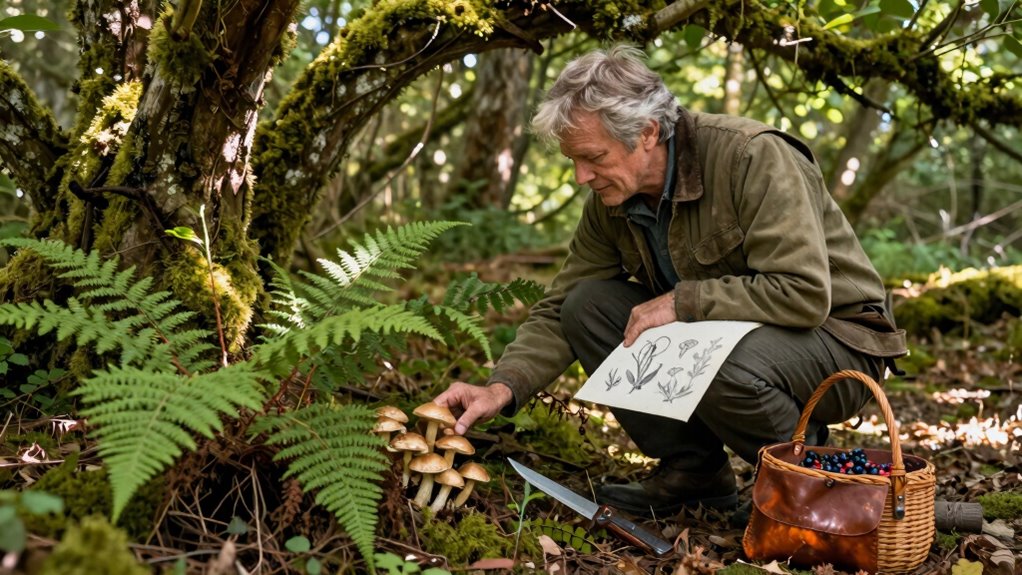
Foraging in the outdoors requires more than just knowing which plants are edible; it demands a set of essential skills to stay safe and succeed. One of the most important skills is wild plant identification. You need to be able to distinguish between edible plants and their toxic look-alikes. This isn’t just about recognizing the plant’s overall shape or color; it’s about knowing specific details, like leaf arrangement, stem texture, and flowering patterns. Practice observing these features carefully, using reliable field guides or apps, but always verify with multiple sources before consuming anything. Remember, even small mistakes in identification can lead to serious health issues or poisoning.
Master wild plant identification carefully to avoid toxic look-alikes and ensure safe foraging.
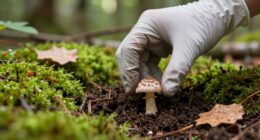
Alongside wild plant identification, safety precautions are indispensable. Before you start foraging, always research the area to make sure it’s free from contamination—away from roads, industrial sites, or areas treated with pesticides. Wear gloves when handling unfamiliar plants, as some may cause skin irritation. Always start with small quantities when trying a new plant for the first time, to test for any adverse reactions. It’s wise to carry a first aid kit and have emergency contacts on hand, especially if you’re venturing into remote areas. Never assume a plant is safe just because it looks like a common edible; look for distinctive features that confirm its identity and avoid any plants that seem suspicious or unfamiliar. Developing a keen sense of observation enhances your effectiveness as a forager. Pay attention to the environment—certain plants thrive in specific conditions and seasons. Recognizing signs of healthy, mature plants can save you time and effort. Also, learn how to harvest sustainably: don’t take more than you need, and avoid damaging the roots or the surrounding ecosystem. This helps guarantee the plants will continue to grow and be available for future foragers. Additionally, understanding how to test for toxicity can further improve your safety and confidence in wild food gathering. Gaining familiarity with local plant species through community resources or expert advice can also significantly boost your success rate. Building a strong foundation of botanical knowledge can help you identify plants more accurately and efficiently. Engaging with experienced foragers can provide invaluable insights and practical tips that are hard to find elsewhere.
Practicing these skills involves developing a keen eye for subtle plant features, which can significantly increase your success rate. Practical experience is key. Spend time in the field with experienced foragers, or join guided foraging walks to learn firsthand. Take notes, photograph plants, and review your findings regularly. Over time, you’ll sharpen your wild plant identification skills and build confidence in your safety precautions. By combining keen observation, careful identification, and responsible harvesting, you’ll become a more effective forager who not only finds abundant wild foods but does so safely and sustainably.
wild plant identification guidebook
As an affiliate, we earn on qualifying purchases.
As an affiliate, we earn on qualifying purchases.
Frequently Asked Questions
What Safety Precautions Should Foragers Take When Harvesting Wild Plants?
When harvesting wild plants, you should always identify them correctly to avoid wild plant toxins. Wear gloves and carry a knife for safe collection, and avoid overharvesting to protect the environment. Follow foraging etiquette by respecting private property and minimizing your impact. Always wash plants thoroughly before use, and stay informed about local regulations. These precautions guarantee your safety and promote sustainable foraging practices.
How Can Beginners Identify Edible Versus Poisonous Wild Foods?
Think of plant identification as your internal compass in a wild maze. To spot edible versus poisonous foods, you need sharp eyes and keen observation. Focus on key features like leaves, stems, and flowers. Always cross-check with reliable guides and cultivate toxicity awareness. When unsure, err on the side of caution—it’s better to leave a plant untouched than risk poisoning. Master these skills, and you’ll navigate nature’s pantry confidently.
What Are the Essential Tools Every Forager Needs?
You need essential tools like a sharp knife for harvesting, a field guide for wild plant identification, and a basket for collecting your finds. A small pruning saw helps with larger branches, and gloves protect your hands. Mastering foraging techniques guarantees safe, sustainable harvesting. With these tools, you’ll confidently identify edible plants, gather efficiently, and enjoy a rewarding outdoor experience, all while respecting nature’s delicate balance.
How Do Seasonal Changes Affect Foraging Opportunities?
Seasonal changes greatly influence your foraging opportunities through plant migration and seasonal foraging patterns. As seasons shift, certain plants migrate to different areas, making some species available only at specific times. You need to adapt by understanding these migration cycles and seasonal shifts, so you can identify when particular plants are ripe for harvest. Staying aware of these changes guarantees you maximize your foraging success while respecting plant growth cycles.
What Legal Considerations Should Foragers Be Aware Of?
You should be aware of legal regulations and permitting requirements before foraging. Always check local laws, as some areas restrict or regulate wild harvesting to protect ecosystems. Obtain necessary permits if required, and respect private property rights. Following these guidelines helps you avoid fines or legal issues, ensuring sustainable foraging practices. Staying informed about regulations demonstrates respect for nature and supports conservation efforts.
Conclusion
Think of yourself as a skilled captain steering a vast, wild ocean. With your outdoor skills as your sturdy vessel, you can confidently explore uncharted waters, spotting hidden treasures and avoiding hidden reefs. Every foraging trip becomes an adventure, powered by your knowledge and instincts. Master these skills, and you’ll sail smoothly through the wilderness, turning each outing into a rewarding voyage. Your journey as a forager is endless—so set your sails and embrace the wild unknown.
Fall Picks
fall essentials
As an affiliate, we earn on qualifying purchases.