Wild green kimchi made from foraged lamb’s quarters and garlic mustard connects you to the land while offering a nutrient-rich, flavorful ferment. By identifying these greens through their leaves and scent, you can harvest sustainably and support biodiversity. Crushing or chopping them with salt and seasonings starts the fermentation process, transforming wild greens into probiotic-rich kimchi. If you keep exploring, you’ll discover how this ancient practice fosters independence and deepens your bond with nature.

Get garden gear delivered free with Prime
- Fast, free delivery on millions of items
- Prime Video, Amazon Music and more included
- Member-only deals all year
Key Takeaways
- Wild greens like lamb’s quarters and garlic mustard add nutrient-rich, resilient flavors to homemade kimchi.
- Foraging these greens connects you to land, supports biodiversity, and promotes sustainable food practices.
- Proper fermentation involves crushing, salting, and packing greens to foster beneficial microbial activity.
- Wild green kimchi embodies food sovereignty, independence, and a reclaiming of traditional preservation methods.
- Using foraged greens enhances kimchi’s flavor, nutrition, and cultural significance while reducing reliance on industrial food sources.

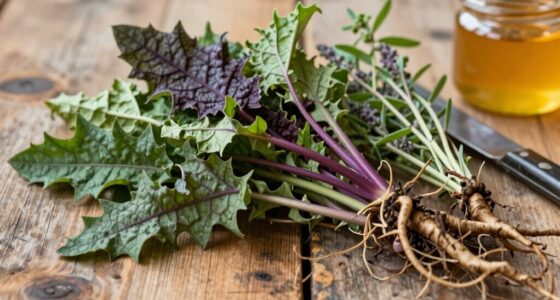
Wild green kimchi is a vibrant, naturally fermented dish that captures the essence of wild foraged greens and traditional preservation methods. When you embrace the art of foraging techniques, you tap into the wild abundance around you, harnessing nature’s bounty to craft something truly liberating. Lamb’s quarters and garlic mustard are perfect starters for this journey. These greens grow freely, often overlooked, but they carry powerful flavors and nutrients that elevate your kimchi to a new level. With a keen eye and confidence, you can identify these plants in your local landscape, knowing you’re reclaiming your food source from industrialized chains. Foraging techniques involve careful observation—looking for the distinctive leaves, textures, and scents—and harvesting sustainably to ensure these plants thrive for future foragers. As you gather your greens, you also embrace a connection to the land that’s been lost in modern food systems. Incorporating wild greens into your diet allows you to benefit from their rich nutrient profiles and resilience, demonstrating the importance of biodiversity in sustainable food practices.
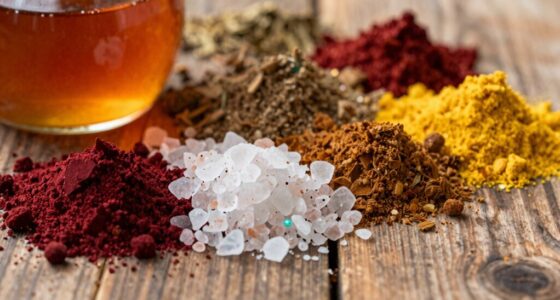
Once you have your greens, the fermentation process begins. This isn’t just about preservation; it’s about reclaiming your independence from commercial preservatives and additives. You crush, chop, or blend your foraged greens, mixing them with garlic, salt, and other seasonings that support the natural fermentation. The salt draws out moisture, creating an environment where beneficial bacteria thrive. This process transforms your greens into a tangy, probiotic-rich kimchi—alive, vibrant, and full of flavor. You’ll want to pack your mixture tightly into a jar, ensuring no air pockets remain, then leave it to ferment at room temperature. During this period, the microbes do their work, converting sugars into lactic acid, which preserves the greens naturally and enhances their taste. The fermentation process is a dance of patience and trust, a ritual that reconnects you to traditional food ways and your own primal instincts. Maintaining proper temperature and environment during fermentation ensures optimal results and food safety.
This act of fermentation isn’t just about food; it’s a statement of liberation. You’re taking control of what you eat, rejecting the processed, artificial options pushed on you daily. By foraging for wild greens and fermenting them yourself, you break free from dependency on grocery store produce and corporate food systems, reclaiming your sovereignty over your diet. The wild greens—lamb’s quarters, garlic mustard—are wild, free, and abundant, just like your desire to be autonomous. Every step of this process reminds you that nourishment is a right, not a privilege, and that the knowledge to preserve and transform nature’s gifts lies within you. With each batch of wild green kimchi, you reaffirm your independence and deepen your bond with the earth.
Popular right now

Bose QuietComfort Headphones (2nd Gen), Wireless Noise-Cancelling Over-Ear Headphones, Eucalyptus Green

Dyson V8 Cyclone Cordless Vacuum

TCL 85 Designer Series QD-Mini LED TV (Model 85A400U) with Google Smart TV
As an affiliate, we earn on qualifying purchases.
Frequently Asked Questions
What Are the Nutritional Benefits of Lamb’s Quarters and Garlic Mustard?
You gain incredible health advantages by eating lamb’s quarters and garlic mustard. These greens pack a punch of nutrients, offering vitamins A, C, and K, plus minerals like calcium and iron. They boost your immune system, improve digestion, and provide antioxidants that fight free radicals. Incorporating these wild greens into your diet liberates you from processed foods, empowering you to nourish your body naturally and harness nature’s vibrant, health-boosting power.
How Do I Identify Wild Greens in the Wild Safely?
Identifying wild greens is like finding hidden treasures, so stay vigilant and prioritize foraging safety. Always use reliable plant identification guides or apps, and double-check features like leaf shape, smell, and growth pattern. Avoid plants with milky sap, bitter taste, or unusual odors. When in doubt, consult experienced foragers or local experts. Trust your instincts, but never consume uncertain plants—your liberation depends on safe, confident foraging.
Can Wild Green Kimchi Be Stored Long-Term?
Yes, wild green kimchi can be stored long-term through fermentation preservation. By fermenting it properly, you lock in its vibrant flavors and enjoy its zest over months. Just make certain you keep it submerged and stored in a cool, dark place. This process enhances its flavor, giving you a liberating, tangy experience whenever you want. With patience, you can savor your wild green kimchi long after making it.
Are There Any Common Substitutions for Lamb’s Quarters or Garlic Mustard?
You can explore substitute herbs or alternative greens to replace lamb’s quarters or garlic mustard. Think arugula, spinach, or kale for greens, and herbs like chives, parsley, or cilantro for flavor. Embrace your freedom to experiment, breaking free from traditional ingredients. By using these substitutions, you unseal new flavors, ignite your creativity, and craft kimchi that reflects your unique taste and spirit of liberation.
What Are the Potential Allergies Related to These Greens?
You might experience allergy symptoms like itching, swelling, or stomach upset when eating lamb’s quarters or garlic mustard, especially if you have pollen or plant allergies. Cross reactivity can occur if you’re allergic to related plants, so be cautious. To enjoy these greens liberatingly, start with small amounts and observe your body’s response, ensuring you’re safe and free to savor their vibrant flavors without worry.
Conclusion
As you explore the vibrant world of wild green kimchi, you’re gently guided into a domain of flavors that whisper of nature’s bounty. Embrace these humble greens and garlic mustard—they hold the promise of something special, a subtle magic in every bite. With each fermentation, you’re quietly nurturing a tradition that’s both nourishing and delightful. So, trust in the process, and let these wild treasures reveal their gentle, flavorful secrets to you.