Before making wild plant infusions, make certain you can accurately identify the plants to avoid toxic look-alikes. Avoid harvesting near polluted areas or contaminated sites to prevent chemical exposure. Always double-check sources and consider joining herbal groups to improve your skills. Practice sustainable foraging by collecting only what’s needed and leaving enough for regeneration. Staying aware of environmental risks and proper identification helps keep your infusions safe and eco-friendly—continue to explore safe practices to deepen your knowledge.

Get garden gear delivered free — and shop member deals
- Fast, free delivery on millions of items
- Access to Prime Big Deal Days deals on October 6–7
- Prime Video, Amazon Music and more included
Key Takeaways
- Verify plant identification with reputable sources and consult experts to avoid toxic look-alikes.
- Harvest only from clean, uncontaminated environments away from pollution or pesticides.
- Practice sustainable foraging by collecting responsibly and leaving enough plants for regeneration.
- Understand the specific preparation methods and dosages suitable for each plant infusion.
- Exercise caution with unfamiliar plants and consider joining foraging groups to improve recognition skills.
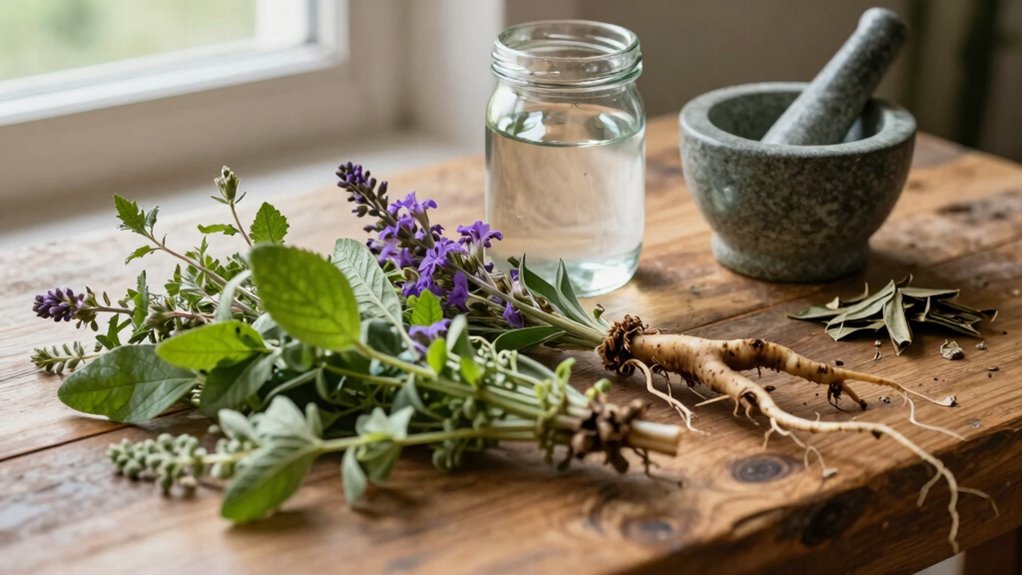
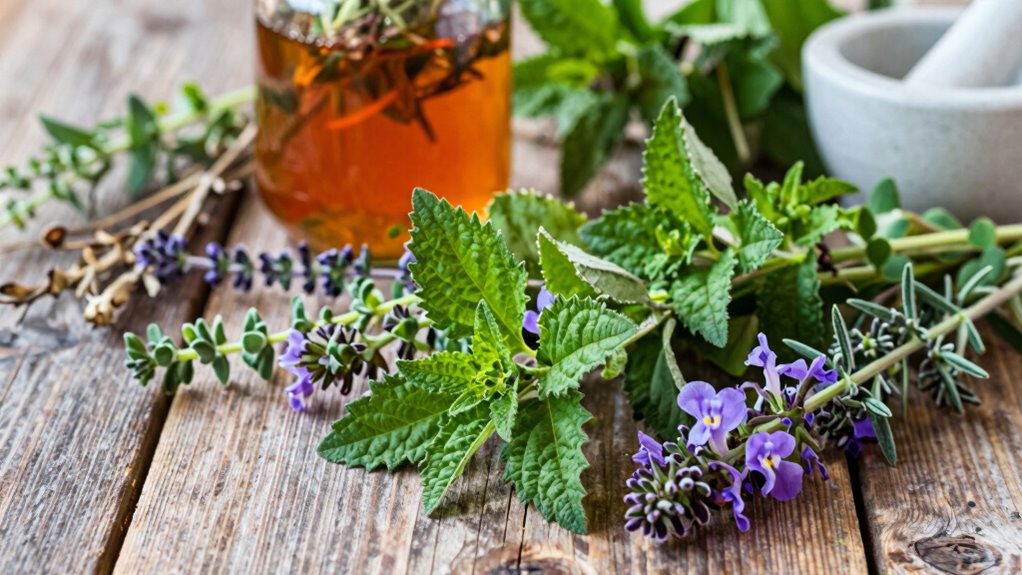
Making wild plant infusions can be a rewarding way to connect with nature and explore herbal remedies, but it’s important to approach this practice with caution. Your safety hinges on understanding foraging safety and guaranteeing accurate plant identification. When you venture into wild landscapes, don’t assume that every plant is safe to use. Many plants may look similar but are actually toxic or harmful if ingested. This is why mastering plant identification is essential. Take the time to learn the distinguishing features of edible and medicinal plants versus their toxic look-alikes. Rely on reputable field guides, apps, or consult experienced foragers to verify your identifications. Never rely solely on a single source, and always double-check before harvesting anything from the wild.
Master plant identification and verify sources to forage safely and sustainably from wild landscapes.
Foraging safety isn’t just about knowing which plants are edible; it also involves understanding the environment where these plants grow. Avoid harvesting near polluted areas, busy roads, or industrial sites where plants could be contaminated with chemicals or toxins. Additionally, pay attention to the plants’ surroundings—plants growing in disturbed soil, near pesticides, or in areas with heavy foot traffic might carry pollutants. Always harvest from clean, uncontaminated locations to minimize health risks. Remember, even safe plants can become dangerous if contaminated. Incorporating knowledge of plant identification techniques can greatly reduce the risk of misidentification.
Another safety tip is to be cautious with unfamiliar plants. If you’re uncertain about a plant’s identity or safety, it’s best to err on the side of caution and leave it alone. Many edible plants have toxic look-alikes, and misidentification can lead to poisoning. Consider taking a foraging course or joining a local herb group to improve your plant identification skills. The more confident you are in your ability to distinguish plants, the safer your wild herbal adventures will be.
Before making any plant infusion, guarantee your harvesting process respects the environment. Don’t overharvest or damage the plants—practice sustainable foraging. Collect only what you need and leave enough behind for the plants to regenerate. This ensures that future foragers can also enjoy and learn from the wild landscape.
wild plant identification field guide
As an affiliate, we earn on qualifying purchases.
As an affiliate, we earn on qualifying purchases.
Frequently Asked Questions
Are Wild Plant Infusions Safe for Children or Pets?
Wild plant infusions are generally not safe for children or pets because wild plant safety varies, and many plants can be toxic. You should avoid making pet-friendly infusions unless you’re certain the plants used are non-toxic. Always research thoroughly and consult a professional if unsure. Keep wild plant infusions out of reach of children and pets, as accidental ingestion can lead to serious health issues. Prioritize safety above all when experimenting with wild plants.
How Do I Identify Edible Versus Toxic Wild Plants?
Identifying wild plants can feel like searching for a needle in a haystack, but mastering plant identification is key. Start by carefully examining features like leaves, stems, and flowers. Learn to distinguish between toxic vs edible plants by consulting reliable field guides or apps. Always double-check your findings, as misidentification can be deadly. When in doubt, it’s safest to avoid consuming any wild plant until you’re 100% certain of its safety.
Can I Harvest Plants Year-Round for Infusions?
Yes, you can harvest plants year-round for infusions, but it’s best to focus on seasonal harvesting to guarantee plant health and sustainability. Different plants thrive in various seasons, and overharvesting outside their peak times can harm local ecosystems. Practice sustainable foraging by only taking what you need, leaving enough for the plants to regenerate, and respecting nature’s cycles. This approach helps preserve wild plants for future infusions and other uses.
What Are Common Allergic Reactions to Wild Plant Infusions?
You might experience allergy symptoms like skin rashes, itching, or swelling from wild plant infusions if you’re sensitive to certain plants. Common allergic reactions include respiratory issues or gastrointestinal upset, especially if you have existing plant sensitivities. Always do a patch test first and start with small doses to check for reactions. If you notice any symptoms, stop using the infusion immediately and consult a healthcare professional.
How Should I Store Wild Plant Infusions to Maintain Freshness?
Think of your wild plant infusions as delicate treasures; you want to keep them as fresh as a morning dew. Store them in airtight storage containers, like little treasure chests, to preserve their potency. Use preservation techniques such as refrigeration or dark, cool places to slow down flavor and nutrient loss. By doing so, you guarantee each sip remains vibrant, just as nature intended—fresh, lively, and full of life.
Conclusion
Before diving into wild plant infusions, remember that nature’s gifts are like silent teachers—they hold wisdom that must be respected and understood. Approach each plant as you would a trusted friend, with patience and care. Your journey is a delicate dance between curiosity and caution, where each infusion is a small seed of trust you plant in nature’s vast garden. When done with respect, these infusions become nourishing bridges connecting you to the wild’s quiet, enduring spirit.
Fall yard work Picks
leaf blowers
As an affiliate, we earn on qualifying purchases.