Mild winters open up more foraging opportunities, allowing you to gather wild foods throughout the year. You can find edible plants, herbs, and berries earlier and longer, with spring signs arriving sooner and lasting longer into autumn. Roots and nuts remain accessible without frozen ground, making harvests easier and safer. These changes help you enjoy sustainable foraging and connect deeper with nature’s seasonal rhythms. Stay with us to discover even more ways these mild winters benefit your foraging adventures.
Key Takeaways
- Extended foraging seasons allow year-round access to wild greens, herbs, and berries.
- Early signs of plant growth enable earlier harvesting of wild edibles like garlic and nettles.
- Longer autumn harvests provide sustained access to nuts, berries, and root vegetables.
- Milder weather simplifies harvesting efforts and reduces risks associated with frozen ground or snow.
- Awareness of seasonal shifts enhances sustainable foraging and deepens connection with natural cycles.
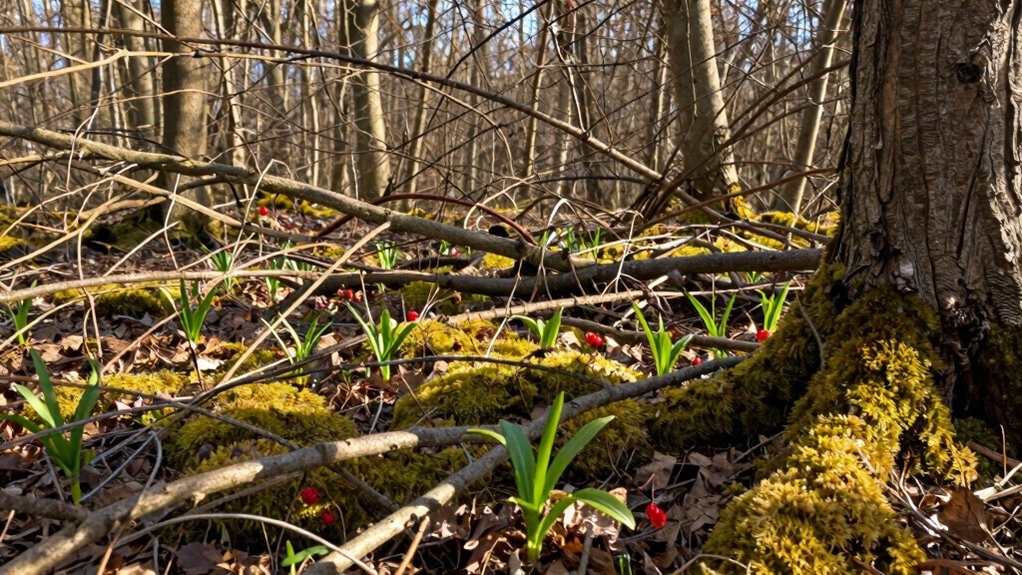
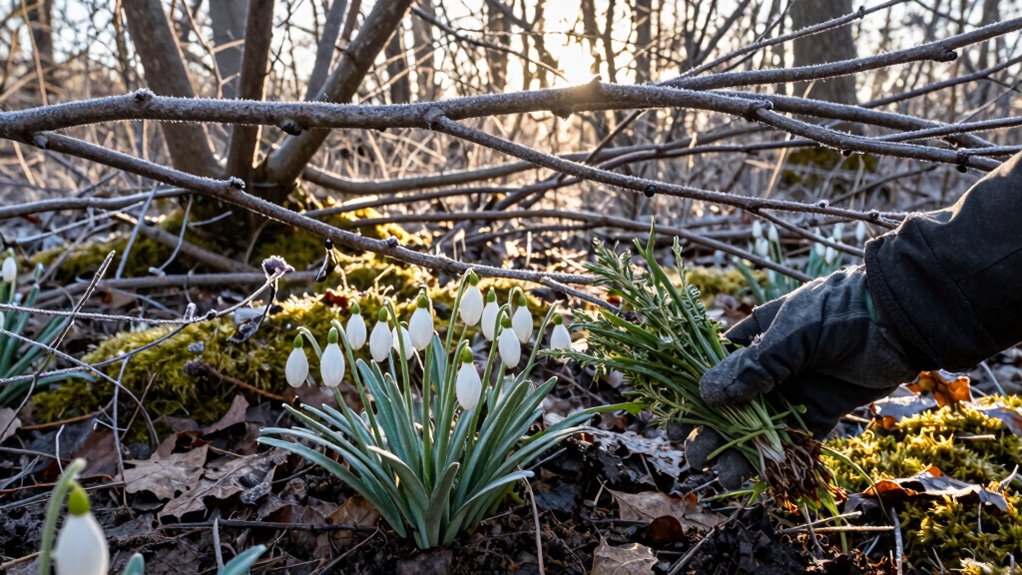
As winters become milder, foragers find it easier to gather wild foods throughout the season. The traditional cold months, once a time of scarcity, now often bring opportunities to find edible plants and herbs that would have been scarce or hidden beneath snow. This shift allows you to extend your foraging season, making each part of the year productive. With less harsh weather, plants like wild greens, roots, and berries can be identified and harvested more easily. You’ll notice the early signs of spring bloom appearing sooner, offering you fresh greens and flowers to add to your pantry. This early emergence means you can collect tender shoots and blossoms that energize your cooking and preserve a taste of the season’s renewal.
Milder winters extend foraging seasons, making wild greens, roots, and berries easier to find and enjoy throughout the year.
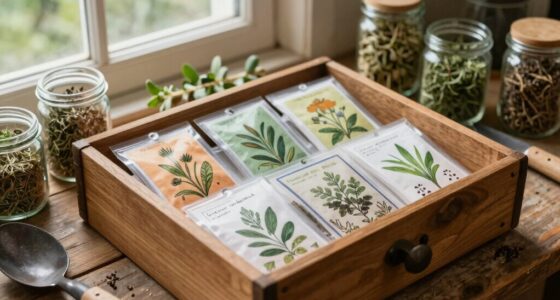
The spring bloom is a critical signal that nature is waking up, and as a forager, you can capitalize on this by harvesting wild edible flowers and young plants. These additions bring vibrant flavors and nutrients to your meals, and the milder winter means these plants are less stressed and more abundant. You might start noticing wild garlic, nettles, or dandelion greens sprouting earlier than usual, giving you a head start on your seasonal harvest. The longer period of growth also means you can gather herbs and greens for teas, salads, or drying for later use. Milder weather encourages a more extended foraging window, so you’re not confined to a short, frantic spring rush; instead, you can enjoy a more relaxed, sustainable harvest. Recognizing plant growth patterns can help you optimize your foraging efforts and ensure sustainable harvesting practices. Additionally, understanding the climatic changes can help you adapt your foraging strategies to new conditions. Being aware of these shifts can also foster a deeper connection with nature, enriching your overall foraging experience.
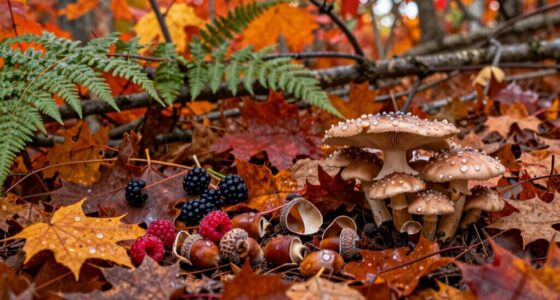
As the season transitions into autumn, the benefits of milder winters continue. The autumn harvest becomes richer, with more reliable yields of nuts, berries, and root vegetables. You’ll find that the natural bounty stays accessible later into the year, allowing you to stockpile for winter months. Berries such as blackberries or elderberries ripen later, and roots like wild carrots or parsnips remain available longer, giving you a broader window for gathering. The gentle weather also makes it easier to dig and harvest without the risk of frozen ground or snow-covered patches. This stability means you can focus on preserving your finds—drying, freezing, or making jams—without the frantic rush that harsher winters often impose. Additionally, understanding the seasonal rhythms can help you optimize your foraging efforts and sustainably harvest throughout the year. Furthermore, a deeper understanding of these patterns fosters a more mindful foraging practice that respects the land and its natural cycles.
Ultimately, milder winters open up more opportunities for foragers to connect with nature’s cycles. The spring bloom arrives sooner and lasts longer, while the autumn harvest extends well into late fall. With less severe weather, your foraging becomes less about survival and more about enjoyment and sustainability. You can learn to read the subtle signs of early plant growth and late-season abundance, enriching your understanding of the land and its seasonal rhythms. This new climate reality offers a more generous, less stressful experience—one where the wild foods you seek are more accessible, and your connection to nature’s cycles deepens with each passing season.
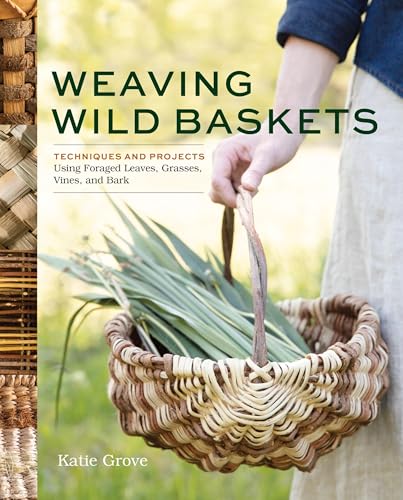
Weaving Wild Baskets: Techniques and Projects Using Foraged Leaves, Grasses, Vines, and Bark
As an affiliate, we earn on qualifying purchases.
As an affiliate, we earn on qualifying purchases.
Frequently Asked Questions
Are There Specific Plants That Thrive Only in Mild Winters?
Yes, certain plants thrive exclusively in mild winters due to their resilience and winter bloom patterns. You’ll notice hellebores and snowdrops blooming early, thanks to their adaptability. These plants have evolved resilience to withstand milder conditions, allowing you to forage year-round. Mild winters extend the growing season, giving you access to a variety of hardy, resilient plants that bloom when harsher winters would keep others dormant.
How Does Mild Winter Weather Affect Mushroom Foraging?
Mild winter weather subtly encourages mushroom foraging, as warmer temperatures and consistent soil moisture promote fungal growth. You’ll notice winter plants thriving beneath the surface, signaling rich soil conditions. These gentle conditions help mushrooms develop without the harsh cold, making foraging more fruitful. Keep an eye on soil moisture levels and winter plant signs—they’re the quiet hints guiding you to hidden mushroom treasures during milder seasons.
Can Mild Winters Lead to Increased Pest Activity for Foragers?
Mild winters can lead to increased pest activity, as pests remain active longer and reproduce more quickly. You’ll notice pest behavior intensifies, with insects seeking food and shelter, which can cause crop damage. This heightened activity might make foraging more challenging, as pests can threaten plant health and reduce available edible resources. Staying vigilant helps you protect your crops and adapt your foraging strategies to these changing pest dynamics.
What Safety Precautions Should Foragers Take During Mild Winters?
During mild winters, you should prioritize safety by dressing in layered winter clothing to stay warm and dry. Always wear sturdy, slip-resistant footwear for trail safety, especially if surfaces are damp or icy. Carry a fully charged phone, a map, and a basic first aid kit. Keep aware of changing weather conditions, and let someone know your plans. These precautions help guarantee your foraging adventures remain safe and enjoyable.
Do Mild Winters Impact the Availability of Rare or Seasonal Foraging Species?
Mild winters might make some rare or seasonal species more accessible, but they can also disrupt delicate ecosystems. During winter birding, you’ll notice fewer migratory birds if temperatures stay steady, and soil moisture levels can fluctuate, impacting plant growth. These subtle shifts may either reveal hidden treasures or hinder the abundance of certain species. Stay observant, and adapt your foraging to the changing conditions for the best experience.
Conclusion
As winter’s quiet embrace softens, it offers you a gentle invitation to explore nature’s hidden treasures. Like a silent guardian, mild weather guards its secrets, revealing edible treasures just beneath the surface. Embrace these fleeting gifts, for they symbolize resilience and renewal—reminding you that even in the calmest seasons, life quietly persists. So step outside, listen closely, and let winter’s subtle magic guide you to nature’s quiet bounty.