TL;DR

Get garden gear delivered free with Prime
- Fast, free delivery on millions of items
- Prime Video, Amazon Music and more included
- Member-only deals all year
A Gardener’s Path report describes how to encourage Hippeastrum amaryllis bulbs to flower indoors, often during winter. It recommends a snug, well-draining pot, keeping the bulb’s upper portion above the soil, and careful watering; bloom timing varies by bulb and cultivar. The plant can be toxic to pets if eaten.
A Gardener’s Path report explains how to encourage amaryllis bulbs to flower indoors, offering gardeners a way to bring blooms into the home during winter. The guide focuses on choosing healthy bulbs, planting them in snug pots with good drainage and controlling moisture; it says flowers commonly appear about six to nine weeks after planting, though timing depends on the cultivar.
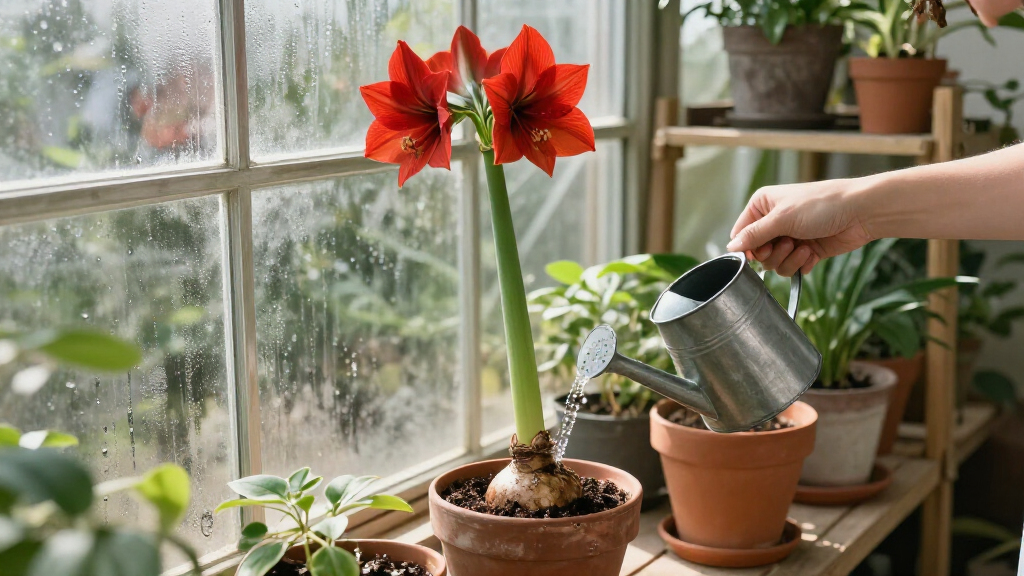
The familiar large-flowered bulbs sold as amaryllis are generally Hippeastrum hybrids, not plants in the separate genus Amaryllis, according to the report. These frost-tender tropical and subtropical plants are usually suited to outdoor growing only in USDA Zones 9 to 11, but can be grown in containers indoors. A bulb may send up one to three flower stems, each bearing as many as six trumpet-shaped flowers. Leaves often appear after the flowers, and blooms do not necessarily open at the same time.
The guide advises selecting the largest healthy bulb available for the strongest first-year display. It says larger bulbs are more likely to produce a second or third stem, while smaller ones may produce just one. Avoid bulbs with soft spots, blemishes or mold. Choose a stable pot with drainage holes that is about two inches wider than the bulb and no more than twice its height; the source says amaryllis generally flowers well in a relatively tight container.
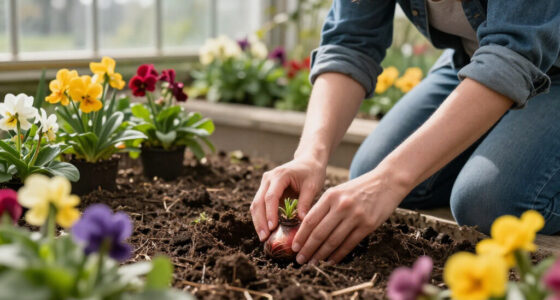
Before planting, the report recommends soaking the roots—not the whole bulb—in water for at least an hour or overnight. Place a few inches of well-draining potting medium in the pot, set the bulb on top and cover it so that roughly the upper portion remains exposed. Water carefully and avoid leaving the bulb sitting in excess moisture, which can encourage mold and rot. The source favors soil for moisture control; growing bulbs in water alone is possible, it says, but requires care to limit those problems.
Planning a Winter Flowering Display
Forcing amaryllis indoors gives gardeners a way to schedule a showy flowering plant for a period when many outdoor gardens are dormant. The report says bulbs can produce large, vivid flowers in shades including red, pink, orange, white and yellow, as well as bicolored forms. Because flowers on a stem may open over time rather than all at once, the display can last for several weeks.
Timing matters for anyone hoping to have blooms for a particular winter occasion: the guide’s estimate of six to nine weeks from planting is a range, not a guarantee. Bulb size and cultivar can affect the display and schedule. The advice to use a well-draining pot and moderate watering also addresses a practical risk: excess moisture can damage a bulb before it flowers.
There is a safety consideration in homes with animals. The report states that all parts of amaryllis are toxic to cats, dogs and horses if eaten, and that ingestion may cause stomach upset in people. Keep bulbs and plants out of reach of pets and children, and seek appropriate medical or veterinary advice if ingestion occurs.
Popular right now

LG 85-Inch QNED73B Mini LED 4K Smart TV (2026)

De'Longhi Dinamica Plus Fully Automatic Espresso Machine

Vitamix Propel Series 510 Professional-Grade Blender, 3 Programs, Black
As an affiliate, we earn on qualifying purchases.
Why Hippeastrum Blooms Indoors
Although these plants naturally flower in spring or summer, Hippeastrum bulbs are widely sold in autumn for indoor winter growing. The report describes the seasonal practice as forcing: encouraging a bulb to flower outside its usual outdoor schedule by growing it in a container indoors. It identifies the commercially familiar bulbs as hybrids originating from tropical and subtropical parts of the Caribbean and Central and South America.
The source notes that the genus includes more than 90 species and hundreds of cultivars, with a range of flower forms and colors. It distinguishes those plants from “true” Amaryllis, a different genus whose plants are commonly known as belladonna lily or Jersey lily. This distinction helps explain why the name amaryllis on a winter bulb usually refers to a Hippeastrum hybrid.
With proper care, potted bulbs can be kept for years, the report says. The supplied material does not give a complete after-flowering care schedule, so it does not establish that a particular bulb will rebloom on a fixed timetable. Its practical focus is the initial indoor flowering process: sound bulb selection, a close-fitting pot, drainage and controlled watering.
Bloom Timing and Care Limits
The source provides a general bloom estimate of six to nine weeks after planting for selected cultivars, but that range should not be read as a promise for every bulb. The supplied material does not specify a single planting date, indoor temperature, light level or watering schedule that would guarantee flowering by a particular holiday. It also does not provide enough detail to assess how each of those conditions changes bloom timing.
While the report says bulbs can flower again in later years if tended properly, it does not include a full year-round maintenance plan in the supplied text. The exact conditions needed for repeat flowering, or the likelihood that an individual bulb will produce multiple stems, remain dependent on its condition and care. No independent testing or expert interview is included in the source material.
Planting and Watching for Growth
Gardeners following the guide can start by checking bulbs for damage, choosing a pot with drainage and preparing a well-draining growing medium. After planting, they should keep moisture controlled and watch for shoots and flower stems over the following weeks. The six-to-nine-week estimate offers a planning window, but individual results may vary.
As flowers open, keep the plant somewhere stable where the pot cannot tip under the weight of the stems, and place it where pets and children cannot reach it. The source does not provide a dated follow-up or announce further reporting; the next relevant milestone for growers is whether a planted bulb produces stems and flowers under their indoor conditions.
Key Questions
How long does an amaryllis bulb take to bloom indoors?
The report gives a typical estimate of six to nine weeks after planting for the cultivars it discusses. It is a range, and the source does not guarantee a specific bloom date for every bulb.
What kind of pot should I use?
Use a stable container with drainage holes that is about two inches wider than the bulb and no more than twice its height. The guide says amaryllis generally do well in a relatively snug pot.
Should I cover the whole bulb with soil?
No. The report advises positioning the bulb with roughly its upper portion exposed, using well-draining potting medium around its base and roots.
Can I grow an amaryllis bulb in water?
The report says water-only growing can work with care, but bulbs are more susceptible to mold and rot. It favors soil in a container because moisture is easier to control.
Is amaryllis toxic to pets?
According to the source, all parts of the plant are toxic to cats, dogs and horses if eaten. Keep the plant away from pets and seek veterinary advice if an animal may have ingested it.
Source: gardenerspath.com