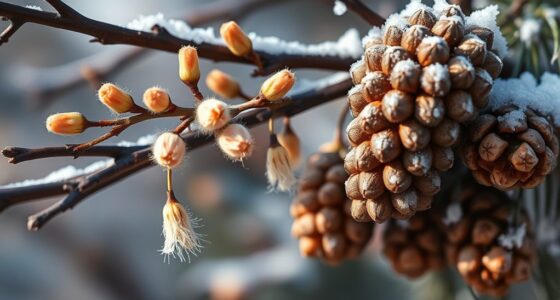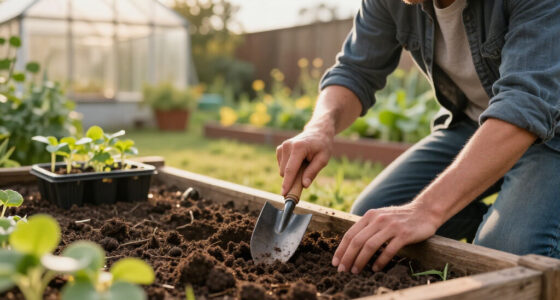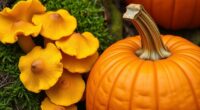
To build a seasonal foraging map, start by researching the edible plants, herbs, fungi, and fruits available in your region throughout the year. Mark their peak harvest times on your map, and observe natural signs indicating abundance. Keep track of your foraging experiences and adapt your plan as seasons shift. This approach helps you stay sustainable, self-reliant, and connected to land cycles—if you keep exploring, you’ll discover how to harness nature’s rhythm even better.

Get garden gear delivered free with Prime
- Fast, free delivery on millions of items
- Prime Video, Amazon Music and more included
- Member-only deals all year
Key Takeaways
- Research regional edible plants, fungi, herbs, and fruits, noting their peak harvesting seasons for effective planning.
- Mark seasonal availability of resources on a map to visualize year-round foraging opportunities.
- Align foraging activities with natural cycles, integrating planting and preservation methods during off-seasons.
- Keep detailed records of seasonal observations to refine future foraging strategies and enhance land awareness.
- Practice sustainable harvesting by respecting resource abundance and using tools to organize and store foraged items.
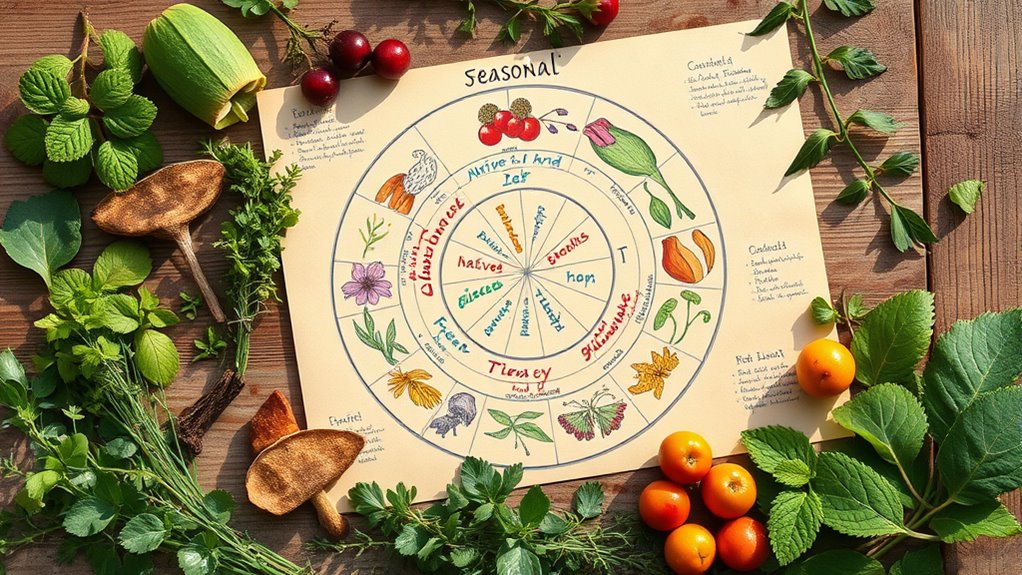
Have you ever wondered how to make the most of the year ahead? If you’re seeking liberation from routine and want to connect deeply with the natural flow of the seasons, then building a seasonal foraging map is your key. This form of annual planning empowers you to harness the bounty each season offers, transforming your relationship with nature from passive to active. Instead of waiting for supplies or relying on store-bought provisions, you take control, aligning your actions with the rhythms of the land. This approach not only boosts your self-sufficiency but also cultivates a sense of freedom rooted in knowledge and harmony.
Start by researching what edible plants, herbs, fungi, or wild fruits are available in your region during each season. Think of this as creating a map—marking when specific resources are ripe for foraging. You want to be intentional, noting the peak times for each harvest, so you can plan your outings accordingly. This seasonal foraging isn’t just about gathering; it’s about understanding the natural cycles and allowing them to guide your year. When you embrace this, you step into a cycle that’s both liberating and sustainable, reducing dependence on external food sources and reconnecting you with the land’s inherent abundance.
Create a seasonal foraging map to align with natural cycles and harvest abundance sustainably.
To make your annual planning more effective, combine your foraging knowledge with other seasonal activities. For example, planting certain crops during their off-season or preserving your foraged bounty through drying, fermenting, or freezing. This integration creates a dynamic, flexible plan that adapts to the natural ebb and flow, granting you a greater sense of control and freedom. It’s about living intentionally—letting your calendar reflect the land’s signals rather than societal pressures or commercial calendars. As you develop your foraging map, you’ll begin to anticipate the shifts, feeling more liberated from the constraints of conventional schedules.
Moreover, keep a journal of your foraging experiences and observations. Over time, this record will reveal patterns and deepen your understanding of your local ecosystem. This ongoing awareness fuels your confidence and autonomy, freeing you from the need to rely on external sources for sustenance. When you plan your year around the natural seasons, you’re actively reclaiming your power, crafting a life that respects the land’s timing. Incorporating knowledge of wall organization systems can help you keep your foraged goods and tools efficiently stored, supporting your seasonal routines. The result? A year filled with discovery, self-reliance, and a profound sense of liberation that grows stronger with each seasonal cycle.
As an affiliate, we earn on qualifying purchases.
Frequently Asked Questions
How Can I Identify Wild Plants Safely?
To identify wild plants safely, you need sharp plant identification skills and a keen eye for detail. Always use multiple sources like field guides, apps, or local experts to confirm your finds. Remember, foraging safety relies on patience and respect for nature—never eat a plant unless you’re 100% sure of its identity. Trust your intuition, stay cautious, and enjoy the liberation of connecting deeply with wild foods.
What Tools Are Essential for Seasonal Foraging?
You’ll want a sharp knife and a sturdy basket for wild plant identification and foraging safety tips. A reliable field guide or plant app helps you recognize edible versus toxic plants, giving you confidence to forage freely. Don’t forget gloves for protection, and a notebook to track seasonal changes. With these tools, you can confidently explore nature’s bounty, embracing your freedom to forage safely and sustainably year-round.
How Do Weather Changes Affect Plant Availability?
As the saying goes, “Forewarned is forearmed.” Weather changes, driven by climate variability, directly influence plant phenology, altering when plants bloom or fruit. This means your foraging window shifts unpredictably, challenging your freedom to harvest. Understanding these patterns empowers you to adapt, seize opportunities, and embrace nature’s rhythm. Keep tracking weather trends to stay ahead and enjoy a liberated, spontaneous foraging experience regardless of seasonal fluctuations.
Are There Legal Restrictions on Foraging in Certain Areas?
You need to check legal considerations before foraging, as restrictions vary by land access and location. Some areas have laws that prohibit removing plants, especially on public lands or private property without permission. To stay free and empowered, research local regulations, obtain necessary permits, and respect landowners’ rights. Embrace your foraging journey responsibly, knowing that understanding and following these rules keeps your foraging legal, safe, and truly liberating.
How Can I Preserve Foraged Plants for Year-Round Use?
You can preserve foraged plants for year-round use by employing preservation techniques like drying, freezing, or pickling. Use proper storage methods—airtight containers, vacuum sealing, or dark, cool spaces—to maintain freshness and nutrients. Embrace your freedom to enjoy wild flavors anytime, knowing you control the process. Preserve your harvest, unveil nature’s bounty, and savor your foraged treasures whenever you desire, feeling empowered by your self-sufficient approach.
Conclusion
By planning your year and creating a seasonal foraging map, you’ll reveal the secrets of nature’s most hidden treasures. Imagine uncovering rare herbs, delicious berries, and wild ingredients that could turn your meals into culinary masterpieces—every season, all year long! With this map, you’ll become a legendary forager, rivaling even the most seasoned explorers. So, get ready to conquer the wild, one season at a time—your epic foraging adventure starts now!
Columbus Day / Indigenous Peoples' Day Picks
long weekend sales
As an affiliate, we earn on qualifying purchases.