TL;DR

Get garden gear delivered free with Prime
- Fast, free delivery on millions of items
- Prime Video, Amazon Music and more included
- Member-only deals all year
Gardening Know How reports that seven common garden pests can overwinter in garden debris, twigs, bark, and old foliage, where some are easier to find after leaves fall. Its advice is to target pests that caused problems, dispose of affected material appropriately, and avoid clearing away leaf litter and stems that may shelter beneficial insects.
Gardening Know How has identified seven garden pests that may be removed during fall cleanup, including squash bugs under old vines, egg masses on branches and bark, and scale insects on woody plants. The report says their dormant stages can be easier to spot after foliage drops, but cautions gardeners not to strip beds bare because beneficial insects also shelter in leaf litter and hollow stems.
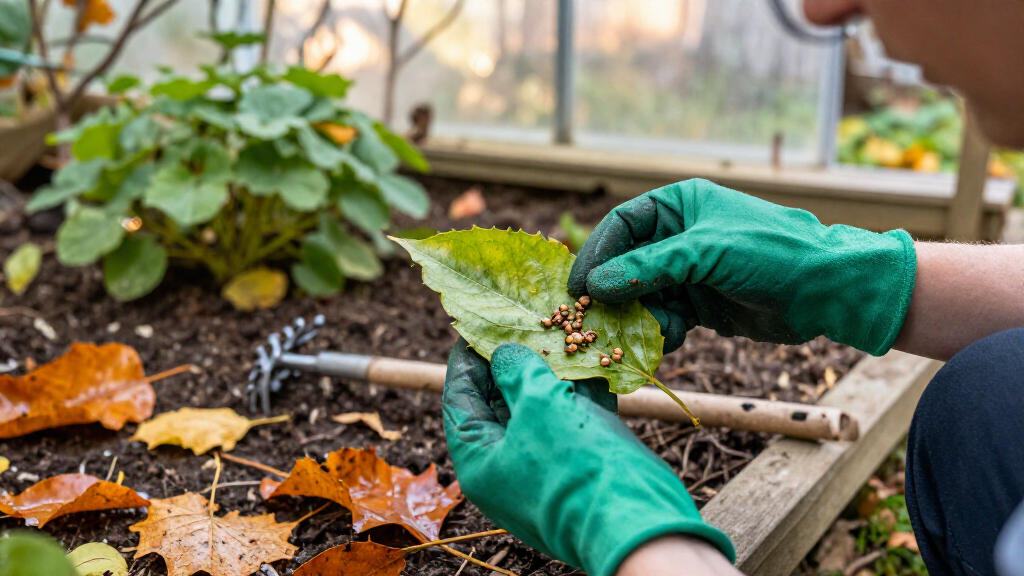
The report covers pests that spend winter as eggs, pupae, or dormant adults, often in the same place until spring. It recommends checking for squash bugs beneath dead squash and pumpkin vines and nearby boards, then bagging the vines. On viburnums damaged by leaf beetles, it says to look for rows of raised caps near the tips of this year’s twigs and prune affected branches before spring.
Other targets include eastern tent caterpillar egg bands on thin cherry and apple branches, and fuzzy tan spongy moth egg patches on trunks, fences, sheds, and the undersides of patio furniture. The report suggests removing small bands by cutting the twig or crushing the eggs, and scraping spongy moth patches into soapy water. It advises waiting until after a hard frost to remove old iris foliage that may hold iris borer eggs, and disposing of that foliage in the trash.
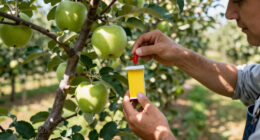
Scale insects may remain attached to branches and stems through winter; the report says some can be scraped off. Aphid eggs, described as tiny, dark, shiny marks near buds or bark cracks, may be reduced through winter pruning. For difficult-to-see eggs, the report suggests a magnifier. It also mentions dormant oil or other insecticide products for certain pests, but any pesticide must be used only according to its label, including stated protective equipment and application directions.
Fall Cleanup Can Cut Pest Carryover
Removing pest-bearing debris or egg masses now may reduce the number of insects that emerge in spring, particularly where a plant had a serious pest problem during the growing season. The report notes that bare branches make some egg masses easier to see after leaves fall, while dormant eggs and pupae cannot move away during inspection.
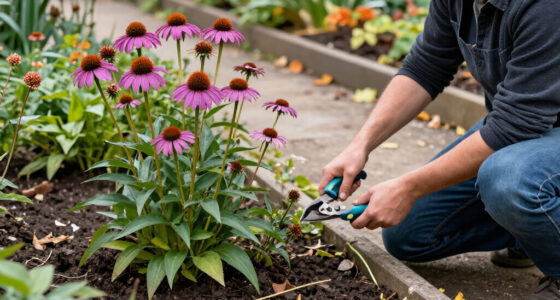
The advice is selective, not a call to clear every bed. Leaf litter and hollow plant stems can shelter lady beetles, ground beetles, and native bees, according to the source. Keeping some areas undisturbed can preserve those beneficial insects while cleanup focuses on known problem plants and visible pest sites.
Popular right now

Dreame L50 Ultra Robot Vacuum and Mop

Dyson V8 Cyclone Cordless Vacuum

Dyson Cyclone V10 Origin Cordless Vacuum
As an affiliate, we earn on qualifying purchases.
Where Garden Pests Spend Winter
The report’s central point is that pests overwinter in different places, so cleanup should match the pest. Squash bugs may shelter in dead vines and leaf litter; viburnum leaf beetles and aphids leave signs on twigs; and spongy moths lay conspicuous egg patches on outdoor surfaces. Iris borer eggs remain on old foliage, while scale insects stay on woody stems.
Fall timing matters because many of these stages are inactive and remain in place until warmer weather. The source says gardeners should focus on plants affected earlier in the year and leave some habitat intact. It does not present the list as an exhaustive guide to all garden pests or regions.
“Focus on whatever had problems this year, and leave the rest a little messy.”
— Gardening Know How
Limits of the Fall Pest List
The source does not specify its publication date, quantify how much pest pressure cleanup may prevent, or establish that these methods will work equally well in every climate or garden. Pest presence also depends on local conditions and the history of each plant. Some eggs and cases can be difficult to identify, and the report notes that beneficial insects may occupy similar sheltered areas.
The article mentions pesticide products for particular situations but does not provide a complete assessment of their risks, effectiveness, or suitability for every plant and location. Gardeners should identify the pest carefully and follow the product label, including required protective equipment, before using any pesticide.
Inspect Beds After Frost
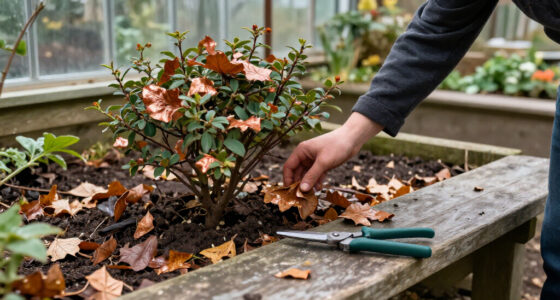
Gardeners can begin by checking plants that suffered visible damage during the growing season, then inspect nearby twigs, bark, outdoor furniture, and plant debris for the signs described in the report. After a hard frost, remove old iris leaves if iris borers have been a problem. Bag or discard infested material as directed rather than leaving it where pests can shelter or adding it to compost when the source advises against that.
In winter and before spring growth begins, gardeners may revisit woody plants for egg masses and consider dormant treatments only where appropriate and label-compliant. Leave undisturbed areas that may provide shelter for beneficial insects, and reassess plants as new growth appears.
Key Questions
Which pests does the fall cleanup report cover?
It lists squash bugs, viburnum leaf beetles, eastern tent caterpillars, spongy moths, iris borers, scale insects, and aphids.
Why look for pest eggs and shelters in fall?
The report says many pests remain through winter as eggs, pupae, or inactive adults in fixed locations. Fallen leaves can also make some egg masses easier to see.
Should I remove all leaves and old stems?
No. Gardening Know How warns that beneficial insects and native bees may overwinter in leaf litter and hollow stems. It recommends focusing cleanup on known problem areas.
How should I handle pesticides mentioned in the report?
Use a pesticide only when it is suitable for the pest and site, and follow its label directions, including protective equipment and application instructions. The report does not establish that a product is appropriate for every garden.
Source: gardeningknowhow.com