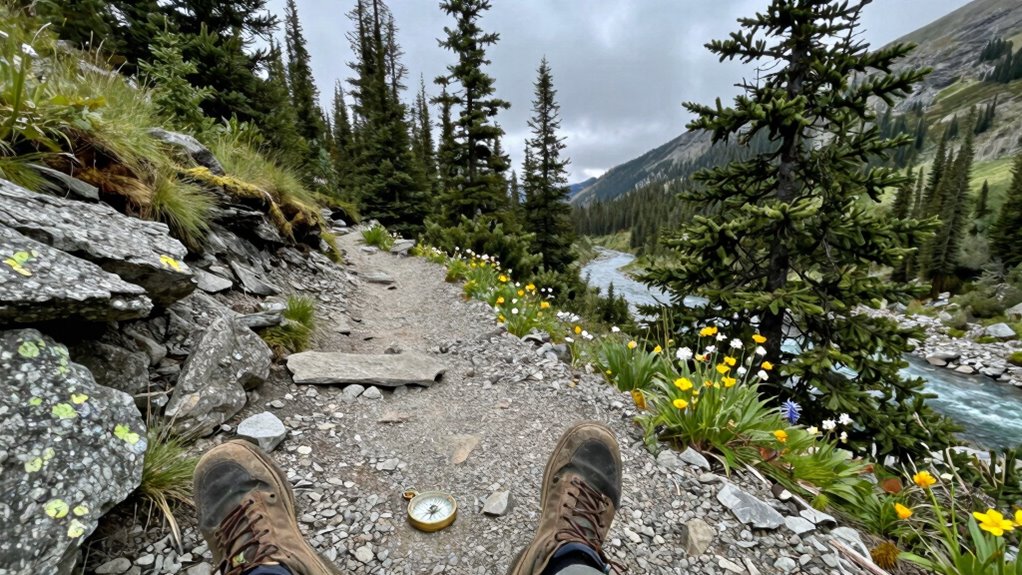

Learning the local terrain improves your survival odds by helping you navigate safely, find crucial resources, and spot dangers early. By understanding natural features like water sources, shelter spots, and landmarks, you can plan better routes and avoid hazards. Recognizing wildlife signs and weather patterns adds extra layers of awareness, keeping you prepared for sudden changes. Keep exploring to uncover more ways terrain knowledge can turn the landscape into your greatest ally in survival situations.

Get garden gear delivered free — and shop member deals
- Fast, free delivery on millions of items
- Access to Prime Big Deal Days deals on October 6–7
- Prime Video, Amazon Music and more included
Key Takeaways
- Understanding terrain helps identify safe routes, hazards, and natural resources crucial for survival.
- Recognizing terrain features enables effective shelter placement and resource location.
- Terrain knowledge aids in predicting weather patterns and avoiding environmental dangers.
- Reading environment signs and wildlife behavior guides safe navigation and risk assessment.
- Familiarity with local terrain improves planning and adaptability in unpredictable survival situations.
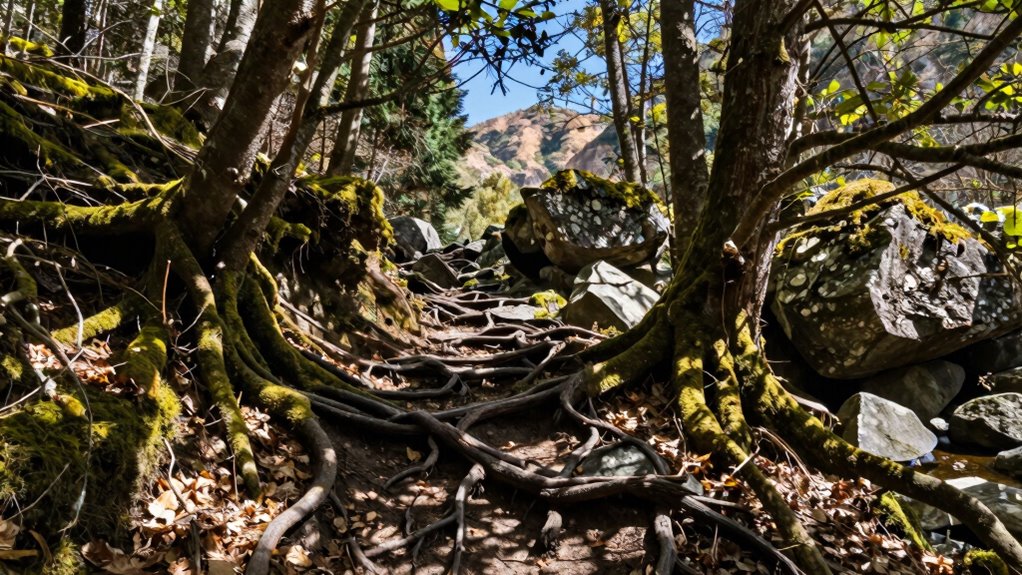
Understanding the local terrain can mean the difference between survival and danger when you’re in unfamiliar territory. When you take the time to learn the landscape, you gain critical insights that can help you navigate safely and avoid hazards. Recognizing natural features like water sources, shelter options, and potential threats allows you to plan your movements more effectively. For example, knowing where rivers or streams are located can provide essential hydration points, while understanding the terrain’s elevation helps you anticipate weather changes and avoid flood-prone areas.
Learning the terrain helps you navigate safely, find resources, and avoid hazards in unfamiliar environments.
Wildlife behavior is a crucial aspect of understanding the terrain. Animals often follow specific patterns that reveal safe routes, feeding grounds, or danger zones. If you observe where animals gather or avoid, you can better predict what might be lurking nearby or what areas to steer clear of. For instance, animal trails leading toward water sources indicate reliable hydration spots, but they can also mean increased risk of encounters with predators or aggressive species. Recognizing these signs helps you make smarter decisions about where to travel or set up camp, reducing the chances of surprise encounters.
Weather patterns are equally important when learning the terrain. Local weather can shift rapidly and dramatically, especially in unfamiliar environments. By paying attention to cloud formations, wind direction, and temperature changes, you can anticipate storms, cold snaps, or heatwaves. This awareness allows you to seek shelter proactively, avoiding exposure that could weaken your body or cause hypothermia or heatstroke. Understanding how weather influences the landscape, such as how rain can turn dirt into mud or cause flash floods, ensures you stay prepared and adaptable.
Additionally, understanding topographical features like slopes, valleys, and ridges can help you identify safer routes and strategic locations for shelter. Incorporating knowledge of wildlife behavior and weather patterns into your understanding of the terrain gives you a strategic advantage. When you know where water and shelter are located, how animals move, and what weather to expect, your chances of survival greatly improve. You can plan routes that maximize safety, find resources more efficiently, and avoid dangerous areas. Learning these aspects of the terrain isn’t just about navigation; it’s about reading the environment to stay alert and responsive at all times. By doing so, you turn the landscape from a potential threat into an ally in your survival efforts.
As an affiliate, we earn on qualifying purchases.
Frequently Asked Questions
How Can I Identify Safe Water Sources in Unfamiliar Terrain?
To identify safe water sources in unfamiliar terrain, look for flowing water like streams or springs, which are less likely to be contaminated. Avoid stagnant water and water near human activity or animal trails. Always purify water using boiling or filtration methods before drinking. For water sourcing, follow natural signs like lush vegetation or animal tracks leading to water, but remember, purification is essential to prevent illness.
What Tools Are Best for Navigating Local Terrain?
Getting through local terrain is like reading a familiar story, and your best tools are topographic maps and a compass. Use maps to understand elevation changes and natural features, while a compass keeps you oriented. Together, they guide you through unfamiliar landscapes, helping you avoid hazards and find safe routes. Mastering these tools guarantees you can find your way confidently, even when the terrain looks confusing or challenging.
How Does Local Terrain Affect Weather and Shelter Options?
You’ll find that local terrain influences weather and shelter choices through microclimate patterns and vegetation indicators. For example, valleys may trap cold air, making them colder and damp, while south-facing slopes receive more sunlight, creating warmer microclimates ideal for shelter. Vegetation indicators, like dense trees or shrubs, show windbreaks or moisture levels, guiding you to suitable shelter spots. Understanding these factors helps you adapt to changing weather conditions effectively.
What Signs Indicate Nearby Danger or Hazards?
You can spot nearby danger by observing wildlife behaviors, like sudden movements or aggressive actions, which often signal predators or threats. Pay attention to plant indicators, such as unusual growths or damaged foliage, that might suggest nearby hazards like toxic plants or environmental instability. Stay alert for signs like animal carcasses or disturbed ground, which could indicate predators or other dangers lurking nearby, helping you avoid potential threats.
How Can Terrain Knowledge Help Find Rescue or Signaling Spots?
Knowing terrain patterns and natural landmarks helps you spot ideal rescue or signaling spots quickly. You can identify open areas for signaling devices or fires, and locate high ground for better visibility. Recognizing familiar terrain features allows you to navigate efficiently and reach safe zones faster. Using natural landmarks as reference points guarantees you don’t get lost, making your rescue efforts more effective and increasing your chances of being found.
Conclusion
By mastering the contours of your surroundings, you become a navigator in a vast, uncharted wilderness. Think of the terrain as a trusted map whispering secrets—hidden water sources, safe shelters, and danger zones. When you understand the land’s language, you transform from a lost wanderer to a confident explorer. So, take the time to learn your local terrain; it’s your silent guardian, guiding you safely through the unpredictable wilderness that awaits.
Fall yard work Picks
leaf blowers
As an affiliate, we earn on qualifying purchases.