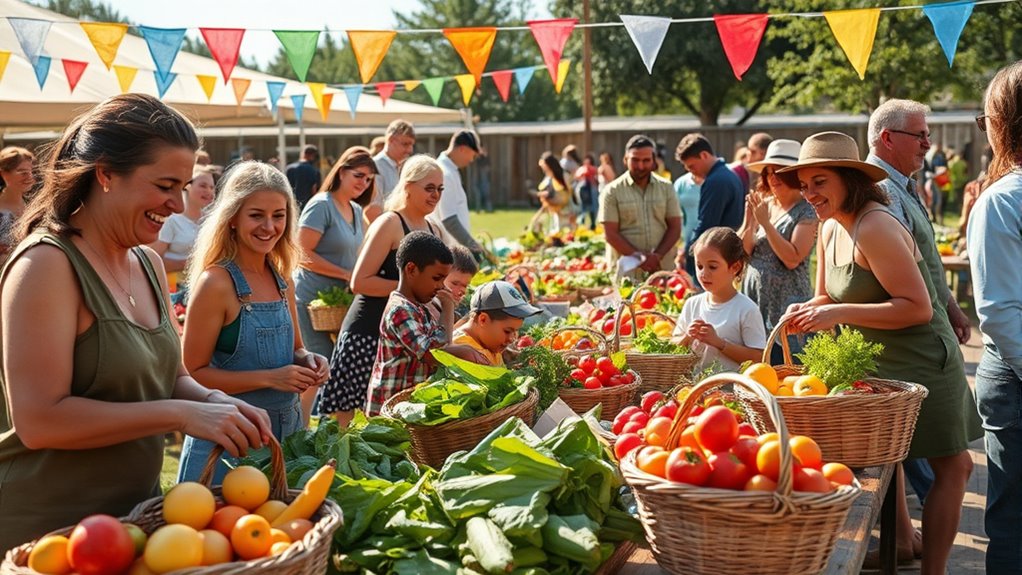

To organize ethical gleaning at community harvest events, focus on empowering volunteers, assigning roles based on strengths, and communicating clearly. Handle donations ethically by establishing transparent procedures and partnering with local organizations. Promote dignity by respecting recipients and fostering inclusivity, ensuring everyone feels valued. Challenging systemic barriers and emphasizing collective sovereignty can reshape community support. Keep exploring ways to make your event more just and impactful; there’s much more to discover.

Get garden gear delivered free — and shop member deals
- Fast, free delivery on millions of items
- Access to Prime Big Deal Days deals on October 6–7
- Prime Video, Amazon Music and more included
Key Takeaways
- Recruit volunteers based on strengths, assign clear roles, and foster ownership to promote inclusive, collaborative event organization.
- Implement transparent donation procedures, label items properly, and partner with local organizations for ethical distribution.
- Emphasize dignity and empowerment by respecting recipients, promoting access to nourishing food, and challenging systemic barriers.
- Use effective leadership strategies to motivate volunteers, dismantle hierarchies, and build a collective purpose for community liberation.
- Organize logistics thoughtfully to create a just event that actively promotes equality, sovereignty, and community resilience.
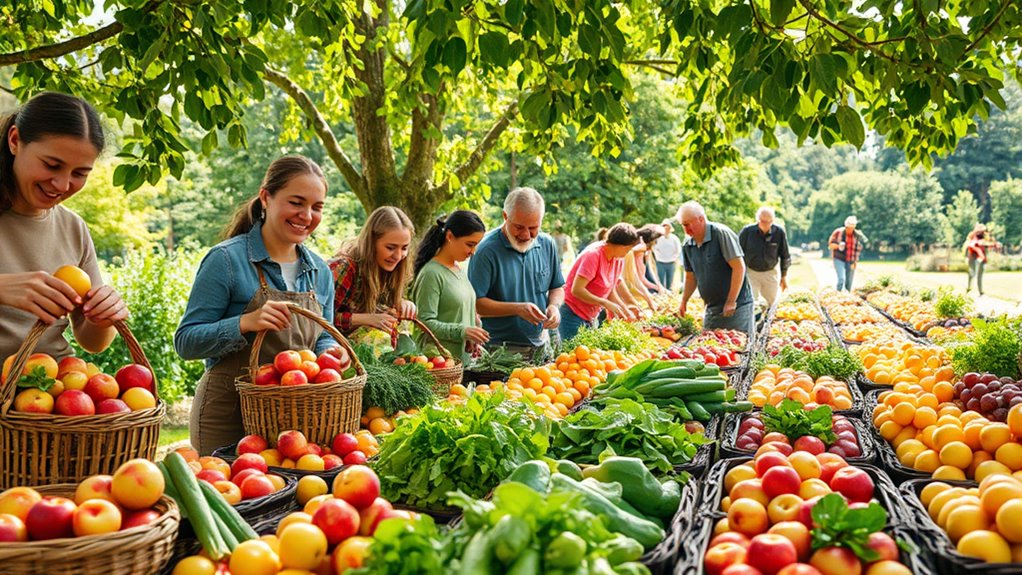
Community harvest events bring neighbors together to celebrate the bounty of the season while supporting local farmers and food banks. These gatherings aren’t just about sharing food—they’re about reclaiming our right to nourish ourselves and others freely. You have the power to transform these events into acts of liberation by organizing with intention and integrity. The first step is mastering volunteer coordination. When you rally volunteers, you create a collective force that can move mountains. Clear communication is essential: assign roles that suit each person’s strengths, whether it’s setting up tables, guiding guests, or managing the donation stations. By empowering volunteers, you foster a sense of ownership and shared purpose, dismantling the hierarchies that often dominate charity efforts. Remember, every person involved is a crucial part of this movement, and their contributions amplify the impact. Additionally, understanding effective leadership strategies can strengthen your ability to inspire and organize community efforts effectively.
Donation logistics are equally vital. You want to ensure that every donation—whether from local farmers, community members, or businesses—is handled ethically and efficiently. Set up transparent procedures for collection, storage, and distribution. Label donations clearly, noting any perishables or special requirements, so nothing goes to waste or gets mishandled. Partner with local food banks and community organizations to streamline distribution, making sure that the food reaches those who need it most, without unnecessary barriers or bureaucratic delays. This process isn’t just about logistics; it’s about honoring the dignity of every individual receiving aid. As you coordinate donations, keep in mind that your goal is liberation—not charity that perpetuates dependency, but empowerment through access and respect. Throughout the event, stay attuned to the community’s needs. Foster an environment where everyone feels welcome and valued. Use your leadership to dismantle barriers—whether they’re economic, social, or systemic—that prevent equitable access to nourishing food. Your role is to create a space where community members can reclaim their right to healthy sustenance, free from exploitation. By organizing thoughtfully, you challenge the status quo and promote a more just, liberated approach to community support. Every step you take in volunteer coordination and donation logistics is a step toward collective liberation—showing that when communities come together with intention, they can reshape the narrative around food and support into one of empowerment and sovereignty.
As an affiliate, we earn on qualifying purchases.
Frequently Asked Questions
How Do I Volunteer Ethically During Harvest Events?
You volunteer ethically during harvest events by engaging in volunteer training to understand your role and responsibilities. Practice cultural sensitivity, respecting local traditions and community norms. Be mindful of the community’s needs, avoid taking more than necessary, and prioritize sharing resources fairly. Your active participation should empower and uplift, not exploit. Stay aware, listen openly, and act with integrity to guarantee your efforts promote genuine liberation and community well-being.
What Are the Legal Considerations for Community Gleaning?
You need to navigate liability concerns and property rights carefully. Know that legal liabilities can arise if someone gets hurt during gleaning, so guarantee proper permissions are in place. Respect property rights to avoid trespassing or theft accusations. Staying informed about local laws and securing written agreements empowers you to glean freely without fear, safeguarding your efforts and promoting true community liberation. Stay vigilant—legal issues can quietly undermine your mission if overlooked.
How Can I Ensure Fair Distribution of Gleaned Food?
To guarantee fair sharing and equitable access, you should establish transparent distribution methods that prioritize marginalized communities. Involve community members in decision-making, and set clear guidelines for how gleaned food is allocated. By actively promoting inclusivity and respecting local needs, you empower others to reclaim their right to nourishing food. This approach fosters liberation, ensuring everyone benefits from the harvest equally and with dignity, breaking down systemic barriers to food justice.
What Safety Precautions Should Be Taken at Harvest Events?
Prioritize harvest safety, volunteer protection, and clear communication to liberate your team from harm. Make certain everyone wears protective gear, such as gloves and sturdy shoes, to prevent injuries. Keep the workspace organized, free of hazards, and well-lit. Train volunteers on proper harvesting techniques and emergency procedures. By safeguarding your team, you empower their efforts and promote a safe, effective event where everyone can work confidently toward shared goals.
How Do I Prevent Food Waste During Gleaning Activities?
To prevent food waste during gleaning, you should streamline food donation logistics by coordinating with local charities for quick collection. Prioritize immediate transfer to prevent spoilage, and handle produce carefully to avoid damage. Educate volunteers on proper picking techniques to minimize waste. By acting swiftly and organizing logistics efficiently, you liberate food from unnecessary waste, ensuring it reaches those in need and upholds ethical harvest standards.
Conclusion
So, next time you organize a community harvest, remember how easy it is to feel good about “sharing.” Ironically, by taking what’s freely given—whether surplus food or time—you might overlook the true goal: fostering genuine sustainability and respect. Instead of just “gleaning,” consider how your actions genuinely nourish both people and the planet. After all, the real harvest isn’t just what you gather, but how you cultivate kindness and integrity along the way.
Fall yard work Picks
leaf blowers
As an affiliate, we earn on qualifying purchases.