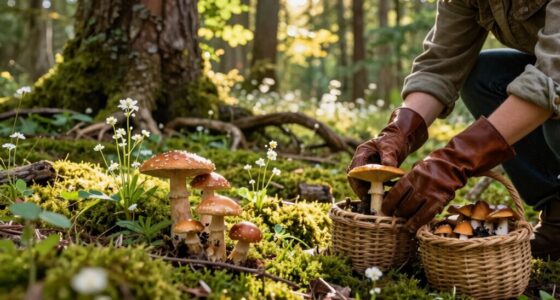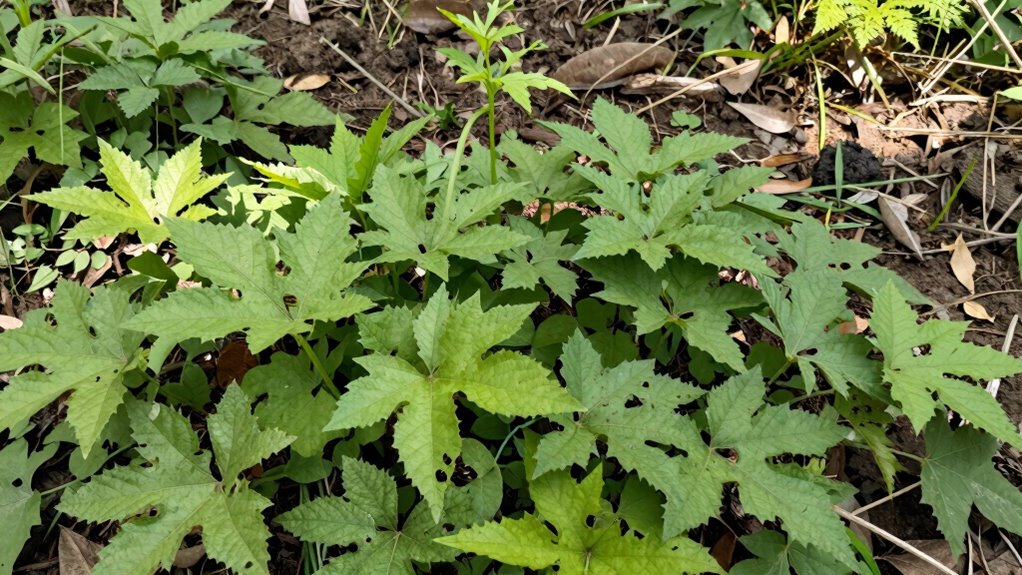

Overharvesting easy-to-find plants might seem harmless since they’re abundant, but it can cause serious ecological harm. Removing too much from healthy populations disrupts ecosystems, leading to soil erosion and loss of biodiversity. It also affects species that depend on these plants for food and habitat. Even common plants play an essential role in maintaining ecological balance. Keep exploring to discover better ways to harvest responsibly and help protect these crucial resources for everyone.
Key Takeaways
- Overharvesting easy-to-find plants can still deplete local populations and harm ecosystem balance.
- Excessive collection reduces biodiversity and disrupts habitats for various species.
- Removing mature parts indiscriminately can impair plant regeneration and long-term sustainability.
- Even common plants may be threatened if harvesting is unmanaged or unsustainable.
- Responsible harvesting practices help preserve plant populations and ecological health.
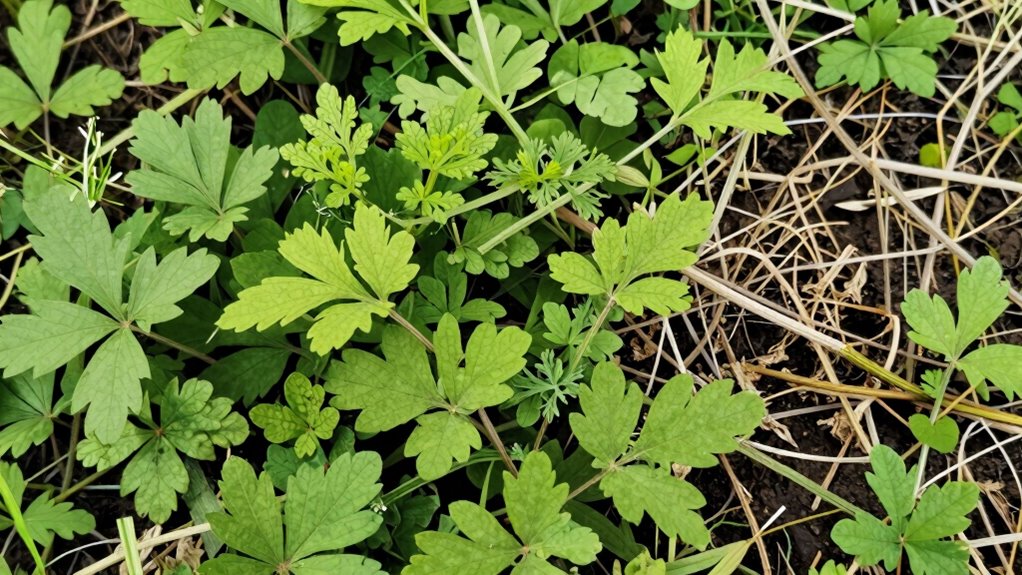
Many people overlook how easily accessible plants can be overharvested, but this practice threatens their long-term survival. When you pick plants without considering their ability to regenerate, you risk depleting local populations and disrupting entire ecosystems. Overharvesting doesn’t just reduce the number of plants; it affects the ecological balance that sustains other species, from insects to larger animals. If you want to enjoy the benefits of wild plants responsibly, understanding sustainable harvesting is essential. This means collecting only what you need, taking from healthy populations, and leaving enough behind to allow regeneration. By doing so, you help preserve the plant’s ecological role and guarantee future growth.
Responsible harvesting protects plant populations and preserves ecosystems for future generations.
The ecological impact of overharvesting can be profound. When plants are removed indiscriminately, soil erosion can increase, and the loss of native flora can lead to reduced biodiversity. These changes ripple through the environment, often resulting in the decline of species that depend on those plants for food or habitat. For example, overharvesting certain herbs or berries can lead to a decrease in food sources for wildlife, which can weaken local ecosystems over time. As a gatherer, your choices matter; harvesting sustainably minimizes these adverse effects and maintains the natural balance. It’s not just about protecting plants but about safeguarding entire habitats that rely on their presence. Recognizing the importance of plant regeneration is key to ensuring these resources remain available. Incorporating native plants into your harvesting practices further supports local ecosystems by maintaining their natural diversity. Understanding the life cycles of plants can also guide you in harvesting at the right times for optimal regeneration.
You might think that taking a little here and there isn’t a big deal, but when many people do so without restraint, the cumulative effect can be devastating. That’s why adopting sustainable harvesting practices is essential. You should be aware of plant life cycles, harvesting only mature parts, and avoiding rare or endangered species altogether. Using tools thoughtfully and not damaging the roots or surrounding vegetation promotes healthier regrowth. Educating yourself about which plants are abundant versus those that are vulnerable helps you make informed decisions in the field. Practicing these mindful techniques ensures that wild resources remain accessible and healthy for future foragers.
sustainable wild plant harvesting tools
As an affiliate, we earn on qualifying purchases.
As an affiliate, we earn on qualifying purchases.
Frequently Asked Questions
How Can Consumers Identify Sustainably Harvested Easy-To-Find Plants?
To identify sustainably harvested easy-to-find plants, look for products with clear plant certification labels, which indicate responsible practices. Check if the supplier adheres to harvesting quotas, ensuring they don’t collect more than is sustainable. Research brands committed to sustainable harvesting methods, and ask questions about their sourcing practices. By staying informed and choosing certified products, you help protect plant populations and promote eco-friendly harvesting.
What Are Alternative Plants to Overharvested Species?
You should explore alternative plants that are sustainably cultivated through responsible practices. Look for species grown with ethical sourcing and eco-friendly cultivation methods, which reduce pressure on wild populations. For example, consider herbs like lemon balm or mint instead of overharvested medicinal plants. Supporting farms that prioritize sustainable cultivation practices helps protect vulnerable species, ensuring you enjoy natural products without contributing to overharvesting issues.
How Do Local Communities Manage Plant Harvesting Sustainably?
You play a crucial role in preserving traditions by supporting sustainable practices. Local communities manage plant harvesting by respecting traditional practices rooted in cultural significance, ensuring plants aren’t overexploited. They often implement seasonal restrictions, rotational harvesting, and community monitoring—like guardians of a sacred garden. By honoring these methods, you help maintain ecological balance, ensuring future generations can also cherish and learn from nature’s gifts, symbolized by the enduring strength of cultural heritage.
What Policies Regulate Plant Harvesting in Different Regions?
You should know that regulations vary across regions, with some enforcing policies strictly through regulation enforcement, like permits and harvest limits. However, policy gaps often leave loopholes, making sustainable harvesting difficult to enforce. In many areas, governments are working to close these gaps by updating laws, increasing monitoring, and promoting community involvement. Staying informed about local policies helps you harvest responsibly and supports conservation efforts.
Are There Any Ecological Benefits to Overharvesting?
You might think overharvesting offers no ecological benefits, but in some cases, it can boost ecosystem resilience and promote genetic diversity. By removing dominant or overgrown plants, you allow room for new growth and diverse species to thrive. This natural thinning process can help ecosystems adapt better to environmental changes, ensuring long-term stability and health. However, balance remains essential to prevent long-term harm.
Conclusion
If you keep overharvesting those easy-to-find plants, you’re risking a world where forests are barren wastelands and the air is thick with silence. Imagine a future where every green leaf is gone, replaced by endless concrete and steel, crushing the last whispers of life. Don’t let your actions turn vibrant ecosystems into ghost towns. Protect what’s left, or soon, there’ll be nothing left to find—except memories of what once was.