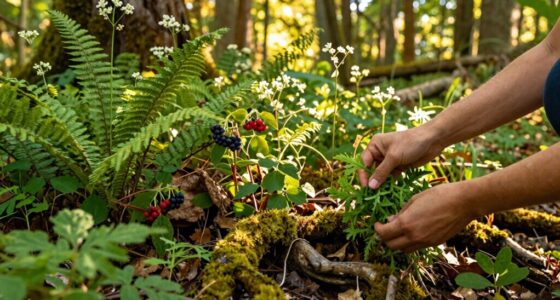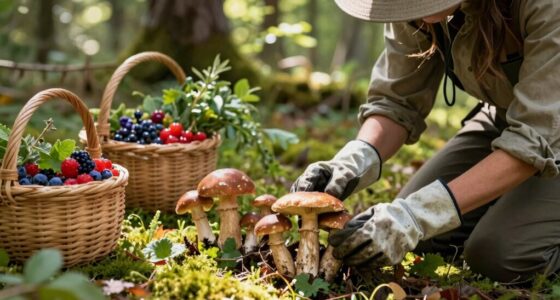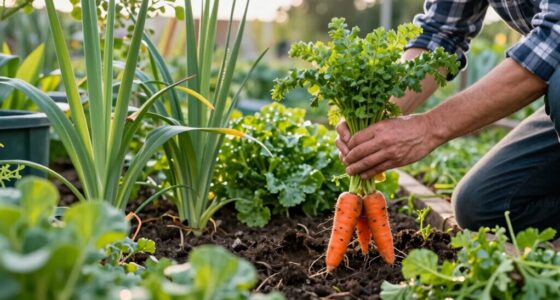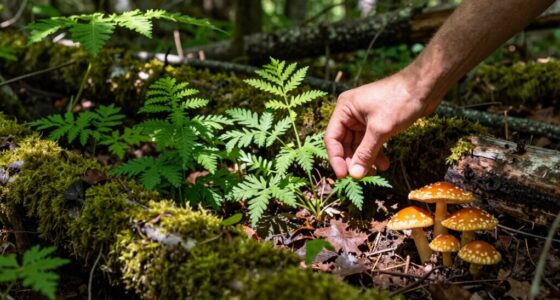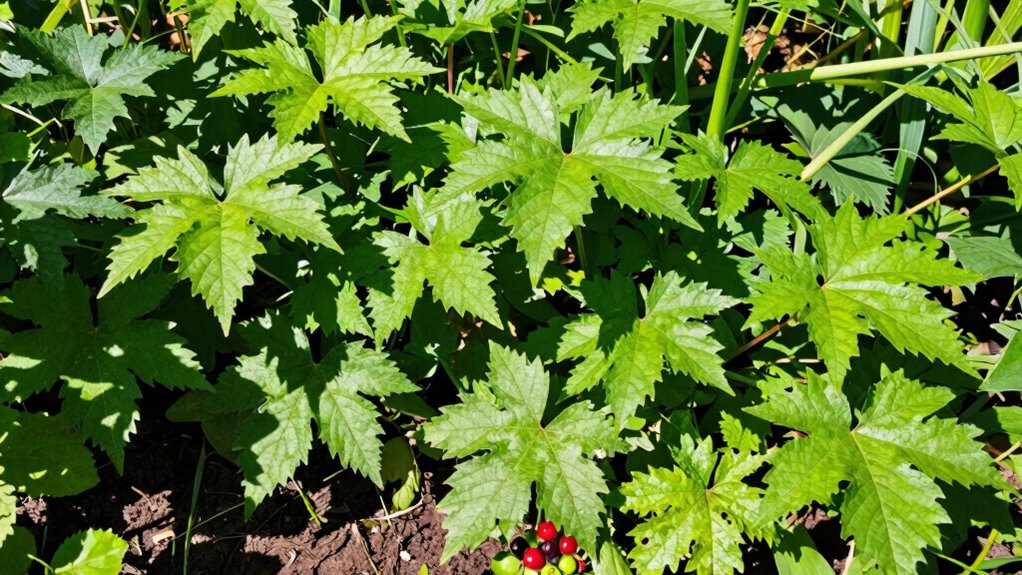

Invasive edibles deserve more attention because they can boost your diet with nutritious, sustainable foods while helping control invasive species. By responsibly foraging, you can reduce reliance on resource-intensive crops and support local ecosystems. Many of these plants also hold cultural and culinary significance, deepening your connection to land and tradition. Embracing their potential challenges you to think differently about invasive species—if you want a deeper understanding, there’s more to discover.

Get garden gear delivered free with Prime
- Fast, free delivery on millions of items
- Prime Video, Amazon Music and more included
- Member-only deals all year
Key Takeaways
- Invasive edibles can provide nutritious food sources while helping control their spread naturally.
- Responsible harvesting of invasive plants supports ecological balance and native ecosystem health.
- Recognizing their cultural significance fosters respect and sustainable use in local traditions.
- Proper identification ensures safe consumption and minimizes ecological risks.
- Promoting awareness of invasive edibles encourages innovative, sustainable, and resource-efficient food practices.
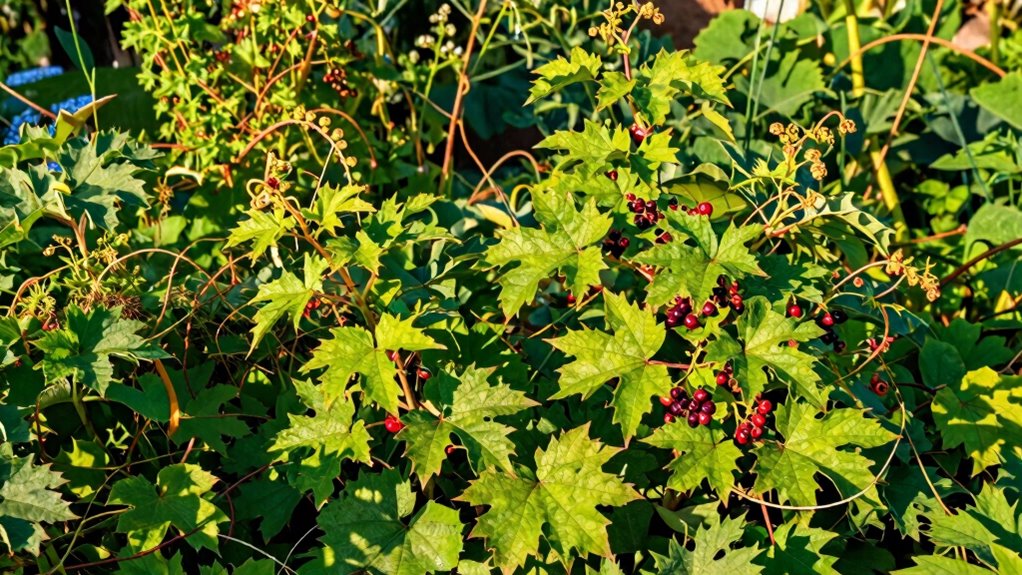
While invasive plants often get a bad rap, their edible counterparts are frequently overlooked despite offering valuable benefits. Many invasive species, such as Japanese knotweed or dandelions, are not only edible but also carry potential to enrich your diet and local ecosystems. Recognizing their culinary and ecological roles can change how you view these plants. Instead of dismissing them solely as threats, you can explore their uses while being mindful of ecological impacts. Some invasive edibles can be harvested sustainably, reducing reliance on cultivated crops that often require significant resources. By incorporating these plants into your routine, you might help control their spread naturally while gaining access to nutritious foods. This dual benefit highlights the importance of understanding their ecological impacts—while they can threaten native species and disrupt local habitats, they also offer opportunities for innovation in foraging and sustainable food sources. Additionally, exploring traditional uses of these plants can reveal long-standing knowledge and practices that support responsible harvesting. Cultural significance plays a key role in how these plants are perceived and used. Many invasive edibles have a long history rooted in traditional practices, recipes, or folk medicine. For instance, certain invasive greens have been part of local cuisines for generations, valued for their medicinal properties or unique flavors. By acknowledging this cultural context, you deepen your appreciation for these plants beyond their invasive status. You might find that some communities have already developed sustainable methods for harvesting and utilizing these species, demonstrating resilience and adaptability. Recognizing their cultural significance can foster respect and curiosity, encouraging responsible foraging and conservation efforts. It is also important to consider plant identification to ensure safe and proper use of these species. It also opens the door to sharing knowledge about how to incorporate these plants into modern diets safely and ethically. Ultimately, paying attention to invasive edibles allows you to see beyond the negative narrative. You can contribute to ecological balance by learning when and how to harvest these plants responsibly, reducing their harmful impacts on native ecosystems. Simultaneously, you honor cultural traditions and histories tied to these species, enriching your connection to the land and its history. Embracing invasive edibles isn’t about glorifying invasive species but understanding their complex roles and potential benefits. This balanced perspective can lead to more sustainable, innovative approaches to food, conservation, and cultural preservation. By giving these plants more attention, you open yourself to a world of culinary exploration, ecological awareness, and cultural understanding—all essential steps toward a more sustainable relationship with nature.
As an affiliate, we earn on qualifying purchases.
Frequently Asked Questions
How Can Invasive Edibles Benefit Local Ecosystems?
Invasive edibles can benefit local ecosystems by altering native plant interactions in positive ways. When carefully managed, they can provide additional food sources for pollinators, supporting their populations. You can help by planting invasive edibles in a way that complements native plants, boosting pollinator benefits without overwhelming local biodiversity. This balance encourages a resilient ecosystem where invasive edibles contribute to pollination and overall ecological health.
Are All Invasive Edible Species Safe to Consume?
Only some invasive edible species are safe to eat, as toxicity concerns vary widely. For example, certain invasive plants contain harmful compounds that can cause illness or allergic reactions. Cultural acceptance also influences safety—what’s edible and safe in one region might be toxic elsewhere. Always research specific species thoroughly before consumption, and consult local experts, because assuming all invasive edibles are safe can lead to serious health risks.
What Are the Economic Impacts of Harvesting Invasive Edibles?
You’ll find that harvesting invasive edibles impacts the economy through fluctuating market demand and harvesting challenges. As demand rises, more effort and resources are needed, which can boost local economies but also strain ecosystems. Conversely, harvesting challenges, like difficulty accessing dense infestations, may increase costs. Overall, managing invasive edibles can offer economic benefits if balanced with sustainable practices, but neglecting these factors risks ecological harm and financial loss.
How Do Invasive Edibles Spread to New Areas?
You might be surprised to learn that invasive edibles spread to new areas mainly through seed dispersal by animals, water, and human activity. Around 80% of invasive plants rely on animals to carry seeds across native species, helping them colonize quickly. This process allows invasive edibles to outcompete native species, disrupting local ecosystems and spreading into previously untouched areas, often unnoticed until they become problematic.
Can Consuming Invasive Edibles Help Control Their Spread?
Consuming invasive edibles can help control their spread, but only if you do so responsibly. Wild harvesting removes plants from the environment, reducing their ability to reproduce and spread further. However, you should consider ethical considerations, such as avoiding damage to native species or habitats. Always guarantee you’re harvesting sustainably, respecting local regulations, and minimizing environmental impact while actively helping to manage invasive species.
Conclusion
You might see invasive edibles as nuisances, but they hold untapped potential. While they threaten native ecosystems, they also offer a resilient food source in uncertain times. It’s a paradox—you could destroy ecosystems or turn invasive plants into sustainable sustenance. Recognizing their value doesn’t mean ignoring the harm; it means embracing a nuanced approach. Invasive edibles deserve your attention not just as threats, but as opportunities waiting to be explored.
Fall yard work Picks
leaf blowers
As an affiliate, we earn on qualifying purchases.