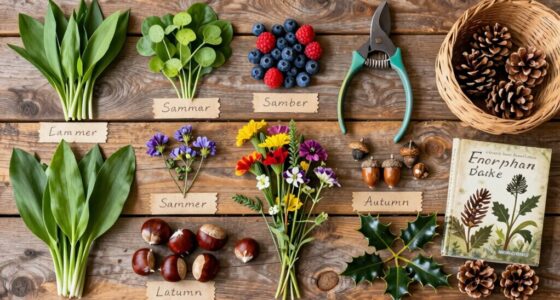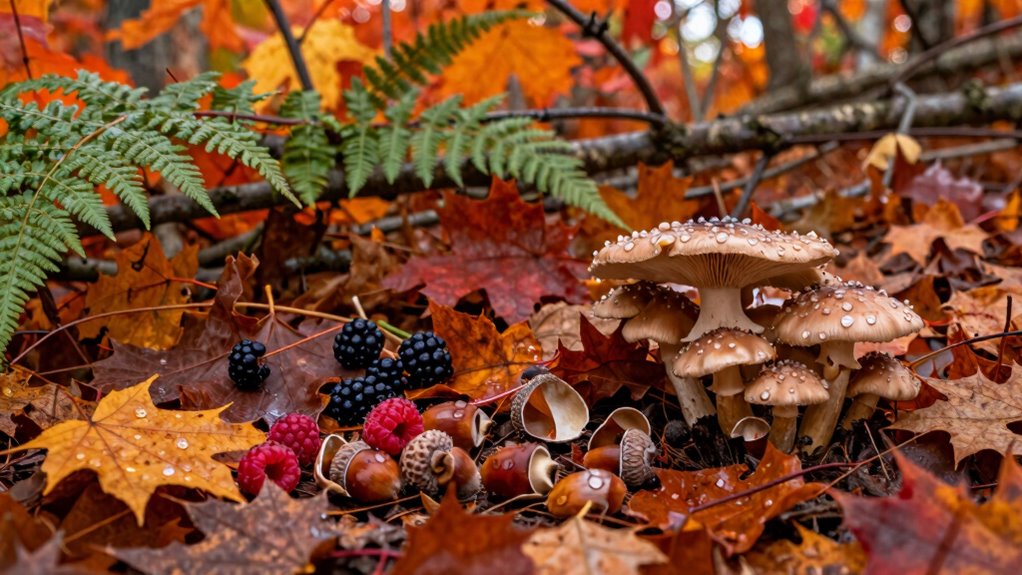

Autumn foraging holds overlooked strength because it reveals unique edible treasures and boosts flavor and diversity in wild greens, berries, and fungi. Cooler weather and falling leaves uncover hidden seasonal options, offering fresh ingredients often missed in other seasons. It’s a time when you can find flavorful herbs, berries, and mushrooms, but safety is key—proper identification and responsible harvesting matter. Keep exploring, and you’ll discover how this season’s potential can truly enhance your foraging adventures.

Get garden gear delivered free — and shop member deals
- Fast, free delivery on millions of items
- Access to Prime Big Deal Days deals on October 6–7
- Prime Video, Amazon Music and more included
Key Takeaways
- Autumn offers a diverse array of edible greens, berries, and fungi that are often underappreciated.
- Cooler temperatures enhance flavor profiles and increase the availability of seasonal foraging options.
- The season’s leaf changes reveal hidden foraging opportunities and easier identification of edible plants.
- Responsible foraging in autumn supports sustainability and environmental conservation efforts.
- Increased knowledge and safety awareness unlocks the full potential of autumn’s foraging treasures.
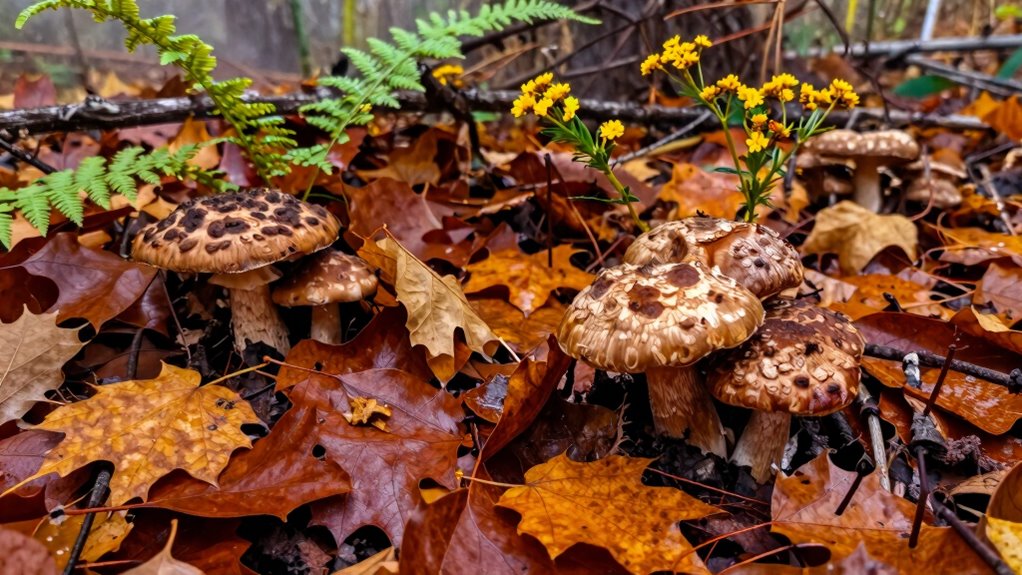
Autumn often gets overshadowed by the more vibrant seasons, but it offers unique foraging opportunities that many overlook. As the leaves turn and temperatures cool, you’re presented with an array of edible treasures hiding in plain sight. However, venturing into the woods during this season requires a keen eye and careful planning, especially when it comes to wild mushroom identification. Mushrooms can be tricky—many look alike, and some are deadly. You need to learn how to distinguish safe varieties from toxic ones, paying close attention to features like cap shape, gill structure, stem characteristics, and spore color. Relying on field guides, joining foraging groups, or consulting experienced foragers can boost your confidence and accuracy. Remember, seasonal foraging safety isn’t just about knowing what’s edible; it’s about understanding the risks and taking measures to prevent poisoning. Never pick a mushroom unless you’re 100% sure of its identity. When in doubt, leave it behind. It’s better to be safe than sorry.
Autumn’s cooler weather also means many wild herbs and greens are at their peak. Leaves, berries, and roots become more accessible, often more flavorful after the summer growth spurt. For example, wild garlic, sorrel, and radicchio-like greens thrive now, offering fresh additions to your meals. Be cautious, though—some plants might resemble toxic look-alikes, so accurate identification is essential. Always cross-reference with reliable sources, and if you’re unsure, err on the side of caution. Seasonal foraging safety extends beyond mushrooms; it involves understanding the environment and the plant life cycle. You don’t want to disrupt fragile ecosystems or harvest endangered species, so educate yourself on sustainable foraging practices. Additionally, understanding the standards for ethical foraging helps protect the ecosystems for future seasons. Learning about harvesting guidelines can help ensure that foraging remains sustainable and beneficial for the environment.
Autumn also means shorter days, so plan your foraging expeditions during daylight hours. Dress appropriately for the weather, and carry a sturdy basket or bag to collect your finds without damaging the plants or fungi. Keep track of what you gather, noting locations and conditions, which can help with future identification. As you explore, remember that your safety depends on patience and knowledge. Don’t rush, and take your time to observe every detail. Autumn foraging can be incredibly rewarding, but it requires respect for nature and a commitment to safety. When done responsibly, it unlocks a season’s worth of flavors and discoveries that many overlook. With the right approach, you’ll find that autumn’s quiet beauty hides some of the most interesting and delicious finds of the year.
wild mushroom foraging guidebook
As an affiliate, we earn on qualifying purchases.
As an affiliate, we earn on qualifying purchases.
Frequently Asked Questions
What Are Common Safety Concerns When Foraging in Autumn?
When foraging in autumn, you should be cautious about wild mushroom identification and recognizing poisonous plants. Always double-check mushrooms before picking, as some are deadly if misidentified. Be aware of poisonous plants that can resemble edible ones, and avoid eating anything you’re unsure of. Use a reliable guide or expert, and stay aware of your surroundings to prevent accidental poisoning. Safety is key for a successful and enjoyable foraging experience.
How Do Seasonal Changes Affect Edible Plant Availability?
Seasonal changes are like a shifting tide, affecting edible plant availability. You’ll notice a burst of seasonal abundance in autumn, with many plants reaching peak ripeness. However, plant migration causes some species to move away or become scarce, making it essential to identify which plants are still accessible. By understanding these patterns, you can maximize your foraging efforts and enjoy the bounty before it’s gone.
Can Autumn Foraging Be Sustainable and Eco-Friendly?
Yes, autumn foraging can be sustainable and eco-friendly if you follow harvesting ethics, like taking only what you need and avoiding overharvesting. By respecting local regulations and identifying native plants, you help preserve biodiversity and guarantee future foraging opportunities. Practicing responsible foraging minimizes environmental impact, supports ecosystem health, and maintains the balance of wild habitats. Your mindful approach makes autumn foraging a positive, sustainable activity.
What Tools Are Essential for Autumn Foraging Trips?
You’ll want essential foraging gear like a sturdy basket or mesh bag to carry your finds comfortably. A good knife helps with harvesting, while gloves protect your hands. Don’t forget a plant identification guide or app to accurately distinguish edible plants from look-alikes. A small knife or scissors, a notebook for notes, and a waterproof map can also enhance your trip. These tools keep your foraging safe, efficient, and enjoyable.
How Can Beginners Identify Edible Autumn Plants Safely?
Think of plant identification as your guiding compass in autumn foraging. To stay safe, learn to spot key features like leaf shape, color, and texture, and compare them with trusted guides or apps. Always follow foraging etiquette—ask permission if you’re unsure about private land. When in doubt, leave it out. Practice cautious observation, and you’ll confidently harvest edible plants without risking safety.
Conclusion
As summer’s warmth fades into autumn’s chill, you might overlook the quiet power of foraging. While the season’s crisp air and falling leaves seem like gentle reminders of change, they hide a bounty waiting to be uncovered. You could see only the slowing days, or you could embrace the vibrant treasures beneath your feet. In autumn’s stillness, find strength and sustenance—reminding yourself that even in quiet moments, growth and abundance still thrive.
Fall Picks
fall essentials
As an affiliate, we earn on qualifying purchases.