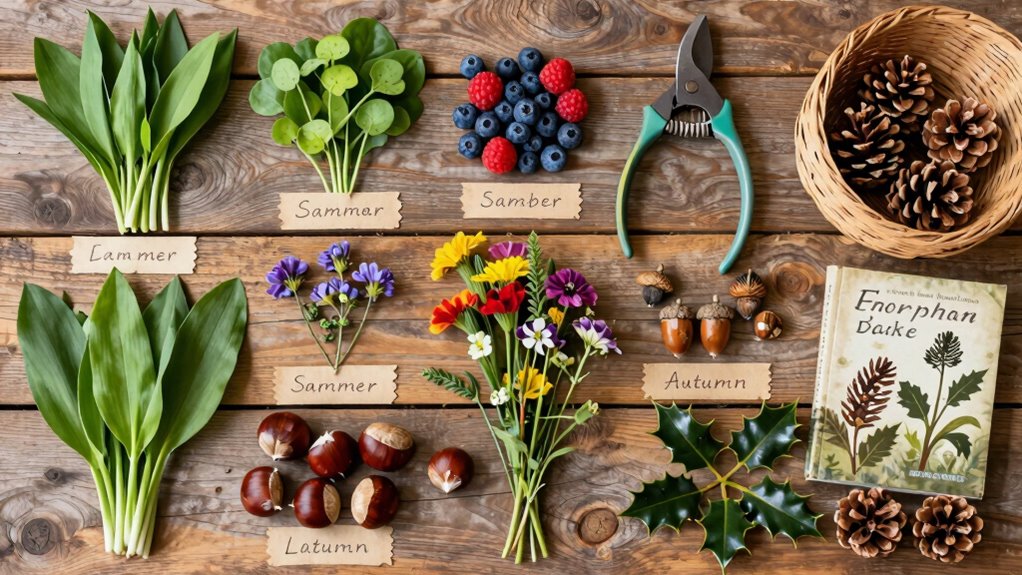
To build a four-season wild food calendar, start by researching seasonal wild edibles for your region, noting their peak harvesting times. Track when plants, berries, fungi, and greens are ripe, and document these dates for future reference. Use preservation techniques like drying and freezing to extend your harvests and plan sustainably. Keep detailed records and explore digital tools to help. If you keep exploring, you’ll find tips to refine your seasonal foraging for sustainability and abundance.

Get garden gear delivered free — and shop member deals
- Fast, free delivery on millions of items
- Access to Prime Big Deal Days deals on October 6–7
- Prime Video, Amazon Music and more included
Key Takeaways
- Research and document regional wild foods’ seasonal availability and peak harvesting times for each season.
- Create a timeline noting when specific plants, berries, fungi, and greens are ripe and best for foraging.
- Incorporate preservation plans (drying, freezing, fermenting) aligned with harvest periods to extend food availability.
- Use digital tools and record-keeping to track harvest dates, locations, and methods across seasons.
- Practice sustainable foraging by respecting environmental limits, legal guidelines, and ecological balance throughout the year.
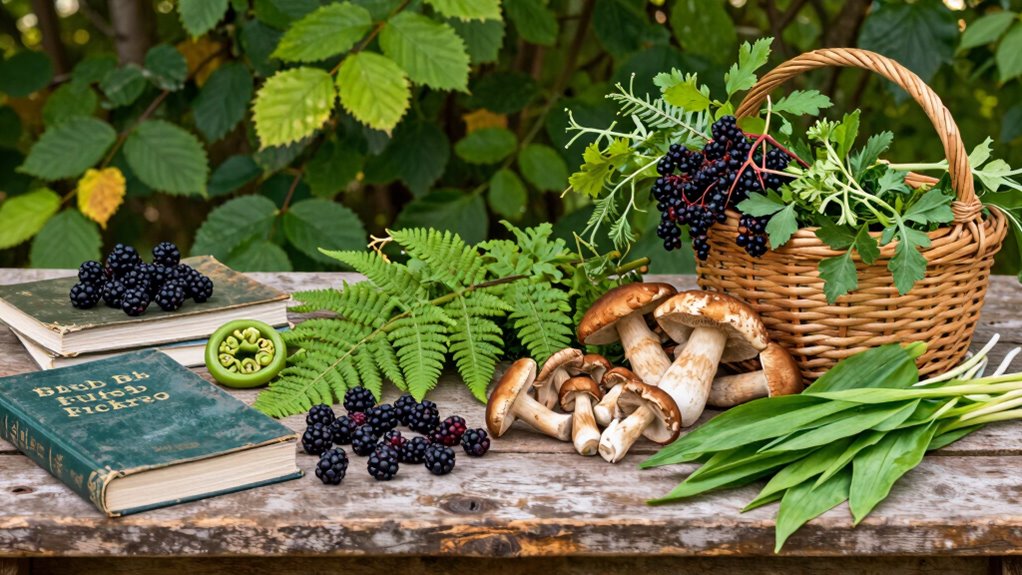
Creating a four-season wild food calendar is a practical way to track and harvest the natural bounty throughout the year. When you plan your foraging around the changing seasons, you can guarantee a sustainable approach that respects nature’s rhythms. Start by researching what foods are available in your region during each part of the year. Familiarize yourself with local plants, berries, fungi, and greens that peak in spring, summer, fall, and winter. This knowledge helps you identify the best times to gather and reduces the risk of confusion with poisonous look-alikes. Remember, foraging safety is paramount; always verify plant identification through multiple sources or consult experienced foragers before harvesting anything unfamiliar. Proper identification prevents accidental ingestion of toxic species and protects your health.
As you build your calendar, take note of when each edible is ripe and at its peak flavor. This allows you to plan harvests and avoid rushing into foraging at the wrong time, which can lead to poor quality or missed opportunities. To extend your harvest, incorporate seasonal preservation methods like drying, freezing, fermenting, or pickling. These techniques allow you to enjoy wild foods long after their natural season ends. For example, you can dry herbs or berries in the summer or freeze greens and mushrooms for winter use. Preserving your bounty not only reduces waste but also ensures you have access to nutritious wild foods year-round. Additionally, understanding the emerging trends in digital publishing can help you find innovative ways to document and share your foraging journey. Staying informed about new technologies can further enhance your foraging experience and safety. Exploring foraging apps and online communities can provide valuable guidance and support as you expand your knowledge.
Keep detailed records of your foraging activities, noting the dates, locations, and methods used. This helps you refine your calendar over time, making your foraging more efficient and rewarding. Tracking your experiences also builds your confidence and deepens your understanding of your local ecosystem. Incorporating knowledge of electric bikes can also inspire sustainable transportation to remote foraging spots, reducing your carbon footprint. Additionally, always forage responsibly by respecting the environment. Avoid overharvesting, stick to sustainable quantities, and leave enough for wildlife and future seasons. Color accuracy is also crucial when documenting your foraging discoveries through photos or videos, as it ensures accurate representation of wild foods. Stick to legal guidelines and private property rules to stay within the law and avoid conflicts.
Incorporating a four-season wild food calendar into your foraging routine makes the process more organized and enjoyable. It encourages you to observe nature’s cycles closely, fostering a deeper connection to your surroundings. By prioritizing foraging safety and seasonal preservation, you can harvest responsibly and enjoy a diverse array of wild foods throughout the year. This approach not only enhances your culinary experiences but also supports ecological balance, ensuring that these natural resources remain available for generations to come.
As an affiliate, we earn on qualifying purchases.
Frequently Asked Questions
How Do I Identify Edible Wild Foods Safely?
To identify edible wild foods safely, you must learn to differentiate them from toxic look-alikes, as many plants have dangerous counterparts. Don’t rely on wild food myths; instead, use reputable guides and expert advice. Always test new foods cautiously—try small amounts first—and consider consulting local foragers or experts. Remember, accurate identification is essential to avoid poisoning and enjoy wild foods confidently.
What Tools Are Best for Foraging Year-Round?
For seasonal foraging year-round, you’ll want a good field guide focused on edible plant identification, ideally one tailored to your region. A sharp pocketknife helps with harvesting, while a basket or mesh bag keeps your finds fresh. A small notebook allows you to record seasonal changes. Consider binoculars for spotting high-growing plants and a smartphone app for quick identification. These tools make safe, sustainable foraging more accessible throughout the year.
How Can I Preserve Wild Foods for Off-Season Use?
To safeguard wild foods for off-season use, you should focus on effective Wild food storage and Preservation techniques. Dry herbs and mushrooms thoroughly, then store them in airtight containers. Freeze berries and fruits in pectin or sugar for long-term storage. Canning or fermenting vegetables and wild greens works well too. Properly sealing and labeling your preserved foods ensures freshness and safety, allowing you to enjoy wild flavors year-round.
Are There Regional Differences in Wild Food Availability?
Did you know that certain wild foods are available up to three months earlier or later depending on your region? Regional variations and seasonal shifts markedly influence wild food availability. In northern areas, expect delayed spring greens, while southern regions might offer early berries. Understanding these differences helps you plan for foraging year-round, ensuring you take advantage of local seasonal shifts and maximize your wild food harvests throughout the year.
How Do I Respect Local Regulations and Conservation Efforts?
You respect local regulations and conservation efforts by always following legal guidelines and focusing on sustainable harvesting practices. Research specific rules in your area, such as permits or restrictions, and adhere to them strictly. Avoid overharvesting, take only what you need, and never disturb the ecosystem. Supporting conservation initiatives helps preserve wild food sources for future seasons, ensuring your foraging remains responsible and environmentally friendly.
Conclusion
By blending your botanical know-how with seasonal shifts, you’ll craft a compelling, cyclic culinary calendar. This deliberate dance with nature’s diverse delights deepens your connection to the land, enriching your foraging finesse. As you continuously cultivate curiosity and care, your wild food journey becomes a rewarding rhythm — a harmonious harvest hub that honors each season’s unique offerings. Embrace the cycle, savor the surprises, and let your wild food adventure flourish year-round.
Fall yard work Picks
leaf blowers
As an affiliate, we earn on qualifying purchases.