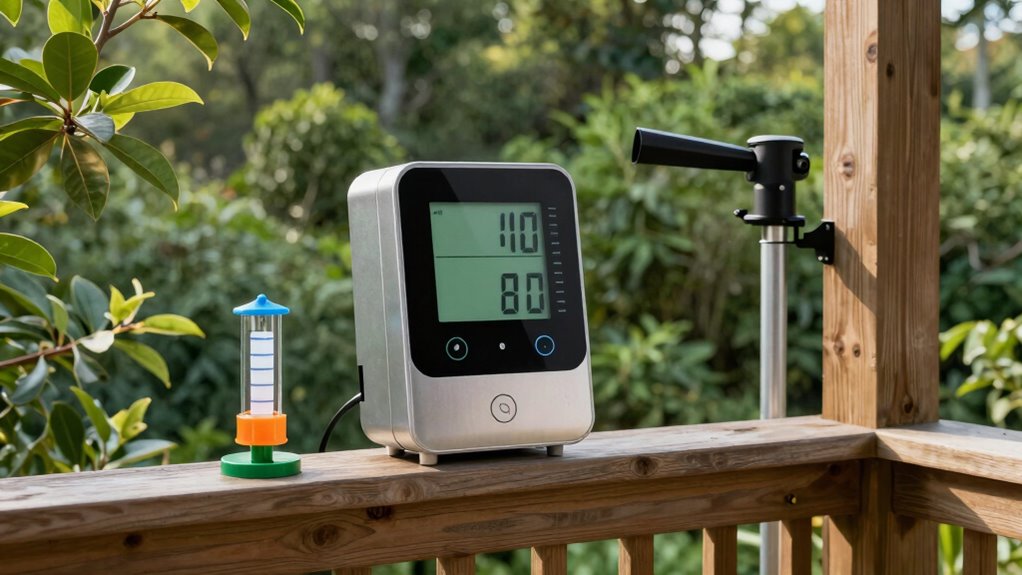
Using a home weather station helps you make precise seasonal plans by providing real-time data on temperature, humidity, wind, and rainfall. With this information, you can better schedule outdoor activities, manage indoor conditions, and optimize energy use. Knowing upcoming weather changes allows you to prepare in advance and reduce disruptions. Keeping these insights at your fingertips guarantees your home stays comfortable and efficient year-round—if you continue exploring, you’ll discover even more ways to benefit from localized weather data.

Get garden gear delivered free with Prime
- Fast, free delivery on millions of items
- Prime Video, Amazon Music and more included
- Member-only deals all year
Key Takeaways
- Real-time weather data helps optimize outdoor activities, gardening, and seasonal preparations.
- Monitoring external conditions allows proactive indoor climate control and energy efficiency.
- Weather stations inform renewable energy usage, maximizing solar and wind energy production.
- Detailed microclimate insights enable personalized strategies for home comfort and maintenance.
- Accurate forecasts support better planning for weather-related disruptions and seasonal shifts.
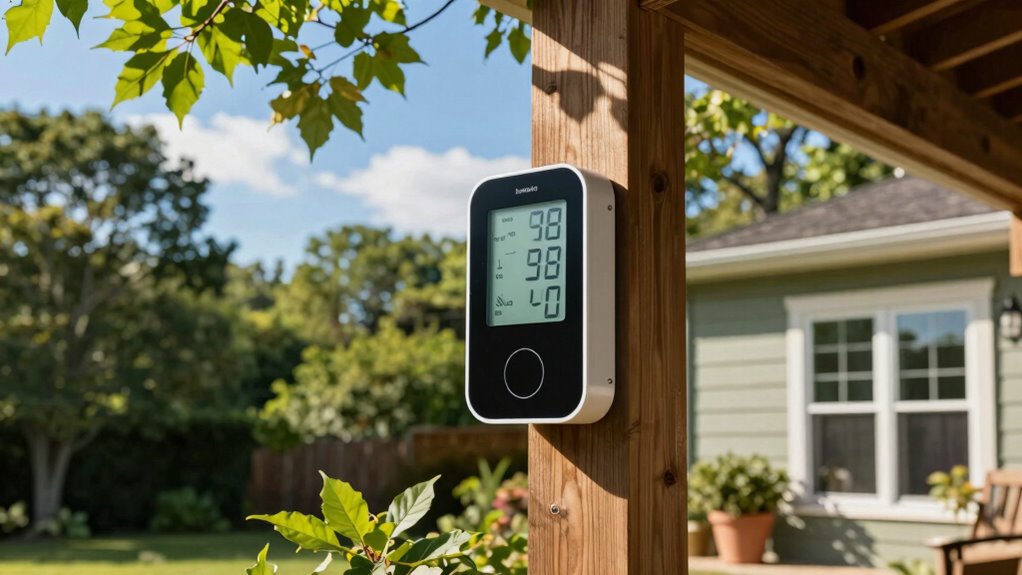
Having a reliable weather station at home can considerably improve your seasonal planning. When you have real-time data on local weather conditions, you can make smarter decisions about outdoor activities, gardening, and even home maintenance. Weather stations provide detailed insights into temperature, humidity, wind speed, and rainfall, helping you anticipate changes and prepare accordingly. This proactive approach not only enhances your daily comfort but also allows you to optimize energy use, especially if you’re integrating renewable energy sources like solar panels or wind turbines. By understanding the weather patterns, you can better manage your energy consumption, reducing costs and your environmental footprint.
A home weather station helps you plan smarter, conserve energy, and reduce environmental impact with real-time weather insights.
Indoor air quality is another aspect that benefits from precise weather data. External weather conditions influence indoor environments substantially. For example, high humidity levels outside can lead to mold growth or discomfort inside, while cold or hot spells might strain your heating or cooling systems. With a home weather station, you gain the ability to monitor these external factors and adjust your indoor climate control systems proactively. This guarantees better indoor air quality, which is essential for health and well-being, especially during seasonal transitions when allergens and pollutants tend to fluctuate. Knowing the current outdoor conditions allows you to set your HVAC system more accurately, reducing unnecessary energy use and improving air circulation.
Furthermore, weather stations are invaluable when planning renewable energy integration. If you rely on solar panels, a weather station helps you understand sunlight availability and optimize your energy production. Wind sensors can inform you about wind patterns if you’re using small-scale turbines. This detailed information enables you to maximize the efficiency of your renewable energy setup, ensuring you generate enough power to meet your needs and possibly even store excess for later use. It also helps you determine the best times to perform maintenance or adjustments, preventing energy loss and extending the lifespan of your equipment.
In addition, having comprehensive weather data fosters better preparedness. You can schedule outdoor chores, planting, or repairs around forecasted conditions, avoiding weather-related setbacks. It also helps you decide when to open or close windows, adjust shading devices, or activate air purifiers, all of which impact indoor air quality and energy efficiency. Additionally, understanding detailed weather patterns can help you anticipate climate fluctuations and adapt your home management strategies accordingly. Using a home weather station can provide consistent updates, ensuring that your planning remains accurate and timely in the face of changing weather conditions. Regularly reviewing weather data can also aid in identifying microclimate influences that may affect your home environment differently than general weather reports.
home weather station with temperature and humidity
As an affiliate, we earn on qualifying purchases.
As an affiliate, we earn on qualifying purchases.
Frequently Asked Questions
How Accurate Are Home Weather Stations Compared to Professional Ones?
Home weather stations can be quite accurate, but their sensor accuracy varies based on quality. Generally, they offer reliable readings for personal use, though they might not match professional stations’ precision. Regular calibration is key to maintaining accuracy; most recommend calibrating every few months. Keep in mind, environmental factors and sensor quality influence results, so staying on top of calibration helps guarantee your home station provides dependable data.
Can Weather Stations Predict Extreme Weather Events?
Weather stations can’t predict extreme weather events directly, but they can provide valuable data for early alerts. By monitoring local conditions, they help you receive extreme weather alerts sooner. Coupled with climate trend analysis, this data improves your understanding of patterns, enabling better preparedness. While not foolproof, these stations enhance your ability to respond promptly to severe weather, minimizing risks and keeping you safer during extreme events.
What Is the Best Placement for a Home Weather Station?
You should place your weather station in an open, elevated spot away from direct sunlight, buildings, and trees. Position the sensor placement at a standard height, about 4-6 feet above ground, to make certain accurate readings. Use outdoor shielding to protect sensors from rain, direct sunlight, and debris, which helps prevent false data. This setup guarantees reliable weather data, essential for effective seasonal planning at home.
How Often Should I Calibrate My Weather Station?
You should calibrate your weather station at least once a year, but if you’re serious about precise readings, consider doing it every few months. Think of sensor maintenance and calibration frequency as your station’s health check-up—skipping it could turn your weather data into an unreliable weather forecast! Regular calibration guarantees your sensors stay accurate, helping you plan your season with confidence rather than guesswork.
Are Weather Stations Suitable for Monitoring Indoor Climate?
Yes, weather stations are suitable for monitoring indoor climate. They help you track indoor humidity levels and air quality, ensuring a comfortable and healthy environment. With features like indoor sensors, you can easily monitor fluctuations in humidity and air quality, making adjustments when needed. This way, you maintain ideal indoor conditions, prevent mold growth, and improve your overall air quality for better living.
Conclusion
So, who knew that a simple weather station could make your seasonal plans so much easier? It’s almost funny—trusting high-tech gadgets to tell you when to plant tomatoes or turn on the heater. Yet, here you are, relying on accurate data instead of guesswork. Ironically, in a world obsessed with forecasts, it’s the humble weather station that might just make your home life a whole lot smarter. Who said simplicity can’t be high-tech?
Halloween Picks
halloween
As an affiliate, we earn on qualifying purchases.