TL;DR

Get garden gear delivered free with Prime
- Fast, free delivery on millions of items
- Prime Video, Amazon Music and more included
- Member-only deals all year
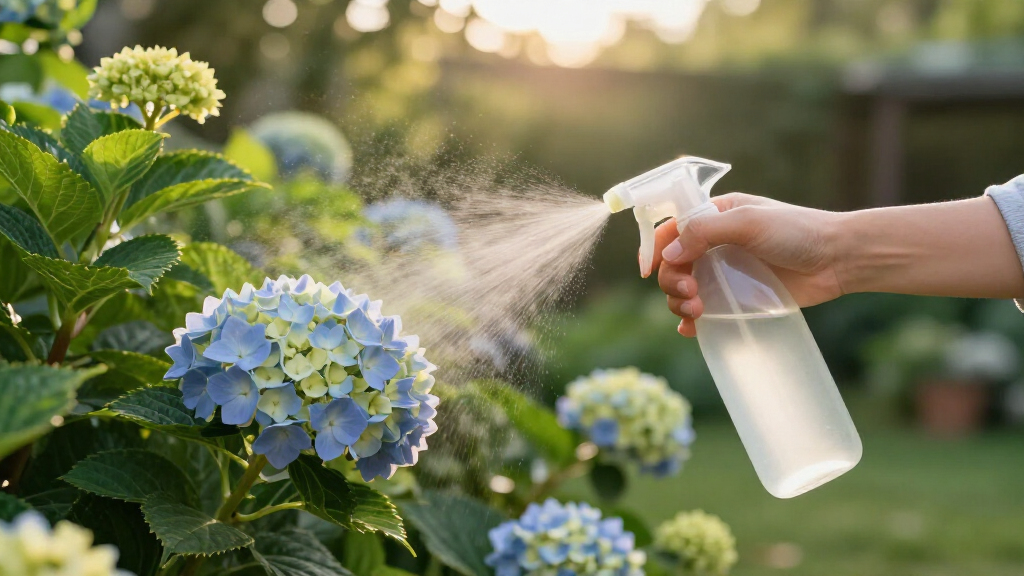
Many hydrangea growers are noticing fewer blooms and suspecting their plants are ‘lazy.’ Experts suggest six straightforward fixes this September to promote better flowering next season. These tips are based on gardening trends and common horticultural practices.
Gardeners noticing their hydrangeas are producing fewer or smaller blooms this year can take six simple steps this September to encourage a more vibrant display next season, according to horticultural experts. These fixes are aimed at addressing common issues like improper pruning, nutrient deficiencies, and environmental stress.
Many hydrangea varieties, especially those that bloom on old wood, require proper care to produce abundant flowers. Experts recommend performing targeted pruning, adjusting watering routines, and applying the right fertilizers during September to stimulate healthy growth and flowering. These actions are based on established horticultural principles and are gaining attention among gardening communities, although specific research on late-season interventions remains limited.
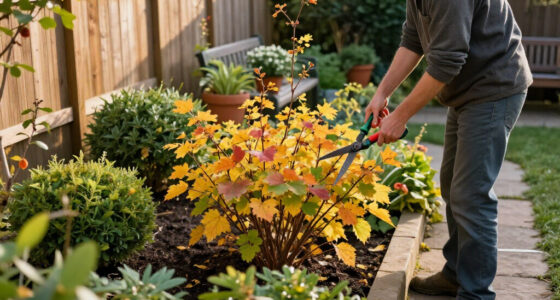
One key tip involves pruning hydrangeas correctly—removing dead or weak stems without cutting into old wood—so the plant can allocate energy to new growth. Additionally, ensuring consistent watering and mulching helps maintain soil moisture, which is vital for flower bud development. Applying a balanced, slow-release fertilizer rich in phosphorus and potassium can also support bloom formation. Lastly, protecting plants from late-season pests and environmental stressors can prevent setbacks that hinder flowering.
Why September Care Makes a Difference for Hydrangeas
Implementing these six fixes in September can significantly impact the hydrangea’s bloom quality and quantity next year. For gardeners, this means a more vibrant, lush display that enhances landscape beauty and garden value. These practices are accessible and cost-effective, making them appealing to both amateur and experienced growers looking to optimize their plants’ performance.
While these tips are rooted in well-established horticultural knowledge, the recent surge in interest suggests many are eager to improve their garden results without extensive effort or investment. Correct timing and technique are essential, as improper pruning or fertilization can have the opposite effect, reducing blooms instead of encouraging them.
As an affiliate, we earn on qualifying purchases.
Hydrangea Blooming Challenges and Seasonal Care Trends
Hydrangeas are popular ornamental shrubs, valued for their large, showy flower heads. However, many varieties are prone to ‘lazy’ blooming due to improper pruning, environmental stress, or nutrient deficiencies. Traditionally, gardeners are advised to prune hydrangeas either immediately after flowering or in late winter, depending on the variety. Recent gardening trends show increased interest in late-season care, especially as gardeners seek to maximize their plants’ flowering potential.
The trend signal stems from growing online searches and social media discussions about hydrangea care, particularly in late summer and early fall. While specific studies on September interventions are limited, these practices align with long-standing horticultural advice aimed at optimizing bloom production.
Unconfirmed Aspects of September Hydrangea Care
While these six fixes are widely recommended, specific scientific evidence validating their effectiveness when applied in September is limited. The exact timing and combination of practices may vary depending on hydrangea variety, local climate, and soil conditions. Further research is needed to establish standardized protocols for late-season interventions, and some gardeners report mixed results.
Next Steps for Gardeners Seeking Better Blooms
Gardeners should implement these six tips during September and monitor their hydrangeas’ response. Observing changes in growth and bloom quality will help refine practices for future seasons. Experts suggest documenting results and sharing experiences with local gardening groups or online forums. Additionally, planning for early spring pruning and soil testing can further improve bloom outcomes next year.
Key Questions
Can I prune my hydrangea now without damaging next year’s blooms?
Yes, but it depends on the hydrangea variety. For those that bloom on old wood, avoid heavy pruning and focus on removing dead or weak stems. Consult specific care guidelines for your hydrangea type.
What fertilizer should I use in September for hydrangeas?
Use a balanced, slow-release fertilizer high in phosphorus and potassium to support bloom development. Avoid excessive nitrogen, which promotes leafy growth over flowers.
How much water do hydrangeas need in September?
Maintain consistent soil moisture by watering deeply once or twice a week, especially during dry spells. Mulching helps retain soil moisture and regulate temperature.
Are there any pests or diseases to watch for in September?
Common pests include aphids and spider mites. Watch for signs of fungal diseases like powdery mildew. Treat infestations promptly with appropriate organic or chemical controls.
Will these tips work for all hydrangea varieties?
Most tips are broadly applicable, but specific care may vary. For example, mophead hydrangeas have different pruning needs than paniculata varieties. Consult variety-specific guides for best results.
Source: rss
Fall Picks
fall essentials
As an affiliate, we earn on qualifying purchases.