TL;DR
Open a free Amazon Business account
Business pricing, bulk buying and tax-exempt orders.
Create a free accountAs an affiliate, we earn on qualifying purchases.
Gardeners should focus on seven key tasks in September to optimize tomato harvests before frost arrives. These include pruning, harvesting, and preparing plants for winter. The advice is based on established gardening practices, though some specific timing details remain uncertain.
Gardeners with tomato plants should now focus on seven key tasks in September to maximize their harvests before the first frost, according to horticultural experts. These tasks help improve fruit quality, extend plant health, and prepare plants for winter dormancy, making them essential for successful home gardening this season.
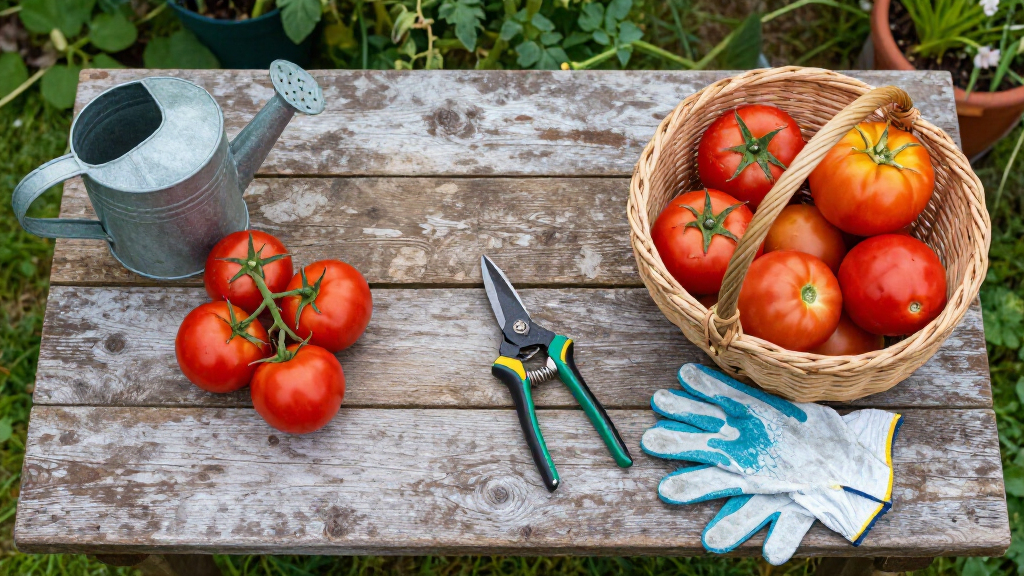
Experts recommend that in September, tomato growers should start by harvesting ripe fruits regularly to prevent overripening and pest attraction. Pruning is also advised to remove suckers and excess foliage, which improves air circulation and reduces disease risk. Additionally, staking or supporting plants helps prevent damage from wind and heavy fruit loads. Gardeners should also check for signs of pests and diseases, applying organic treatments as needed.
Another important task is removing any unripe or damaged fruit to focus the plant’s energy on ripening remaining tomatoes. If plants are nearing the end of their productive cycle, some gardeners choose to prune heavily or even remove plants entirely, especially in regions with early frosts. Mulching around the base can help retain soil moisture and protect roots from temperature fluctuations. Finally, preparing the soil for next season by adding compost or organic fertilizer can promote healthy growth in the following year, even if plants are removed.
Why September Tomato Care Is Crucial for Gardeners
Following these seven tasks can significantly impact the quality and quantity of the tomato harvest. Proper attention in September ensures that fruits ripen fully, plants remain healthy, and the soil is prepared for future planting. This proactive approach helps gardeners maximize their efforts and reduce losses due to pests, diseases, or early frosts, making it a vital part of seasonal garden management.
As an affiliate, we earn on qualifying purchases.
September Gardening Practices for Tomato Plants
Tomato plants typically reach peak production in late summer, but as temperatures begin to drop in September, gardeners must adapt their care routines. The timing of first frosts varies by region, but in most temperate zones, it occurs in October or early November. Therefore, September is critical for harvesting, plant maintenance, and preparing for the season’s end. Traditional practices include regular harvesting, pruning, staking, and soil management, all aimed at extending the productive period of the plants and ensuring the best possible yield before winter dormancy.
While some gardeners may consider removing plants entirely as frost approaches, others focus on finishing the harvest and preparing the soil for next year. The trend toward sustainable gardening emphasizes organic methods and soil health, influencing how gardeners approach these tasks. It is worth noting that detailed timing and specific practices can vary depending on local climate conditions, which remain a key unknown in current recommendations.
Uncertainties About Timing and Regional Variations
While the recommended tasks are well-established, specific timing for activities like pruning and harvesting can vary depending on local climate and frost dates. It is not yet clear how early or late in September these practices should be tailored to different regions, and some gardeners may face uncertainties about when to remove plants entirely versus continuing maintenance.
Next Steps for Gardeners Preparing for Fall and Winter
Gardeners should monitor local weather forecasts closely to time the first frost and adjust their plans accordingly. After completing September tasks, the focus shifts to either removing tomato plants or protecting remaining fruits and foliage if frost is imminent. Soil preparation for next season, such as adding compost or cover cropping, should begin once plants are removed or the season winds down. Continued pest and disease monitoring remains important until plants are fully removed.
Key Questions
When is the best time to harvest tomatoes in September?
Ripe tomatoes should be harvested as they reach full color and firmness, typically in September for most regions, to prevent overripening and pest issues.
Should I prune my tomato plants now?
Yes, pruning out suckers and excess foliage in September can improve air circulation and fruit ripening, especially in regions with high humidity or disease pressure.
What should I do if a frost is forecasted soon?
If frost is imminent, consider harvesting all remaining ripe tomatoes, supporting plants to prevent damage, or covering plants with frost cloths to extend their life temporarily.
Can I leave my tomato plants through winter?
In most temperate zones, tomato plants are annuals and should be removed before frost. However, in some mild climates, they can be overwintered indoors or in protected environments.
How can I prepare my soil for next year’s tomato crop?
Adding organic compost or well-rotted manure in September helps improve soil fertility for next season’s planting, whether you plan to grow tomatoes again or other crops.
Source: rss
NFL season / tailgating Picks
team gear
As an affiliate, we earn on qualifying purchases.