TL;DR

Get garden gear delivered free with Prime
- Fast, free delivery on millions of items
- Prime Video, Amazon Music and more included
- Member-only deals all year
An October 7 report from Amateur Gardening advises gardeners to protect pelargoniums, gladioli and tender bedding plants before winter weather damages them. Suggested steps include lifting and storing plants in dry, frost-free shelter, with timing adjusted for local conditions. The report does not provide a forecast for the coming winter.
Amateur Gardening published early-autumn guidance on October 7 advising gardeners to lift or shelter tender plants before winter, including pelargoniums and gladioli that may be damaged by cold or damp conditions. The report recommends storing vulnerable plants in a dry, frost-free place and says gardeners should adjust the timing to local weather and exposure, as with other plants vulnerable to winter weather.
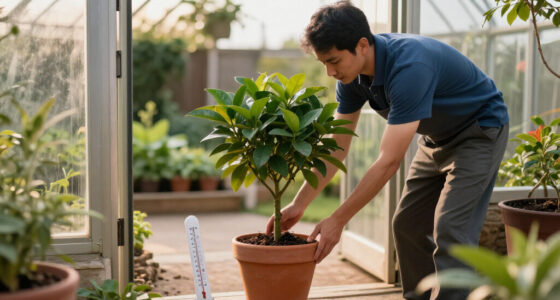
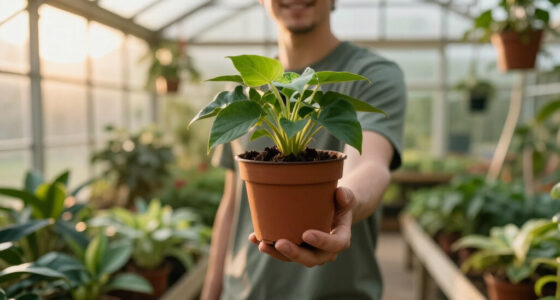
The report, written by gardening expert and journalist Ruth Hayes, says pelargoniums rarely survive winter outdoors and may fail to recover even after making it through a season in a sheltered spot. For gardeners keeping them, it recommends lifting the plants, potting them in peat-free multipurpose compost and watering them well. Hayes advises cutting shoots back to the lowest healthy leaf bud, both to reduce the risk of mould and to shape the plant for renewed growth; for other plants, October pruning guidance can help protect winter displays and next year’s blooms.
Removed pelargonium shoots can be used as cuttings, the report says. These should be potted in seed or cuttings compost and kept on a light windowsill indoors. Once established for storage, potted plants may need little water while dormant; the article says watering can be paused for weeks, until growth resumes, rather than following a fixed schedule for every plant.
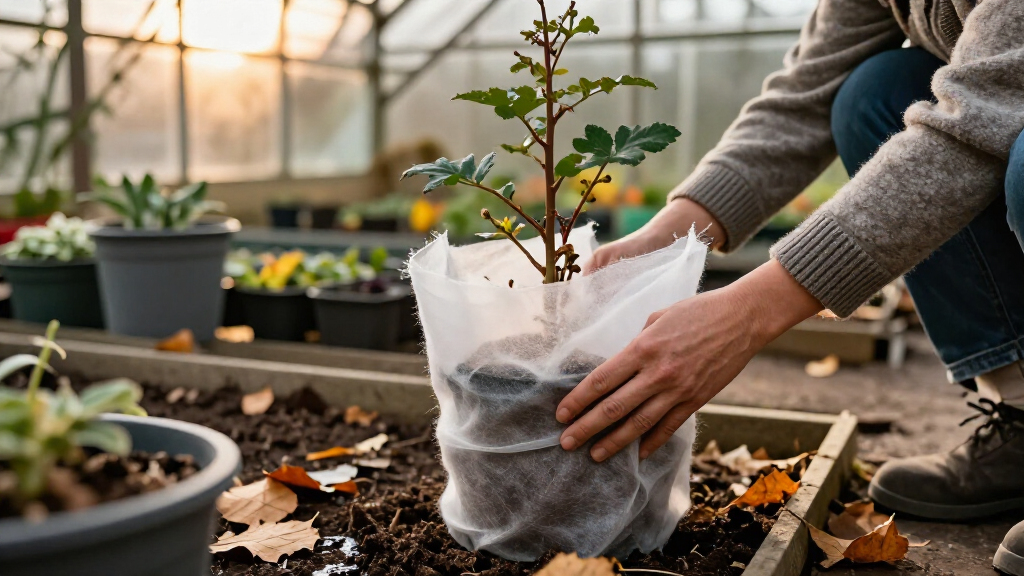
Gladioli should be lifted and stored dry and frost-free, according to the report, because their corms are prone to rotting in damp soil; gardeners can also use free fall cleanup materials as mulch to protect other plants through winter. It advises cutting stems back by half, retaining new bulblets attached to mature corms and discarding old corms that are shrivelled or soft. The author also describes potting tender bedding plants such as petunias, lobelia and calibrachoas for greenhouse storage, trimming foliage by half and limiting further watering after an initial thorough watering until spring growth begins.
Protecting Plants Before Cold Weather
The advice offers gardeners a practical way to reduce the chance of losing tender plants to frost and persistently damp soil. Some plants may be difficult or costly to replace, while keeping them through winter can allow established plants and saved cuttings to grow again the following season. The recommendations also distinguish between plants: gladioli need lifting because of rot risk, while pelargoniums and bedding plants can be moved into shelter.
Timing matters because conditions differ across the country. The report says gardeners in northern areas or exposed gardens may need to act earlier, while people experiencing warm, dry weather can wait a few weeks. This is seasonal gardening guidance, not a specific winter forecast; the article says the coming weather is uncertain and does not identify a single date that will suit every location.
pelargonium plant storage container
As an affiliate, we earn on qualifying purchases.
As an affiliate, we earn on qualifying purchases.
Autumn Conditions Shape the Timing
The report was published on October 7, 2026, during the early-autumn period when gardeners may begin preparing plants for colder conditions. Hayes refers to several possible winter patterns, including heavy rain, a late cold snap and a dry season. These are examples of uncertainty, not forecasts for the winter ahead.
The article also draws on the author’s own gardening experience: a large pelargonium survived one winter in a sheltered position beside a house but did not recover fully and later died. Hayes says she successfully stored petunias, lobelia and calibrachoas in a greenhouse the previous year. Those examples describe her experience and do not establish that every plant or storage location will produce the same result.
“I’m not a betting woman but even if I were, I’d not place a wager on what weather this winter will bring.”
— Ruth Hayes, Amateur Gardening
Local Frost Dates Remain Unknown
The report does not state when the first frost will arrive, how severe winter conditions will be or which regions will face the greatest risk. It names heavy rain, a late cold snap and dry weather as possibilities, but gives no probability or forecast for any of them.
It also does not set precise temperature thresholds or watering schedules for individual plants. The suggested approach depends on plant condition, storage conditions and local weather. Gardeners should not treat the author’s account of successful greenhouse storage as a guarantee that the same plants will survive in every greenhouse or home.
Check Plants as Growth Resumes
Gardeners following the report’s guidance can lift vulnerable plants as local conditions begin to turn colder or wetter, then check stored plants periodically through winter. For gladioli, the stated steps are to inspect the corms, keep firm new bulblets and discard those that are soft or shrivelled. Potted plants should be watched for signs of mould or unwanted new growth, with watering kept limited while they remain dormant.
When growth starts again in spring, the report says watering can resume. It does not give a calendar date for restarting care, so gardeners will need to respond to the plants and conditions in their own storage spaces. The article points readers to Amateur Gardening for further seasonal advice, but gives no announced follow-up forecast or update.
Key Questions
Which plants does the report recommend protecting?
It discusses pelargoniums, gladioli, petunias, lobelia and calibrachoas. The storage method varies by plant: gladioli corms are lifted and kept dry, while pelargoniums and tender bedding plants can be potted and sheltered.
Where should lifted gladioli be stored?
The report recommends a dry, frost-free place because gladioli can rot in damp soil. It also advises cutting stems back by half and removing old corms that are soft or shrivelled.
How should pelargoniums be prepared for storage?
Pot them in peat-free multipurpose compost, water them well and cut shoots back to the lowest healthy leaf bud, following the article’s instructions. The removed shoots can be potted in seed or cuttings compost and kept on a light windowsill.
When should gardeners start preparing tender plants?
The report says timing should reflect local weather and garden exposure. It suggests waiting a few weeks in warm, dry areas, while northern or exposed gardens may need to act sooner.
Does the article predict what this winter will be like?
No. It describes several possible weather patterns but makes no specific forecast about winter temperatures, rainfall or frost dates.
Source: rss
Fall Picks
fall essentials
As an affiliate, we earn on qualifying purchases.