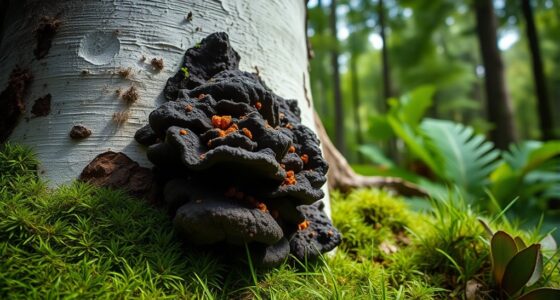
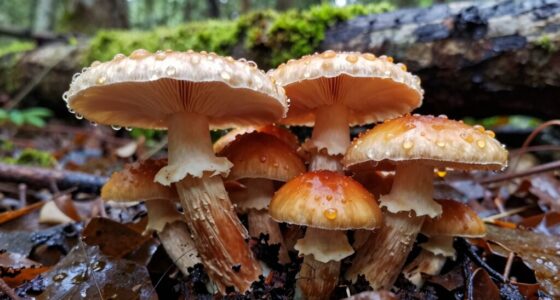
Shaggy Mane, or Inky Caps, are striking wild mushrooms with tall, wispy white caps that collapse and turn black as they mature. To handle them properly, identify them carefully and harvest before the caps fully blacken, using gentle twisting or cutting. Avoid forceful pulling to prevent damage. Proper timing and identification are essential for safe and tasty foraging. Keep exploring to learn more about safely enjoying these fascinating fungi.
Open a free Amazon Business account
Business pricing, bulk buying and tax-exempt orders.
As an affiliate, we earn on qualifying purchases.
Key Takeaways
- Identify shaggy mane mushrooms by their tall, white, wispy caps and slender stems before they turn black.
- Harvest before caps collapse and turn black, using gentle twisting or cutting at the base.
- Confirm species with reliable guides to avoid misidentification and potential hazards.
- Grow in undisturbed areas like fields and roadsides, indicating minimal human interference.
- Handle carefully to preserve quality, and avoid forceful pulling to prevent damage.
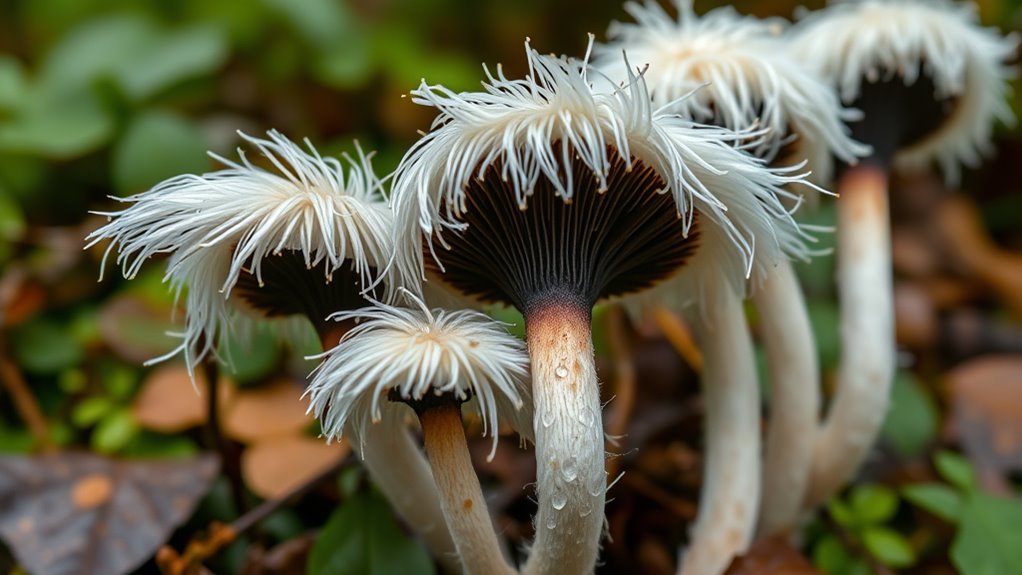
Have you ever come across the elusive Shaggy Mane mushroom and wondered what makes it so unique? These striking fungi, with their tall, wispy caps and ghostly white appearance, hold a special allure for those seeking to connect with nature’s wild bounty. If you’re eager to experience the thrill of foraging tips, understanding how to identify and harvest Shaggy Manes correctly is essential. They grow in fields, along roadsides, and in disturbed grounds—places that feel raw and free, perfect for those craving liberation from the constraints of conventional food sources. The key is to spot their distinctive shape: a slender, elongated stem topped with a cap that looks like it’s been drawn with a flick of chalk. When mature, the cap begins to collapse and turn black, resembling ink swirling in water, which is precisely what makes the Shaggy Mane so fascinating. Interestingly, these mushrooms are a prime example of how cultural impact influences our appreciation of wild foods and fungi.
Discover the unique allure of Shaggy Mane mushrooms with their tall, wispy caps and striking white appearance.
When foraging for these mushrooms, timing is everything. You want to pick them at just the right moment—before the caps collapse and turn black—so you get the best texture and flavor. Use gentle foraging tips: avoid pulling too hard, and instead, twist or cut the mushroom at the base. This preserves the mycelium, encouraging future growth and respecting the environment you’re exploring. Always double-check your identification; misidentifying edible mushrooms can be dangerous. If you’re new to foraging, consult reliable guides or experienced foragers to guarantee your harvest is safe. Remember, wild mushrooms are a gift of nature, but they require respect and knowledge to enjoy fully.
As an affiliate, we earn on qualifying purchases.
Frequently Asked Questions
Can Shaggy Mane Mushrooms Be Cultivated at Home?
Yes, you can cultivate shaggy mane mushrooms at home using indoor cultivation and growing techniques. You’ll need a suitable substrate like straw or compost, and keep humidity high with proper airflow. Maintain a cool environment, around 50-60°F, to encourage fruiting. With patience and attention, you’ll enjoy the thrill of growing these unique mushrooms yourself, embracing your liberation to harvest fresh, wild-like fungi right from your own space.
How Long Do Shaggy Mane Mushrooms Stay Fresh?
Your shaggy mane mushrooms stay fresh for just a fleeting moment, like a whisper in the wind—usually about a day or two. To preserve their freshness, you need to master mushroom storage, keeping them in a paper bag in the fridge. This simple act can liberate your palate, ensuring they don’t lose their delicate texture and flavor too soon. Act quickly to enjoy their full, fleeting brilliance!
Are Shaggy Mane Mushrooms Safe for Children?
Shaggy mane mushrooms aren’t recommended for children because of potential child safety concerns and dietary considerations. These mushrooms can be toxic if not properly identified or prepared, so you should keep them away from kids to prevent accidental ingestion. If you want to introduce fungi into a child’s diet, opt for safer, edible varieties and always consult a healthcare professional for guidance. Your child’s safety and well-being come first.
What Are the Common Pests That Affect Shaggy Mane Mushrooms?
Think of your shaggy mane mushrooms as a fortress under siege. Common pests like insect infestations can breach your defenses, while mold contamination sneaks in like an insidious invader. These threats threaten your harvest’s purity and safety, making it essential to stay vigilant. Regular inspection and maintaining proper hygiene help you fight off these pests, ensuring your mushrooms remain healthy and free from invasive forces that seek to undermine your freedom to enjoy safe, homegrown fungi.
Can Shaggy Mane Mushrooms Be Dried for Long-Term Storage?
Yes, you can dry shaggy mane mushrooms for long-term storage using various drying techniques like air drying, oven drying, or using a food dehydrator. Proper mushroom preservation involves thoroughly drying the mushrooms until they’re brittle, which prevents mold and spoilage. Once dried, store them in airtight containers away from light and moisture. This way, you can enjoy their unique flavor long after harvest, freeing you from immediate consumption pressures.
Conclusion
Think of shaggy mane mushrooms as fleeting whispers of the forest, delicate and transient. Handle them gently, like cradling a fragile butterfly, because their beauty fades quickly if mishandled. Respect their ephemeral nature, and you’ll enjoy their fleeting charm at its best. With careful care, you’re preserving a moment of nature’s art—much like capturing a passing sunset—so cherish each encounter, knowing that their magic is as temporary as a shadow at dusk.
Fall Picks
fall essentials
As an affiliate, we earn on qualifying purchases.