
In survival foraging, you need to focus on how calories fuel your body and support your activities. Prioritize nutrient-dense foods like wild greens, nuts, and insects that provide both energy and essential vitamins. Balance your calorie intake with your activity level to prevent fatigue and guarantee long-term resilience. Remember, it’s not just about eating more, but choosing the right foods that sustain you. Keep exploring these strategies to boost your chances of survival.

Get garden gear delivered free with Prime
- Fast, free delivery on millions of items
- Prime Video, Amazon Music and more included
- Member-only deals all year
Key Takeaways
- Prioritize nutrient-dense foods that provide essential vitamins and minerals relative to their calorie content.
- Balance calorie intake with energy expenditure to prevent fatigue and maintain physical resilience.
- Focus on foods that offer sustained energy, such as nuts, wild greens, and protein sources, rather than just high-calorie snacks.
- Use calorie knowledge to make informed food choices that support long-term survival and health.
- Avoid relying solely on high-calorie, low-nutrient foods to prevent nutrient deficiencies and ensure balanced nutrition.
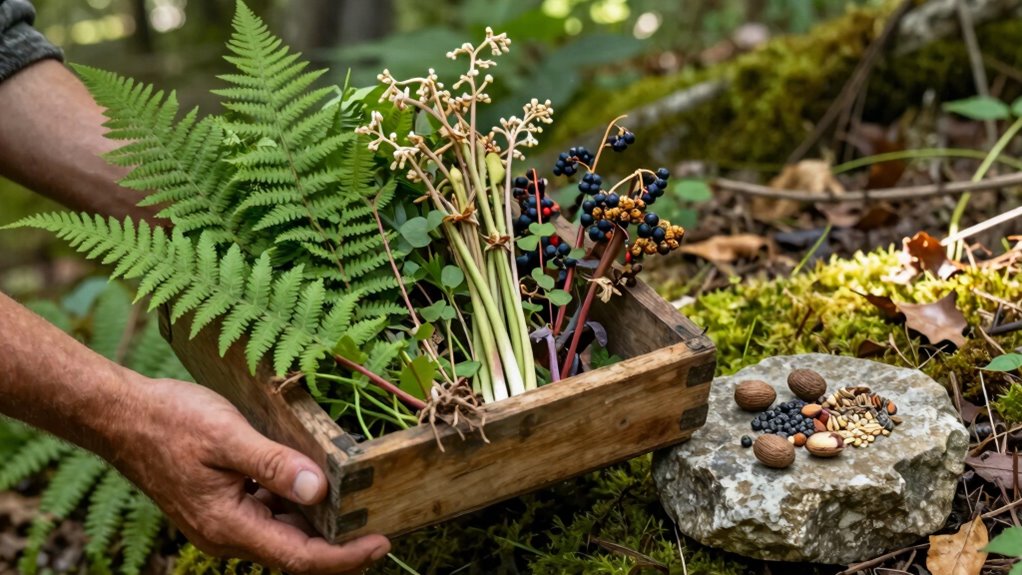
When you’re foraging for food in a survival situation, understanding calories is essential to maintaining your energy and making informed decisions. Calories are the measure of energy your body derives from the food you gather. Knowing how much energy you need versus what you’re actually consuming helps you stay alert, active, and capable of handling the challenges around you. It’s not just about eating whatever’s available; it’s about choosing foods that provide maximum nutritional benefit for the energy they offer. Nutrient density plays a vital role here—foods rich in vitamins, minerals, and other essential nutrients relative to their calorie content. For example, wild greens or nuts often pack more nutrients per calorie than processed foods or high-sugar snacks. Prioritizing nutrient-dense foods ensures you get the most nutritional value for every calorie you consume, which is crucial when your supplies are limited.
Understanding your energy balance is equally important. Energy balance refers to the relationship between the calories you take in and the calories you burn through activity and bodily functions. If you consume more calories than you burn, your body stores the excess as fat, which can be beneficial in a survival context for long-term energy reserves. Conversely, if you burn more calories than you eat, you risk losing vital body mass and strength, impairing your ability to perform essential tasks like building shelter or defending yourself. To maintain a healthy energy balance, you need to be mindful of your activity levels and match your food intake accordingly. Foraging efficiently means not only gathering enough calories but also ensuring those calories come from foods that sustain you over time without causing unnecessary fatigue or nutrient deficiencies. Recognizing the importance of calorie quality**** can help you make better choices in the wild.
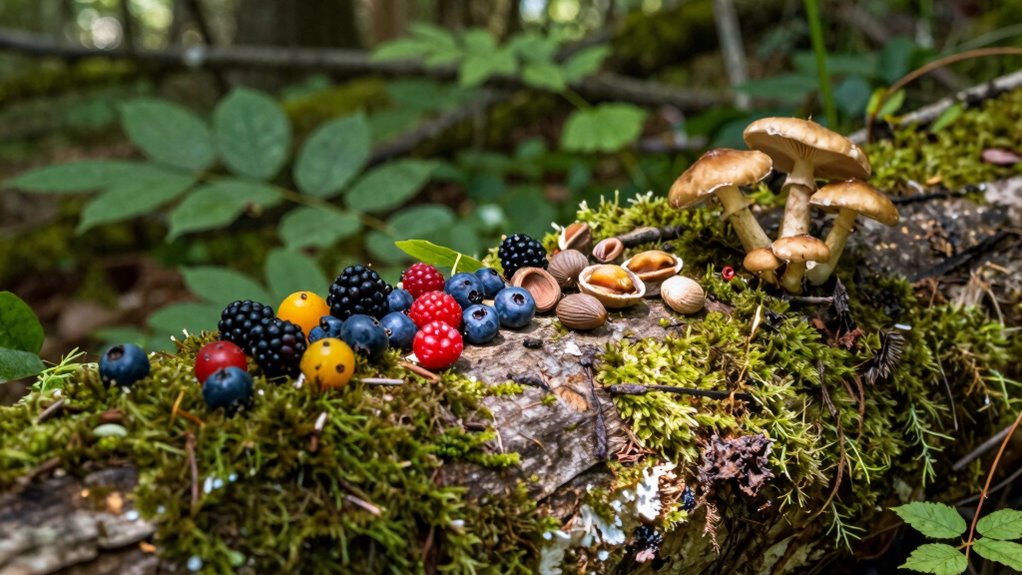
In a survival situation, it’s tempting to focus solely on calorie quantity, but quality matters just as much. High-calorie foods that lack nutrients won’t serve you well in the long run—they might give you a quick boost but won’t support your overall health or recovery. Think about incorporating a variety of sources: berries, roots, insects, nuts, and wild game, all of which can contribute to a balanced intake. Balance your foraging efforts by selecting foods that maximize nutrient density and support your energy needs. This way, you ensure your body gets the fuel it needs to keep going, stay resilient, and improve your chances of survival until rescue or rescueability. Ultimately, managing calories in survival foraging isn’t just about calories—it’s about smartly fueling your body for the challenges ahead.
nutrient-dense survival food packs
As an affiliate, we earn on qualifying purchases.
As an affiliate, we earn on qualifying purchases.
Frequently Asked Questions
How Do Calorie Needs Vary Between Individuals During Survival Situations?
Your calorie needs during survival situations vary due to metabolic differences and activity levels. If you’re more active, like foraging or building shelter, you’ll need more calories. Your metabolism influences how efficiently your body uses energy, so if you have a faster metabolism, you’ll burn calories quicker. Pay attention to how your body responds, and adjust your intake based on your activity and individual metabolic rate to stay energized.
Can Foraged Foods Provide Enough Calories Without Supplementation?
Wild food can sometimes provide enough calories to maintain energy balance, but it often depends on what’s available and your foraging skills. You might find berries, nuts, or edible plants that boost your intake, yet relying solely on foraged foods can be risky. To guarantee you meet your caloric needs, supplement with additional sources if possible, and always identify wild food correctly to avoid dangerous or inedible options.
How Accurate Are Calorie Estimates for Wild Plants and Animals?
Calorie estimates for wild plants and animals can be wildly inaccurate, like trying to hit a moving target with a blindfold! Calorie calculation methods often rely on generalized data, and nutritional label accuracy drops sharply in the wild. You might think you’re eating a hearty meal, but actual calories could be half or double. Always take these estimates with a grain of salt and test your own observations for better accuracy.
What Are Signs of Calorie Deficiency in Survival Scenarios?
You’ll notice signs of calorie deficiency through fatigue, dizziness, and weakness, as your body starts metabolically adapting to conserve energy. You might also see your fat reserves diminish, leading to weight loss and a hollowed appearance. If your calorie intake remains low, your body prioritizes essential functions, but prolonged deficiency can impair your immune system and reduce your ability to forage effectively. Recognizing these signs helps you adjust and seek food sources promptly.
How Do Seasonal Changes Affect Calorie Availability in Foraging?
Seasonal changes can turn your foraging into a rollercoaster ride, drastically affecting calorie availability. During spring and summer, you’ll find abundant calorie-rich foods, but fall and winter can leave you scrambling for scarce resources. This seasonal foraging causes significant calorie fluctuation, so you need to adapt your strategies, stockpile when possible, and prioritize high-calorie foods to survive the lean months ahead. Staying aware of these shifts keeps your energy levels steady.
Conclusion
Understanding calories in survival foraging helps you make smarter choices in the wild. Remember, not all edible plants provide the same energy, so prioritize calorie-dense options like nuts and tubers. Did you know that a single ounce of almonds packs around 160 calories? Keeping this in mind guarantees you’re fueling your body efficiently, giving you the stamina needed to stay safe and resilient in survival situations. Stay mindful of calories, and you’ll be better prepared to thrive.
Halloween Picks
halloween
As an affiliate, we earn on qualifying purchases.