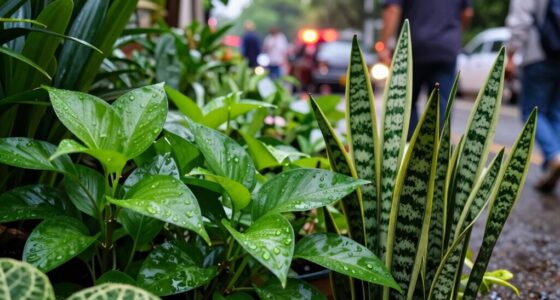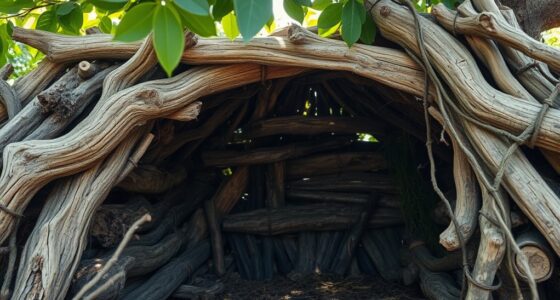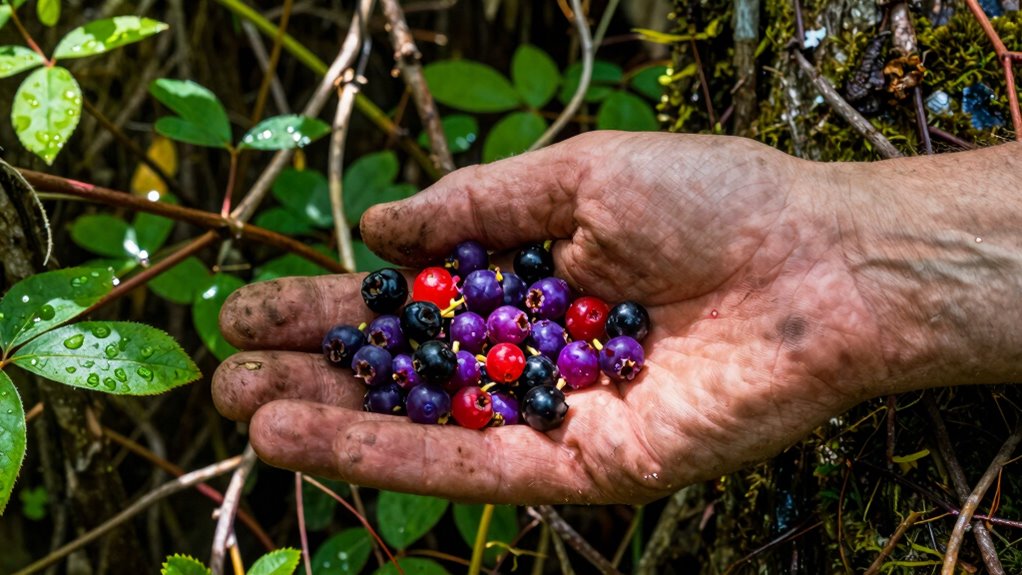

Wild foods play a essential role in survival by providing essential nutrients, energy, and sustainable options when options are scarce. By identifying edible plants and harvesting responsibly, you can maintain your strength and support ecosystem health. Recognizing seasonal patterns and ripeness guarantees you get maximum nutrition while avoiding toxic look-alikes. Developing keen observation skills and sustainable foraging practices boosts your resilience in emergencies. Keep exploring to discover more critical tips for harnessing wild foods in survival situations.

Get garden gear delivered free — and shop member deals
- Fast, free delivery on millions of items
- Access to Prime Big Deal Days deals on October 6–7
- Prime Video, Amazon Music and more included
Key Takeaways
- Wild foods provide essential nutrients like vitamins, minerals, and calories crucial for survival and maintaining energy levels.
- Recognizing and harvesting wild foods enhances self-sufficiency and reduces dependency on external food sources.
- Knowledge of seasonal availability ensures sustainable foraging and maximizes nutritional intake in survival situations.
- Responsible foraging practices protect ecosystems, ensuring long-term access to vital wild food resources.
- Developing keen identification skills increases safety by avoiding toxic look-alikes and ensuring edible plant selection.
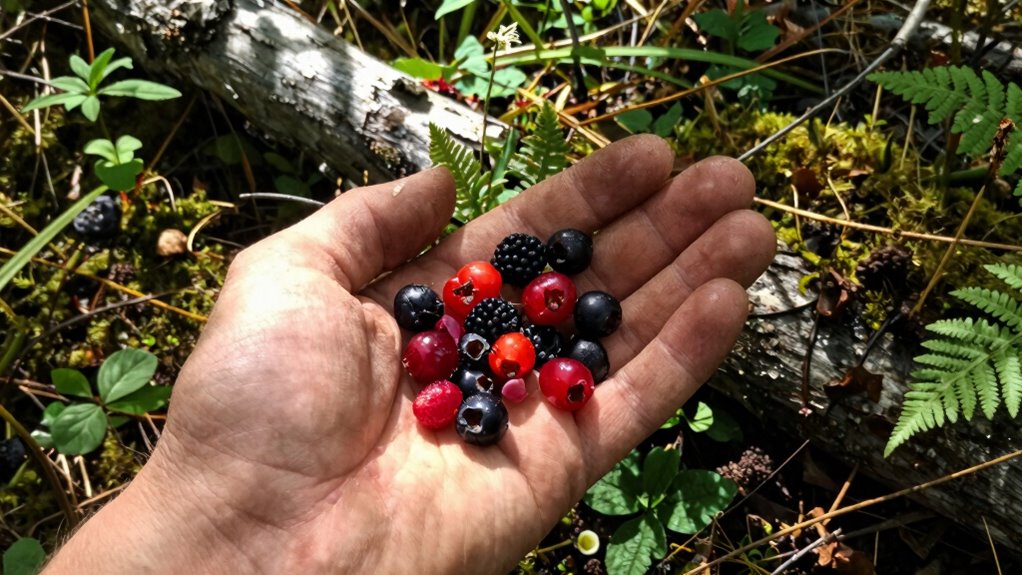
In survival situations, understanding how to identify and gather wild foods can be the difference between thriving and struggling. When you’re out in the wild, relying solely on stored supplies isn’t sustainable, so mastering foraging techniques becomes vital. These techniques involve recognizing edible plants, understanding their growth patterns, and harvesting them safely without damaging the environment. You need to learn how to distinguish between edible species and their toxic look-alikes, which often requires close observation of leaves, stems, flowers, and other plant features. Using a field guide or app can help, but your real skill lies in developing a keen eye and instinct for wild foods.
Master foraging by recognizing edible plants, understanding growth patterns, and avoiding toxic look-alikes for sustainable survival.
As you gather wild edibles, it’s essential to consider their nutritional benefits. Many wild plants are packed with vitamins, minerals, and antioxidants that can sustain you physically and boost your immune system. For example, certain wild greens provide vitamin C and iron, while roots and tubers can serve as calorie-dense energy sources. Berries and fruits often contain natural sugars and antioxidants, helping to replenish energy and reduce oxidative stress. By diversifying your foraging, you not only guarantee a more balanced diet but also reduce the risk of deficiencies. It’s important to harvest responsibly, taking only what you need and leaving enough for the plants to regenerate and for the ecosystem to remain healthy. Recognizing the importance of plant diversity in maintaining a healthy environment is crucial for sustainable foraging. Additionally, understanding the growth patterns of different wild foods can help you anticipate their availability and optimize your foraging efforts. Developing awareness of seasonal variations can further refine your ability to find wild foods when they are most abundant.
Practicing foraging techniques also involves understanding the seasonal availability of different wild foods. Some plants are only edible or abundant during specific times of the year, so timing your harvest is vital. Learning to recognize signs of ripeness, such as color, size, and smell, can help you maximize the nutritional value of what you collect. It’s equally important to do small, sustainable harvests to prevent overharvesting and to avoid damaging the plant populations. Always wash wild foods thoroughly before consumption to remove dirt, insects, or potential toxins. Additionally, understanding the role of contrast ratio in plant visibility and color development can assist in identifying ripe or edible wild foods, especially in dense environments. When foraging for wild foods, being aware of local regulations can help you avoid legal issues and promote ethical harvesting practices. Ultimately, integrating wild foods into your survival strategy means more than just collecting edible plants; it’s about developing a resilient approach to sourcing nourishment from nature. By honing your foraging techniques, understanding the nutritional benefits, and respecting the environment, you create a sustainable way to stay nourished in challenging situations. This knowledge not only boosts your chances of survival but also deepens your connection with the natural world, turning a basic survival skill into a valuable life skill.
As an affiliate, we earn on qualifying purchases.
Frequently Asked Questions
How Can I Identify Edible Wild Foods Safely?
To identify edible wild foods safely, start by learning key features and differences from toxic plants through reliable guides. Always practice foraging safety tips, like testing small amounts first and avoiding unfamiliar plants. When preparing wild food, guarantee proper wild food preparation by cleaning thoroughly and cooking if necessary. Stay cautious, consult expert resources, and never consume a plant unless you’re 100% sure it’s safe, minimizing risks in survival situations.
What Are Common Poisonous Wild Foods to Avoid?
You should avoid poisonous mushrooms and toxic plants like deadly Amanitas, hemlock, and water hemlock. Learning poisonous mushroom identification is essential—look for features like white gills, a bulbous base, or a ring around the stem. Steer clear of plants with milky sap, bitter taste, or unusual smells. Always double-check your findings with reliable guides, as misidentification can be fatal. Safe foraging depends on caution and knowledge.
How Do Wild Foods Compare Nutritionally to Store-Bought Options?
You find that wild foods often boast richer nutrients than store-bought options, especially when preserved naturally through drying or fermenting. Cooking wild edibles reveal vital vitamins and minerals, making them comparable or even superior to processed foods. While store-bought items provide convenience, exploring wild foods enhances your diet’s diversity. Embracing wild food preservation and cooking wild edibles deepens your connection to nature’s bounty, enriching your survival skills and nutritional intake.
Are There Seasonal Considerations for Foraging Wild Foods?
Yes, you should consider seasonal foraging because wild food cycles vary throughout the year. In spring, you’ll find new shoots and greens, while summer offers berries and herbs. Fall provides nuts and root vegetables, and winter may bring hardy greens and fungi. By understanding these seasonal patterns, you can maximize your foraging success and guarantee you’re harvesting sustainable, nutritious wild foods at the right times of year.
What Tools Are Essential for Wild Food Foraging?
Did you know that over 80% of wild foods are edible and nutritious? To forage safely, you’ll need a sharp knife, a woven basket or foraging bag, and a field guide for identifying plants. These tools help you gather wild food recipes efficiently while avoiding poisonous plants. Always follow foraging safety tips, like verifying plant identification and harvesting sustainably, to enjoy wild foods without risk.
Conclusion
You might think relying on wild foods is risky or too challenging, but with some basic knowledge, you can confidently incorporate them into your survival mindset. They provide essential nutrients and boost your self-reliance, making you more resilient in tough situations. Don’t let fear hold you back—learning to identify and gather wild foods is empowering and fun. Embrace the challenge, and you’ll build skills that could truly make a difference when it counts most.
Fall yard work Picks
leaf blowers
As an affiliate, we earn on qualifying purchases.