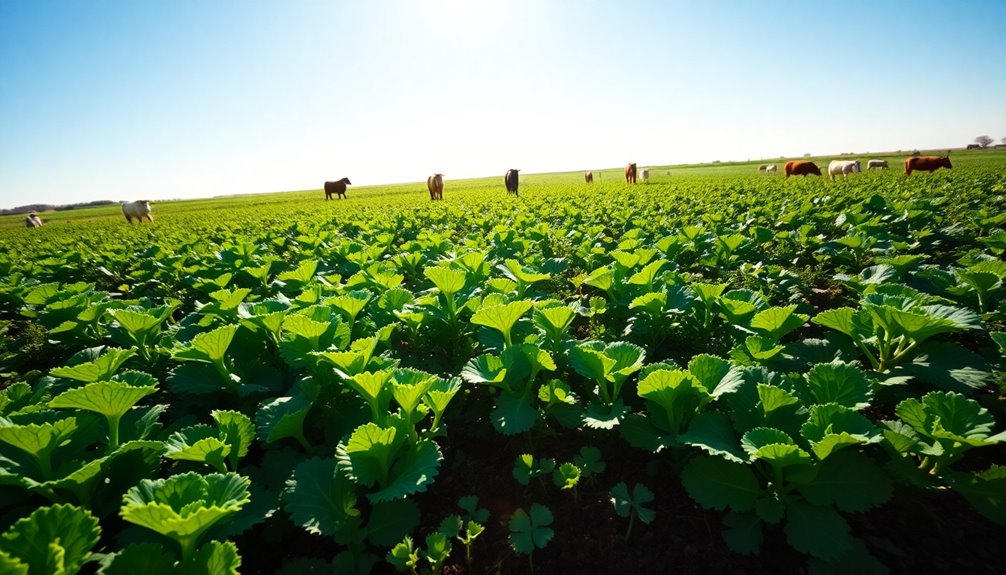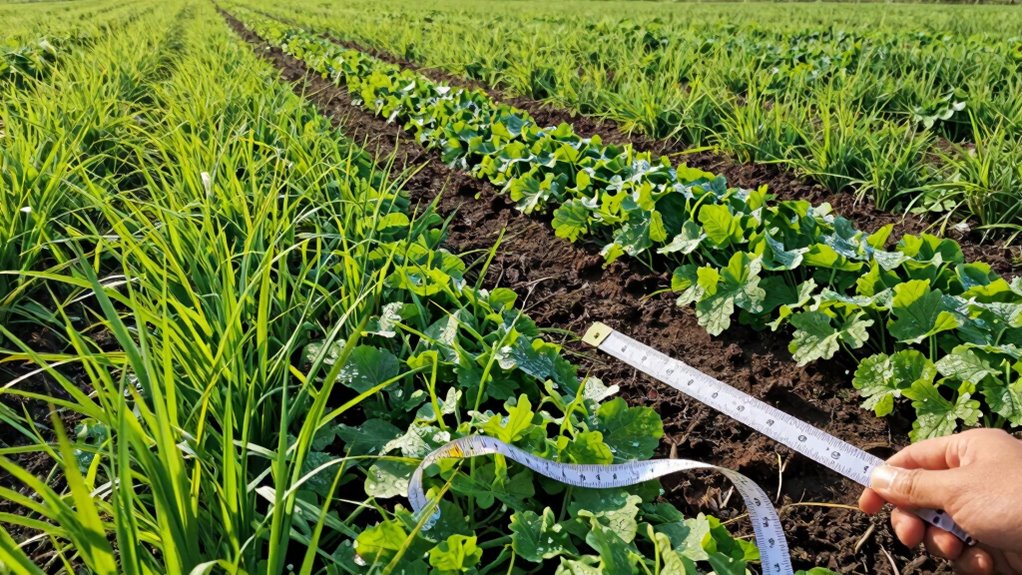
Patch size affects your harvest decisions because it influences how you plan, allocate resources, and manage pests. Larger patches require a systematic approach to maximize yield and maintain soil health, while smaller patches let you adapt quickly and target specific issues. Your choice impacts crop rotation, pest control, and harvest timing. Understanding how patch size shapes these decisions helps you optimize productivity and sustainability—if you want to discover more, there’s much to deliberate.
Key Takeaways
- Larger patches require systematic planning to optimize yield and maintain soil health during harvest.
- Smaller patches allow for targeted, intensive harvesting practices to maximize crop quality.
- Patch size influences pest management timing, affecting harvest scheduling and crop safety.
- Resource allocation during harvest varies with patch size, impacting efficiency and cost.
- Monitoring and flexible strategies in small patches enable timely harvest decisions and reduce crop loss.
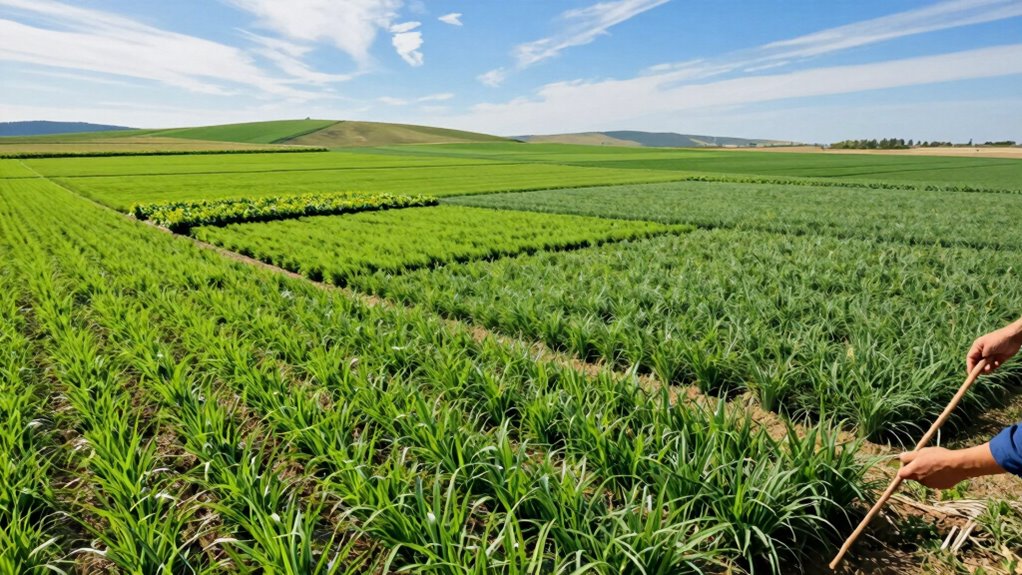
Have you ever wondered how the size of a patch influences your harvest decisions? It’s a vital factor that shapes your approach to managing your crops efficiently. When you consider patch size, you’re not just thinking about how much land you have but also how to optimize your practices like crop rotation and pest management. Larger patches often mean more complex decisions, while smaller patches can be easier to handle but might require different strategies to maximize yield and health.
If you’re working with a sizable patch, crop rotation becomes even more important. Rotating crops helps break pest and disease cycles and maintains soil fertility. With a large area, you have the advantage of diversifying your planting schedule, which can reduce pest pressure and improve pest management. You can rotate different crops across sections, preventing pests that are specific to certain plants from becoming a persistent problem. Larger patches also give you more flexibility to implement integrated pest management strategies, such as introducing beneficial insects or using targeted treatments, which are more efficient when applied across extensive areas. Additionally, understanding the ecosystem dynamics within your patch can help you develop more sustainable pest and crop management plans. Recognizing these ecological factors can guide the selection of appropriate pest control methods that work harmoniously with the environment. Moreover, considering the economic scale of your patch can influence your decisions around resource allocation and investment in pest control measures. Incorporating precision agriculture techniques can further optimize resource use and enhance overall productivity.
On the other hand, smaller patches require a more precise approach. Since your land is limited, you might focus on intensifying crop rotation within a smaller footprint to keep pests at bay and maintain soil health. You can more easily monitor and control pest populations with frequent inspections, catching issues early before they spread. Small patches also allow you to adapt your pest management tactics quickly, trying out different methods without risking large-scale crop loss. This agility can be particularly advantageous if you’re experimenting with new crop varieties or organic pest control methods.
In both cases, your harvest decisions should be influenced by patch size because it impacts how you plan your crop rotation schedule and pest management strategies. Larger patches demand a broader, more systematic approach that considers the long-term health of the entire area, while smaller patches benefit from intensive, targeted practices. The size of your patch can also influence the cost-effectiveness of your pest control methods and crop choices. The key is understanding that your patch size influences how you can implement these practices effectively, ensuring you maximize yield without compromising soil health or pest control. Recognizing the connection between patch size and your management decisions helps you create a more sustainable, productive farming system tailored to your land’s specific needs.

The Family Garden Planner: Organize Your Food-Growing Year •Helpful Worksheets •Weekly Tasks •Expert Advice
As an affiliate, we earn on qualifying purchases.
As an affiliate, we earn on qualifying purchases.
Frequently Asked Questions
How Does Patch Size Affect Pest Management Strategies?
Patch size directly impacts pest management strategies by influencing pest migration and habitat diversity. Larger patches tend to attract more pests, increasing migration risks, and offer diverse habitats that can harbor pests year-round. Smaller patches might limit pest movement and reduce habitat diversity, making targeted control easier. You should adapt your strategies based on patch size, focusing on border treatments for bigger patches and habitat management for smaller ones to effectively reduce pest populations.
What Are the Economic Implications of Varying Patch Sizes?
Small patch sizes often favor economic sustainability, allowing you to maximize profit with targeted efforts and reduced input costs. Larger patches might seem advantageous initially, but they can lead to increased expenses and resource strain. By adjusting patch size thoughtfully, you support steady profitability, balancing harvest efficiency with long-term financial health. This strategic approach helps you sustain your farm’s economic viability while optimizing harvest outcomes.
Can Small Patches Yield Comparable Harvests to Larger Patches?
Small patches can yield comparable harvests to larger ones if you focus on maintaining soil health and water retention. By optimizing practices like cover cropping and mulching, you enhance soil fertility and moisture retention, which boosts plant growth. While small patches may have limitations, proper management allows them to produce substantial yields, making them viable options for maximizing productivity without the need for extensive land.
How Does Patch Size Influence Crop Rotation Planning?
You should consider patch size when planning crop rotation because it affects crop diversity and soil health. Larger patches allow you to rotate different crops more easily, reducing pest buildup and nutrient depletion. Smaller patches might limit crop choices but enable more frequent rotations, which improves soil health. By adjusting patch size, you optimize crop diversity, sustain soil nutrients, and promote a resilient, productive system.
What Tools Are Best for Measuring Optimal Patch Size?
You should use tools like GPS mapping and soil testing kits to measure ideal patch size, as they help assess soil health and climate impact. GPS mapping allows precise delineation of patches, ensuring better management of soil nutrients and moisture. Soil testing kits reveal nutrient levels and soil conditions, guiding you to adjust patch sizes for improved crop resilience and sustainability, ultimately supporting healthier soil and reducing climate impact.

The Safe and Effective Use of Pesticides (Pesticide Application Compendium, 1)
As an affiliate, we earn on qualifying purchases.
As an affiliate, we earn on qualifying purchases.
Conclusion
Remember, choosing the right patch size can notably impact your harvest success. Studies show that larger patches often yield 30% more than smaller ones, highlighting the importance of strategic planning. By considering patch size, you can optimize your efforts and maximize your harvest. Don’t overlook this critical factor—small adjustments in patch size can lead to substantial gains. So next time you plan, think bigger when it counts, and watch your results improve dramatically.

Precision Agriculture Technology for Crop Farming
As an affiliate, we earn on qualifying purchases.
As an affiliate, we earn on qualifying purchases.
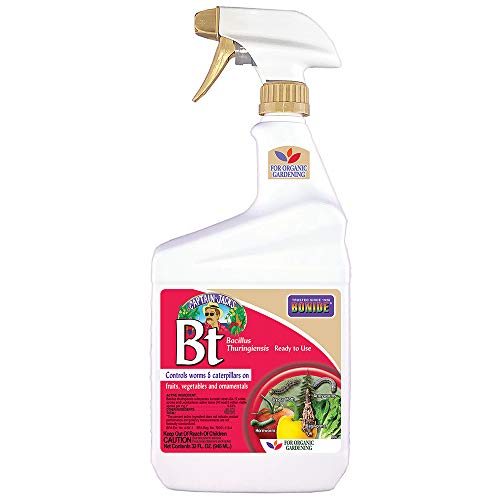
Bonide 8066 Captain Jack's Bacillus Thuringiensis BT Organic Worm & Caterpillar Control, 32 oz. Ready-to-Us – Quantity 1
Protect your oasis with Captain Jack's Bt Thuricide Ready-to-Use Spray; this product controls cabbage looper, hornworms, tent caterpillars…
As an affiliate, we earn on qualifying purchases.
As an affiliate, we earn on qualifying purchases.