TL;DR

Get garden gear delivered free with Prime
- Fast, free delivery on millions of items
- Prime Video, Amazon Music and more included
- Member-only deals all year
Gardening Know How recommends six October tasks for dahlias: manage watering, deadhead flowers, support stems, check for pests and disease, taper fertilizing, and prepare for the region-appropriate tuber routine. The guidance aims to balance continued flowering with tuber health, but the right timing for digging and storage depends on local climate.
Gardening Know How has published October care guidance advising dahlia growers to balance continued flowering with preparation for winter, using six tasks including careful watering, deadheading, staking, pest and disease checks, and reducing fertilizer. The recommendations matter because fall care can affect both the remaining blooms and the condition of tubers saved for next season; local climate determines when plants should be lifted and stored.
The report says early October is peak flowering time for many dahlias, while warm days and cool nights can support continued blooms. It recommends watering when rain has not arrived and the soil has dried, then watering deeply at soil level rather than wetting foliage. As the month progresses, growers should gradually reduce irrigation, taking rainfall and container conditions into account.
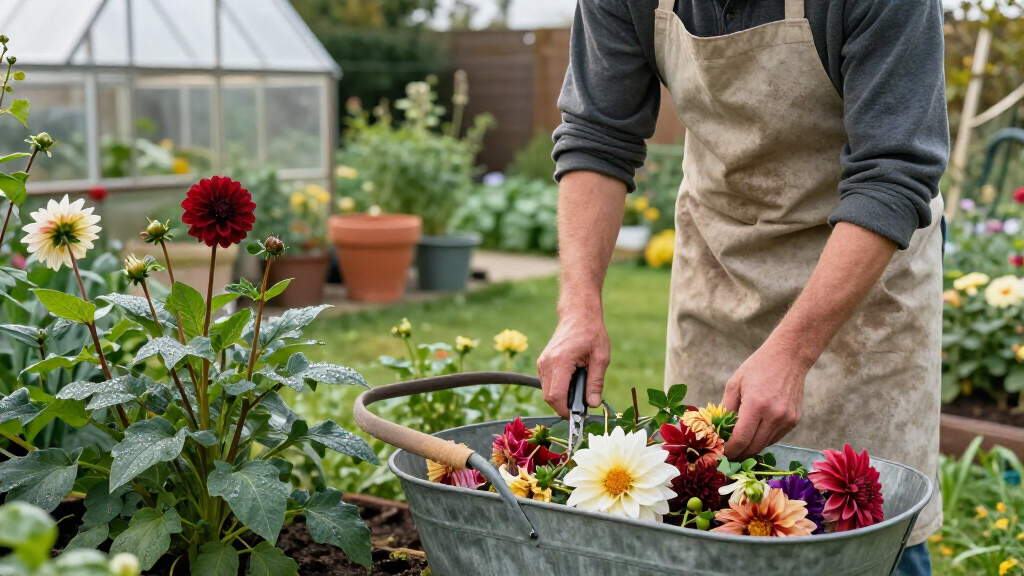
Deadheading spent flowers is advised to direct the plant away from seed production and toward further flowering. Cut faded stems back to the next branching point. The report says fresh buds tend to feel firm and spent blooms softer, which can help distinguish them. Gardeners wishing to collect seed should leave selected flowers in place. Tall or heavy-flowered plants may need stakes and soft ties; existing supports should be checked after wind or rain.
The remaining tasks are to monitor for aphids, spider mites, powdery mildew, and leaf spot; remove affected foliage rather than placing it in compost; and gradually stop fertilizing. The report cautions against late-season high-nitrogen feeds, which can encourage leafy growth. It does not provide a universal date for digging tubers: fall care and winter preparation depend on growing region and climate.
Balancing Fall Blooms and Tubers
The advice addresses two competing aims: keeping plants productive for the rest of the season and allowing tubers to prepare for storage. Excess moisture and late nitrogen feeding can work against that preparation, while neglecting support or plant health can leave stems damaged or foliage affected by disease. These are practical maintenance choices for gardeners hoping to preserve tubers and grow dahlias again next year.
The report is seasonal gardening guidance, not a guarantee of a particular number of additional blooms or successful overwintering. Results depend on local weather, soil conditions, the plants’ health, and how tubers are handled once they are ready to be lifted.
As an affiliate, we earn on qualifying purchases.
October Tasks Before Winter Storage
Dahlias are still flowering in many gardens in early October, but the same plants may soon need to be prepared for winter. The source frames the month as a period of adjustment: continue basic care while blooms remain, then ease back on watering and feeding as the season advances.
Its six-part checklist covers watering, deadheading, stem support, pest and disease monitoring, fertilizer reduction, and tuber preparation. Because the source notes that fall care varies by region, gardeners should use local frost and growing-season conditions to guide the timing of digging and storage rather than treating October as a fixed deadline.
“The best guideline is to water your dahlias if it doesn’t rain, once the soil has dried out. But then water deeply.”
— Gardening Know How
Timing Depends on Local Conditions
The report does not establish a single date for stopping all watering, lifting tubers, or beginning storage. Frost timing, rainfall, soil drainage, and growing region can change the appropriate schedule, and container-grown dahlias may need different watering decisions from those in garden beds. The source also does not quantify how many extra blooms these tasks may produce or guarantee that tubers will survive winter storage.
Its supplied excerpt begins a sixth task about tuber preparation but cuts off before giving the complete instructions. The specific lifting, drying, and storage steps therefore cannot be confirmed from the material provided.
Adjust Care as the Season Advances
For now, gardeners can follow the listed maintenance steps while monitoring local weather: remove faded flowers, secure stems, inspect foliage, and water according to soil dryness and rainfall. As October progresses, the report advises reducing irrigation and stopping routine feeding, with extra care to avoid encouraging fresh leafy growth.
The next major decision is when to prepare tubers for winter. Gardeners should base that timing on local conditions and consult region-specific guidance for lifting and storage, since the source material does not supply a complete storage schedule.
Key Questions
Should I keep watering dahlias in October?
Water when rain is absent and the soil has dried, then water deeply at soil level. Reduce the amount gradually as October advances, and account for rainfall and whether the plants are in containers.
Should I deadhead every dahlia flower?
Remove spent flowers to encourage further blooms, cutting the stem back to the next branching point. If you want to collect seed, leave some flowers in place. Fresh buds tend to feel firm, while spent blooms are softer, according to the report.
Should I fertilize dahlias late in fall?
The report recommends gradually stopping fertilizer as fall progresses and avoiding high-nitrogen feeds, which can encourage new leafy growth rather than tuber preparation.
When should I dig up dahlia tubers?
The source does not give one date for digging. It says care depends on region and climate, so use local conditions and frost timing to determine when to prepare tubers for winter storage.
Source: rss
Fall yard work Picks
leaf blowers
As an affiliate, we earn on qualifying purchases.