You should include common edible flowers like nasturtiums, pansies, violets, and calendulas in your forager’s notebook, as they’re easy to identify and safe to harvest with proper precautions. Make certain to check their habitat, avoid polluted areas, and harvest only fully open, healthy blooms. Always verify you’re picking safe varieties and follow sustainable practices. If you keep exploring, you’ll discover even more tips to guarantee your foraging is safe and successful.
Key Takeaways
- Identify edible flowers by leaf shape, flower structure, and habitat, avoiding toxic look-alikes.
- Common edible flowers include chamomile, pansies, nasturtiums, calendula, and violets.
- Harvest from pesticide-free, pollution-free areas, ensuring flowers are healthy and fully open.
- Always verify flower safety through guides or experts before foraging and consuming.
- Practice sustainable foraging by limiting quantities and respecting protected or private areas.

Edible flowers offer foragers a colorful and flavorful addition to their culinary adventures, but identifying the right varieties is vital for safety and enjoyment. When you’re venturing into wildflower identification, it’s essential to recognize which flowers are safe to eat and which could cause harm. Many common garden flowers are edible, but wildflowers often require more careful observation. You need to pay close attention to details such as leaf shape, flower structure, and habitat to avoid confusion with toxic species. Foraging without proper identification can lead to dangerous mistakes, so always double-check your sources and, if possible, consult a wildflower guide or expert. Responsible use and awareness of plant safety are crucial for a positive foraging experience.
Harvesting safety tips are paramount to guarantee you enjoy edible flowers without risking your health. First, only pick flowers from areas that are free from pesticides, pollution, or chemicals. Avoid flowers growing near busy roads, industrial sites, or areas treated with herbicides or fertilizers. When you find a flower you believe is edible, use clean tools or your hands to gently harvest it, making sure not to damage the plant. Never take more than you need; sustainable foraging not only preserves the plant but also protects the environment. Additionally, understanding the natural habitat of edible flowers helps ensure you’re picking from safe and appropriate environments. Recognizing the environmental impact of your foraging choices supports sustainable practices and preserves local ecosystems.
Additionally, be mindful of the flower’s surroundings. Confirm that the plant isn’t in a protected or private area where foraging might be prohibited. Always harvest flowers that are fully open and in good condition—avoid wilted or damaged blooms, as they may be less flavorful or carry bacteria. Wash each flower thoroughly before use to remove dirt, insects, or residues. If you’re unsure about the flower’s identity, don’t take the risk; it’s better to leave it and seek out a verified edible variety. Knowing which flowers are safe to forage can help prevent accidental poisoning and ensure a rewarding foraging experience.

Seed Needs Edible Wildflower Seed Packet Collection (7 Varieties of Flower Seed for Planting) Non-GMO Heirloom & Untreated – Includes Viola, Pansies, Chives, Borage, Calendula, Nasturtium & Bee Balm
Quality flower seeds packaged by Seed Needs. Intended for the current and the following growing season. Packets are…
As an affiliate, we earn on qualifying purchases.
As an affiliate, we earn on qualifying purchases.
Frequently Asked Questions
Are All Edible Flowers Safe for Consumption?
Not all edible flowers are safe for consumption, so you should be cautious. Some have toxic look-alikes, which can cause serious health issues if mistaken. Always research thoroughly and verify the flower’s identity before eating it. Seasonal availability can help, but remember, even edible flowers might be unsafe if they’re contaminated or misidentified. When in doubt, consult a knowledgeable forager or expert to avoid risking your health.
How Do I Identify Edible Flowers in the Wild?
You identify edible flowers in the wild by observing their habitat and blooming seasons. Look for flowers in safe wildflower habitats like meadows, woodland edges, or fields, and note their blooming times, often spring or summer. Use a reliable guidebook or app to compare shapes, colors, and leaf patterns. Always double-check with multiple sources before consuming, and avoid flowers near roads or pesticides.
Can Edible Flowers Be Used in Savory Dishes?
Absolutely, edible flowers can be the secret spice in your savory dishes. Think of them as nature’s tiny flavor bombs, adding delicate notes or bold accents. You can weave them into salads, sprinkle them over soups, or toss them into pasta for stunning culinary pairings. Their unique flavor combinations enhance your dishes, turning simple ingredients into a garden of taste sensations. Don’t hesitate—let their vibrant colors and flavors elevate your savory creations.
Are There Any Allergies Associated With Eating Edible Flowers?
Yes, edible flowers can cause allergic reactions in some people. You should watch out for toxic look-alikes, which can be mistaken for safe flowers but are harmful. Always identify flowers accurately before eating, as misidentification might lead to allergic reactions or poisoning. If you’re trying new flowers, start with a small amount and monitor for any adverse symptoms, especially if you have known allergies.
How Should I Store Harvested Edible Flowers?
To keep your harvested edible flowers fresh, you should focus on proper flower preservation and storage methods. Gently rinse the flowers with cool water, then pat them dry. Store them in an airtight container lined with paper towels, and keep them in the refrigerator’s crisper drawer. For longer preservation, consider freezing or drying the flowers. Regularly check on them to make certain they stay vibrant and free from mold or spoilage.

National Geographic Pocket Guide to Wildflowers of North America
National Geographic Ngeo Pocket Guide Wildflowers by Catherine Howell – BK26212819
As an affiliate, we earn on qualifying purchases.
As an affiliate, we earn on qualifying purchases.
Conclusion
As a forager, exploring edible flowers adds a vibrant touch to your culinary adventures. Did you know that over 50 species of wildflowers are safe to eat? Incorporating these blooms not only enhances flavors but also connects you to nature’s bounty. Keep a keen eye out in your local environment, and you’ll discover a colorful world of edible treasures waiting to be enjoyed. Happy foraging and savoring each beautiful, tasty blossom!
Seed Needs Edible Wildflower Seed Packet Collection (7 Varieties of Flower Seed for Planting) Non-GMO Heirloom & Untreated – Includes Viola, Pansies, Chives, Borage, Calendula, Nasturtium & Bee Balm
Quality flower seeds packaged by Seed Needs. Intended for the current and the following growing season. Packets are…
As an affiliate, we earn on qualifying purchases.
As an affiliate, we earn on qualifying purchases.
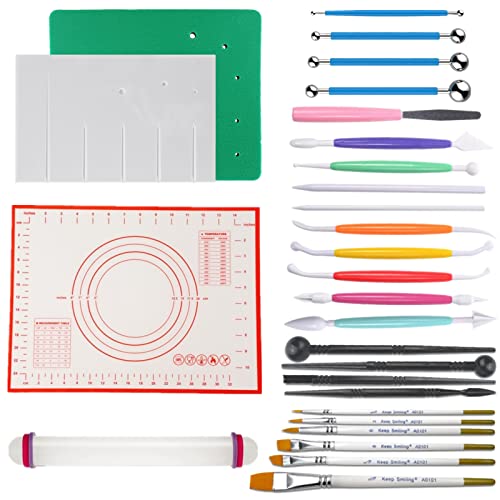
Gum Paste Flower and Leaf Tools Kit 10 Sugar Flower Modelling Tools 6 Cake Brush 4 Flower Petals Ball Tools 4 Frilling Stick 1 Fondant Flower Veining Board 1 Foam Pad 1 Silicone Mat 1 Rolling Pin
✿【Good pracctiability】:✿Gum paste tool set as assistant tools can help beginner and professional to make gumpaste flowers easier…
As an affiliate, we earn on qualifying purchases.
As an affiliate, we earn on qualifying purchases.