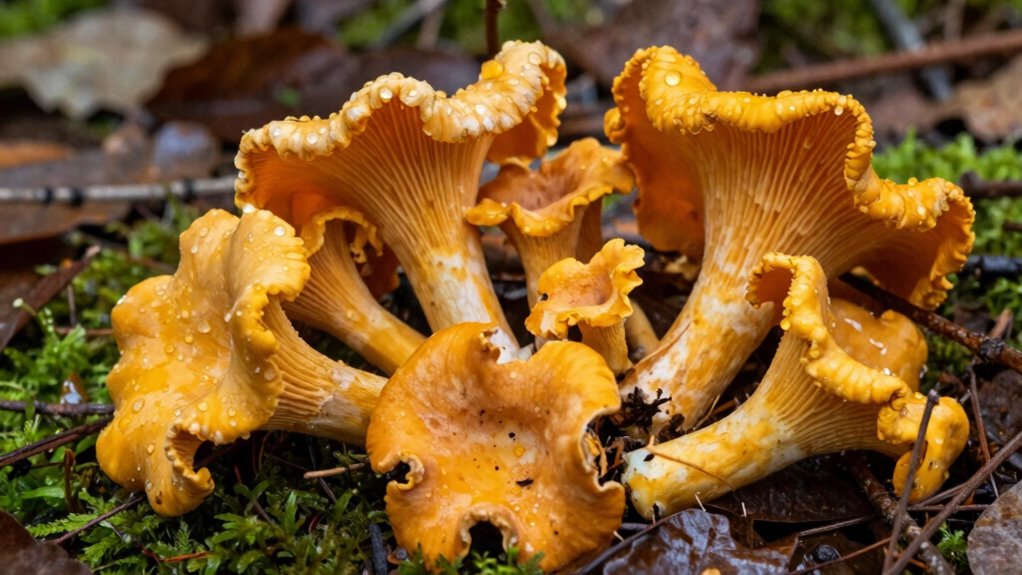

Learning to identify chanterelles carefully keeps you safe from toxic look-alikes and enhances your foraging confidence. It helps you avoid dangerous species, ensuring your harvest is both safe and enjoyable. Proper identification also boosts your culinary creativity, allowing you to fully enjoy their fruity, earthy flavors. By caring about details, you’ll develop a deeper respect for nature and responsible harvesting. Keep exploring, and you’ll discover even more ways to enjoy these wonderful mushrooms responsibly.
Key Takeaways
- Proper identification prevents poisoning by distinguishing edible chanterelles from toxic look-alikes.
- Learning to identify enhances culinary versatility and allows safe experimentation with recipes.
- Accurate recognition fosters responsible foraging and respect for the ecosystem.
- Developing identification skills increases confidence and safety during mushroom harvesting trips.
- Careful learning enriches the overall foraging experience, promoting enjoyment and mindfulness.
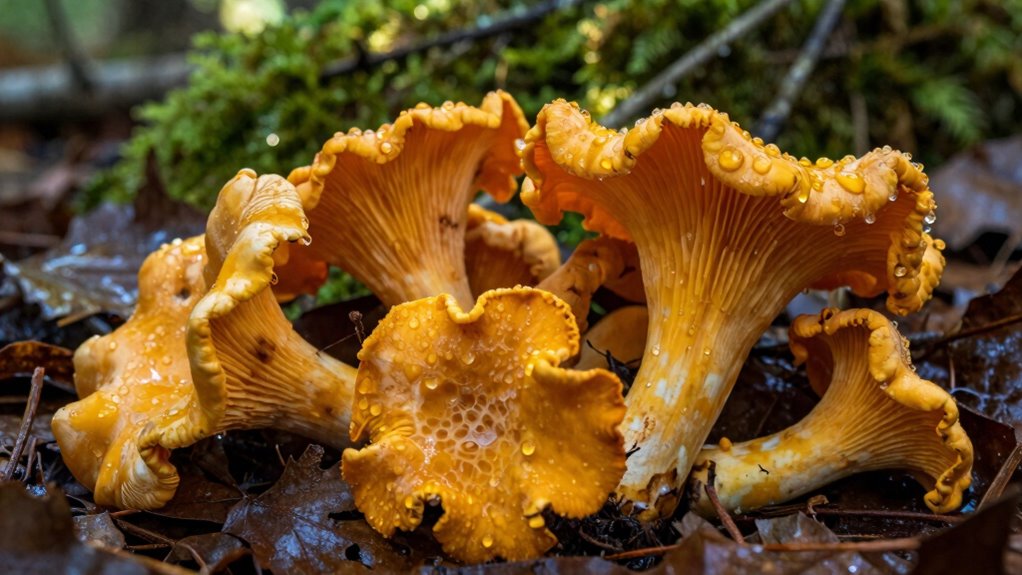
Have you ever wondered why learning to identify chanterelles carefully is so important? The answer lies in the vital balance between foraging safety and culinary versatility. Chanterelles are a highly sought-after mushroom for their rich flavor and adaptability in the kitchen, but they also have look-alikes that can be toxic or harmful if mistaken for the real deal. By honing your identification skills, you reduce the risk of accidental ingestion of dangerous species and guarantee a safe foraging experience. Foraging safety isn’t just about avoiding poisonings; it’s about respecting the landscape and understanding the delicate ecosystem from which these fungi emerge. Proper identification helps you develop a deeper connection to nature and fosters responsible foraging practices, guaranteeing you can enjoy chanterelles without harming the environment or risking your health. Developing a keen identification skill is essential for distinguishing edible species from their toxic look-alikes. Culinary versatility is another compelling reason to learn about chanterelles carefully. These mushrooms boast a flavor profile that’s often described as fruity, peppery, or mildly earthy, making them a versatile ingredient in countless dishes. When you’re confident in your identification skills, you can incorporate chanterelles into everything from simple sautés and creamy sauces to complex stews and gourmet dishes. Their texture and aroma elevate even the simplest recipes, allowing you to experiment and bring a gourmet touch to home cooking. Knowing exactly what you’re collecting means you get the full benefit of their culinary potential without hesitation or second-guessing, which can sometimes happen when you’re unsure about a mushroom’s identity.
Investing time in learning to identify chanterelles meticulously pays off in both safety and culinary satisfaction. It’s not just about avoiding risks; it’s about appreciating the richness and diversity of wild mushrooms and revealing their full potential in the kitchen. When you develop a keen eye for distinguishing chanterelles from look-alikes, you gain confidence that transforms foraging from a risky gamble into a rewarding adventure. This knowledge arms you with the skills needed to make informed choices, ensuring each harvest is both safe and delicious. Ultimately, learning to identify chanterelles carefully enriches your experience as a forager and chef, allowing you to savor these remarkable fungi with peace of mind and culinary enthusiasm.

Mushrooms: How to Identify and Gather Wild Mushrooms and Other Fungi
As an affiliate, we earn on qualifying purchases.
As an affiliate, we earn on qualifying purchases.
Frequently Asked Questions
Are Chanterelles Safe for All Dietary Restrictions?
Chanterelles are generally safe for most diets, but you should be aware of toxicity concerns and allergy considerations. If you’re allergic to certain fungi or have sensitivities, it’s best to avoid them or consult a healthcare professional. Always verify proper identification, as misidentification can lead to health issues. Cooking thoroughly helps reduce potential toxins. If you’re uncertain about your reactions, start with small amounts and monitor how your body responds.
How Do Chanterelles Compare to Other Wild Mushrooms?
Chanterelles stand out from other wild mushrooms due to their exceptional cooking versatility and rich nutritional benefits. You can sauté, roast, or add them to soups, enhancing dishes with their unique flavor. Compared to other wild varieties, they’re packed with vitamins, antioxidants, and fiber, making them a nutritious choice. Their firm texture and vibrant aroma make them a favorite among cooks, offering both health advantages and culinary flexibility.
Can Chanterelles Be Cultivated Commercially?
Chanterelles can be cultivated commercially, but it’s challenging due to their specific habitat needs. You need to understand cultivation techniques like creating the right soil conditions and controlling environmental factors. While the market demand for fresh chanterelles is high, producing them consistently requires patience and expertise. If you master these techniques, you can tap into a lucrative market, but it’s essential to be prepared for the complexities involved in their cultivation.
What Are Common Look-Alikes to Watch Out For?
You should watch out for toxic look-alikes like Jack-o’-lantern mushrooms and false chanterelles, as they can cause mushroom poisoning if mistaken for true chanterelles. These look-alikes often have similar colors and shapes but contain harmful toxins. To avoid dangerous mistakes, carefully examine the gills, stem, and scent, and always verify your identification before harvesting or consuming wild mushrooms. When in doubt, consult an expert.
How Long Do Fresh Chanterelles Stay Edible?
Fresh chanterelles typically stay edible for about 1 to 2 days when stored properly. Investigate this by testing different storage methods, like keeping them in paper bags in the fridge, which helps preserve their flavor and texture. For best results, use them within this timeframe and follow cooking tips like cleaning gently and avoiding water. Proper storage methods guarantee your chanterelles stay fresh and flavorful longer.
Conclusion
Imagine confidently picking a chanterelle in the wild, knowing exactly what to look for and avoid. If you rush or overlook details, you could mistake it for a deadly look-alike. Take Sarah’s story—she almost made a dangerous mistake but learned carefully, turning her passion into a safe, rewarding hobby. Learning diligently isn’t just about avoiding harm; it transforms foraging into a joyful, sustainable adventure. So, take your time, study up, and enjoy every delicious, safe bite.