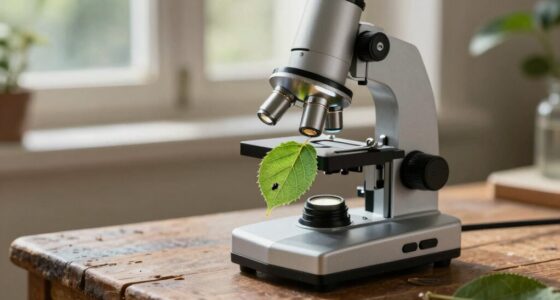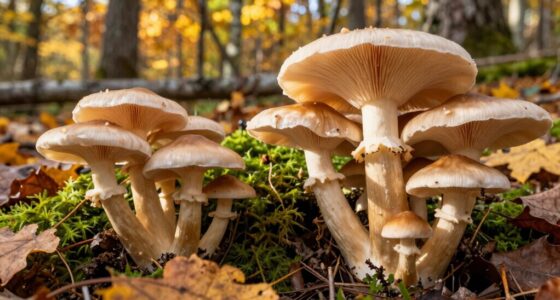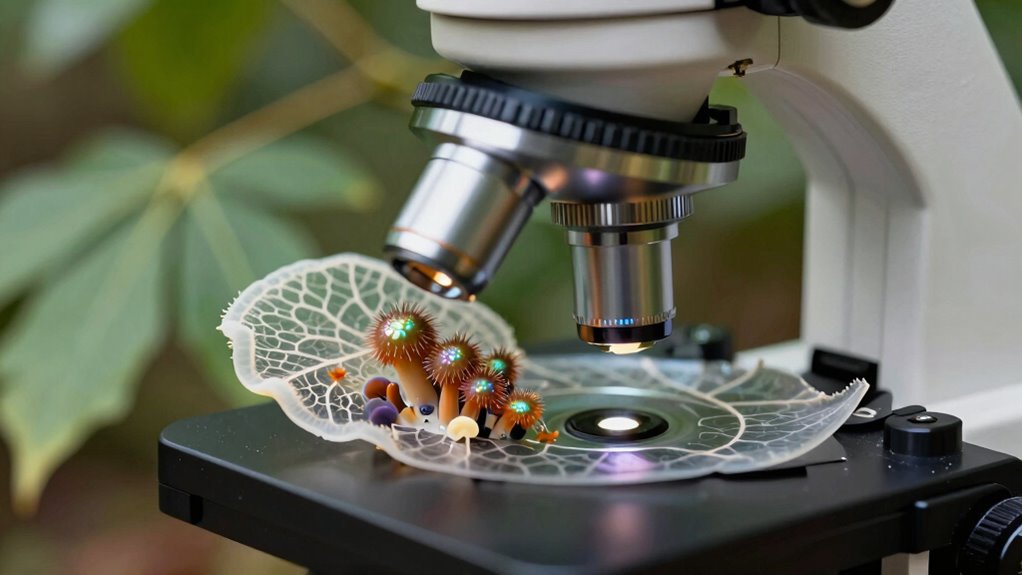

Digital microscopes are ideal for examining fungi and plant details because they offer high-resolution images that reveal tiny structures like spores, hyphae, and leaf trichomes clearly. They’re accessible for both enthusiasts and researchers, making intricate observations easier outside labs. Proper calibration and sample prep are essential for accurate results and sharp images. When you follow best practices, you’ll gain detailed insights into your samples, and there’s more to discover if you keep exploring these tools further.

Get garden gear delivered free — and shop member deals
- Fast, free delivery on millions of items
- Access to Prime Big Deal Days deals on October 6–7
- Prime Video, Amazon Music and more included
Key Takeaways
- Digital microscopes provide high-resolution images for detailed examination of fungi spores, hyphae, and plant internal structures.
- Proper calibration ensures measurement accuracy and clear visualization during fungi and plant sample analysis.
- Sample preparation techniques, like slicing and mounting, improve contrast and reveal intricate microscopic features.
- Consistent calibration and careful sample handling prevent distortions and enhance image clarity during observation.
- Accurate imaging and analysis support research, identification, and hobbyist exploration of fungi and plant structures.
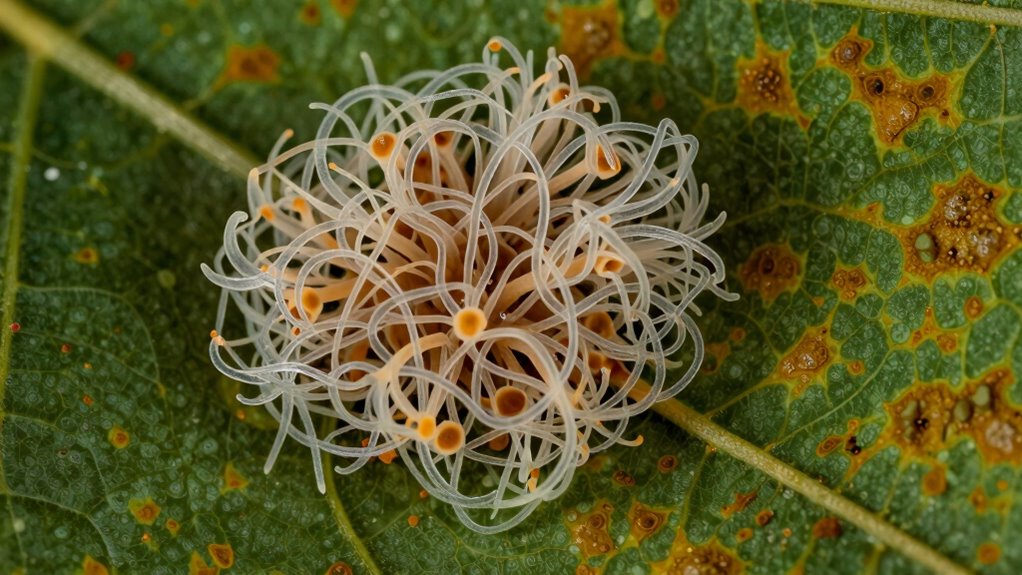
Digital microscopes have revolutionized how enthusiasts and researchers examine fungi and plant details, offering high-resolution imaging that was once only available in professional labs. With these tools, you can observe tiny structures with incredible clarity, making identification and study much more accessible. To get the most accurate images, proper microscope calibration is essential. Calibration ensures that the digital microscope’s focus, lighting, and measurement features are precise, which is critical when you’re analyzing small features like spores or leaf trichomes. Regular calibration helps avoid distortions or inaccuracies that could mislead your observations or measurements. Most digital microscopes come with built-in calibration tools or guidelines, so you can easily adjust the focus or scale before starting your detailed work.
Sample preparation plays a significant role in obtaining clear, detailed images. Before you start viewing, you need to prepare your fungi or plant samples carefully. For fungi, this might mean gently placing spores or hyphae on a clean slide, possibly adding a drop of water or mounting medium to improve visibility. When examining plants, you might need to thin or slice leaves, stems, or roots to reveal internal structures. Proper sample preparation minimizes background noise and enhances the contrast of the features you want to observe. It also prevents damage to delicate structures, ensuring you capture accurate details.
As you work with your digital microscope, keep in mind that consistent sample preparation and calibration are ongoing processes. If you change the magnification or lighting settings, it’s wise to recalibrate to maintain measurement accuracy. Using proper techniques will help you avoid blurry images or misinterpretations, especially when studying tiny spores, cell walls, or intricate leaf veins. Additionally, investing time in preparing samples correctly will save you frustration later, as clearer images lead to easier identification and analysis.
Ultimately, mastering microscope calibration and sample preparation empowers you to unlock detailed insights into fungi and plant structures. These steps might seem simple, but they are the foundation of high-quality imaging. Whether you’re a hobbyist or a researcher, paying attention to these details ensures you get the most out of your digital microscope, making your observations more reliable and your findings more precise. By keeping calibration routines consistent and preparing samples carefully, you’ll enhance both the quality and accuracy of your fungal and plant examinations.
digital microscope for fungi and plants
As an affiliate, we earn on qualifying purchases.
As an affiliate, we earn on qualifying purchases.
Frequently Asked Questions
What Is the Best Budget Digital Microscope for Beginners?
For beginners seeking an affordable digital microscope, the AmScope M150C-I is a great choice. It offers beginner-friendly features like easy focus, adjustable magnification, and a clear display, all at a budget-friendly price. You’ll find it simple to use for exploring fungi and plant details, making it ideal for those just starting out. Its affordability combined with user-friendly design makes it one of the best options for new hobbyists.
How Do Digital Microscopes Compare to Traditional Optical Microscopes?
Digital microscopes offer vibrant digital resolution and instant image sharing, making details pop with bright, sharp clarity. You see fungi spores or leaf veins in stunning detail, right on your screen. Traditional optical microscopes excel in optical clarity and depth perception, but require eyepiece viewing and manual adjustments. With digital scopes, you enjoy a more accessible, user-friendly experience, perfect for capturing images and analyzing fungi or plant structures effortlessly.
Can Digital Microscopes Be Used Outdoors in Natural Environments?
Yes, you can use digital microscopes outdoors for natural habitat observation and outdoor exploration. They’re portable and easy to handle in various environments, letting you examine fungi, plants, and tiny creatures directly in their natural settings. Just guarantee you protect the device from moisture, dust, and direct sunlight to maintain its functionality. With proper care, digital microscopes make outdoor exploration more detailed and engaging.
What Software Options Are Available for Image Analysis and Editing?
You have several software options for image analysis and editing, like ImageJ, Adobe Photoshop, and Lumina. These tools help with image enhancement, allowing you to improve clarity and detail. They also assist with data management, organizing your images efficiently. Whether you’re refining fungi or plant images or analyzing microscopic details, these programs give you the features needed to process, edit, and store your data effectively.
Are Digital Microscopes Suitable for Educational Classroom Use?
Digital microscopes are perfect for classroom use, especially when you want to enhance interactive lessons or virtual field trips. Imagine students exploring tiny fungi or plant structures firsthand, sharing live images on a big screen. These microscopes make learning engaging, allowing students to observe details up close, ask questions, and participate actively. They’re excellent tools for making science exciting and accessible, fostering curiosity and deeper understanding in educational settings.
Conclusion
With a digital microscope in your hands, you’re not just exploring fungi and plant details—you’re revealing secrets so tiny, they’d make a microscopic universe look like a vast cosmos. Every tiny spore and delicate leaf vein becomes a breathtaking landscape, revealing wonders that leave you awe-struck. Get ready to zoom into a world so astonishingly intricate, it’ll feel like holding the secrets of nature itself—imagine the possibilities exploding right before your eyes!
Fall yard work Picks
leaf blowers
As an affiliate, we earn on qualifying purchases.