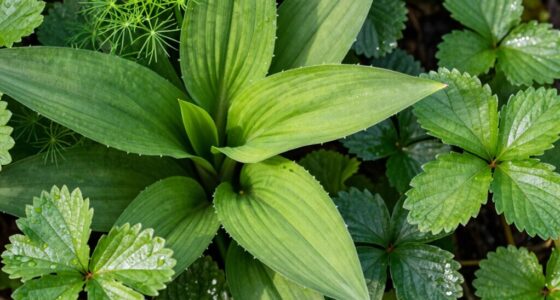
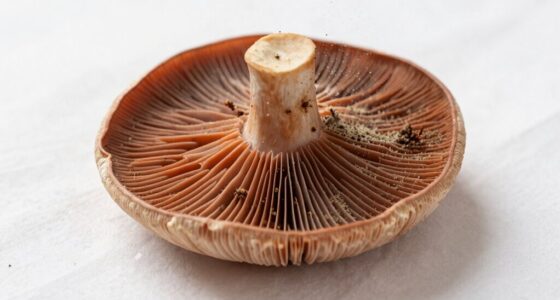
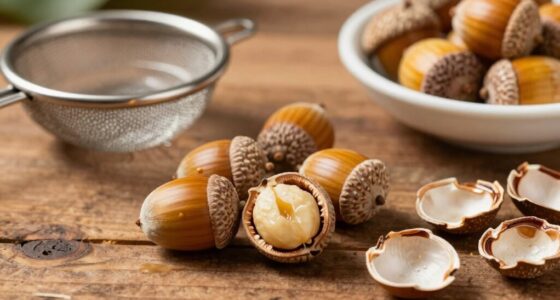
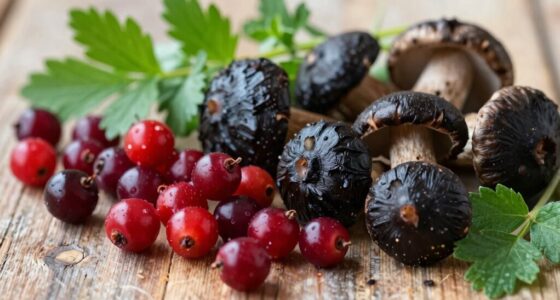
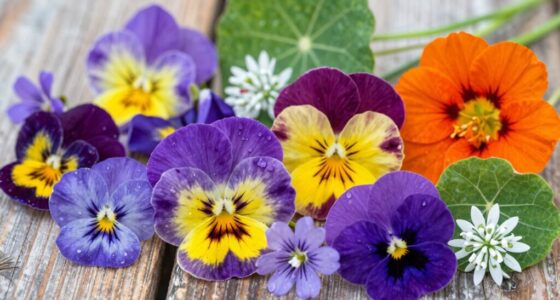
Common Edible Flowers That Belong in a Forager’s Notebook

An exploration of common edible flowers that belong in a forager’s notebook, offering essential tips to ensure safe and successful harvesting—discover what you need to know.

The Edible Trees Most People Overlook

Unlock the secrets of overlooked edible trees around you and discover how to safely identify their hidden, nutritious treasures.

Wild Berries That Are Easier to Identify Than You Think

The wild berries that are easier to identify than you think can be found quickly once you recognize their simple traits—discover how to spot them safely.

Reading Weather Signs: When Not to Forage

Before foraging, recognize key weather signs that signal danger, ensuring your safety and preventing risky outdoor adventures—continue reading to learn more.

Safe Mushroom Foraging With Children: Teaching Caution

Unlock safe mushroom foraging with children by teaching crucial caution tips—discover how to keep your family safe while exploring the wild.

Foraging Matsutake: Distinct Aroma & Pine Habitat

Gaining success in matsutake foraging relies on recognizing their unique aroma and pine habitat, but uncovering all the secrets will enhance your adventure.

Foraging During Drought: When to Pause

By understanding key signs, you can determine when to pause foraging during droughts to protect resources and ensure sustainability.

Blewits (Lepista): Lilac Hues and Spore Prints

Keen foraging insights into Blewits (Lepista), discover how their vibrant hues and spore prints can help you identify them safely.

Lobster Mushroom: Parasitized Russulas Explained

The fascinating transformation of russula mushrooms into vibrant lobster mushrooms reveals a unique parasitic relationship that every forager should understand.

Shaggy Mane: Inky Caps and Proper Handling

Properly handling shaggy mane mushrooms ensures safety and flavor; discover essential harvesting and storage tips to enjoy this delicacy at its best.